

- By kelly
- September 22, 2025
- Logistics Guide
Rail Freight China to Europe: Cost, Transit Time, and Logistics Guide
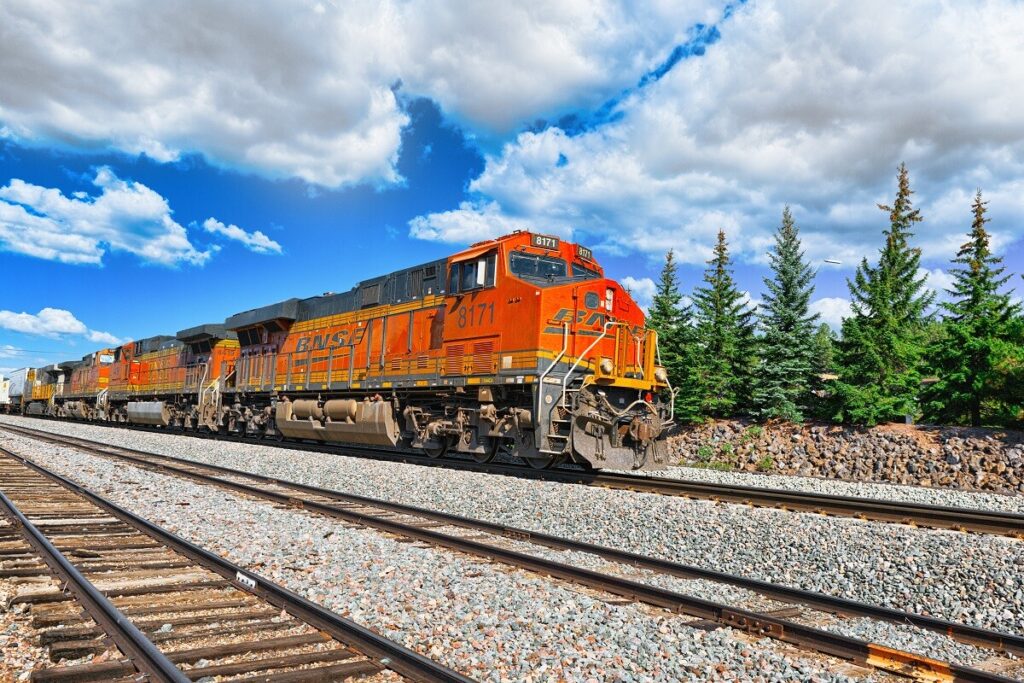
Rail freight China to Europe has emerged as a vital solution for businesses seeking faster delivery than ocean shipping while maintaining cost efficiency compared to air freight. With global supply chains under pressure, companies face challenges such as unpredictable transit times, customs delays, and fluctuating shipping costs. This guide provides actionable insights into rail freight, helping importers and exporters optimize their logistics and make informed shipping decisions.
What Is Rail Freight China to Europe?
Rail freight China to Europe involves transporting goods via railway networks connecting major Chinese cities to European hubs. Moreover, it leverages the Belt and Road Initiative (BRI) routes, offering a balance between cost, speed, and reliability. Compared with ocean freight, rail shipping reduces transit time significantly, often cutting shipping duration by 40–50%.
| Feature | Details | Notes |
|---|---|---|
| Average Transit Time | 12–20 days | Faster than sea freight, slower than air freight |
| Cost | $4,000–$8,000 per 40ft container | Generally 30–50% cheaper than air freight |
| Cargo Types | Electronics, machinery, textiles | Standard containers used |
| Routes | China to Germany, Poland, UK, Spain | Main hubs: Duisburg, Warsaw, Madrid |
How Much Does Rail Freight from China to Europe Cost?
Rail freight costs fluctuate depending on container size, cargo type, route, and season. FCL (Full Container Load) and LCL (Less than Container Load) options exist, with FCL being more economical for larger shipments.
| Container Type | Average Cost | Transit Time | Best For |
|---|---|---|---|
| FCL 20ft | $4,000–$5,500 | 12–18 days | Medium-sized shipments |
| FCL 40ft | $6,500–$8,000 | 15–20 days | Large shipments |
| LCL | $200–$350 per CBM | 15–22 days | Small shipments |
Why Choose Rail Freight Over Ocean or Air Freight?
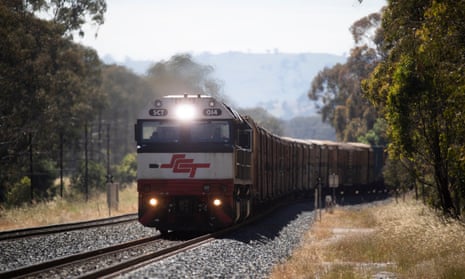
Rail freight offers a unique balance of speed, cost, and reliability. While ocean shipping is cheaper, it is significantly slower. Conversely, air freight is fast but expensive and limited by cargo weight. Rail freight is ideal for time-sensitive, medium-to-large shipments.
What Routes Are Available for Rail Freight China to Europe?
Several established routes connect China with Europe, passing through Central Asia and Eastern Europe.
| Route | Main Cities | Transit Time | Notes |
|---|---|---|---|
| Northern Route | Xi’an → Moscow → Duisburg | 15–18 days | Most used for electronics |
| Central Route | Chengdu → Almaty → Warsaw | 17–20 days | Ideal for machinery |
| Southern Route | Chongqing → Istanbul → Europe | 18–22 days | Suitable for textile and consumer goods |
What Documents Are Required for Rail Freight?
Proper documentation ensures smooth customs clearance across multiple countries.
| Document | Purpose |
|---|---|
| Bill of Lading | Proof of shipment and contract |
| Commercial Invoice | Declares cargo value for customs |
| Packing List | Details quantity, dimensions, and weight |
| Certificate of Origin | Confirms manufacturing country |
| Transit Customs Declaration | Required for multi-country transit |
| Import License (if needed) | Legal clearance at destination |
Can Rail Freight Reduce Supply Chain Risks?
Yes, rail freight offers more predictable schedules than ocean shipping, lowering risks related to port congestion or weather delays. Moreover, modern tracking technologies enable real-time monitoring of containers, which further reduces uncertainty.
| Risk Factor | Rail Freight Mitigation | Notes |
|---|---|---|
| Port congestion | Avoids busiest sea ports | Faster customs in some inland terminals |
| Transit delays | Fixed railway schedules | Less affected by storms |
| Theft or damage | Enclosed containers, fewer handling points | More secure than sea in some regions |
How Long Is Transit Time for Rail Freight China to Europe?
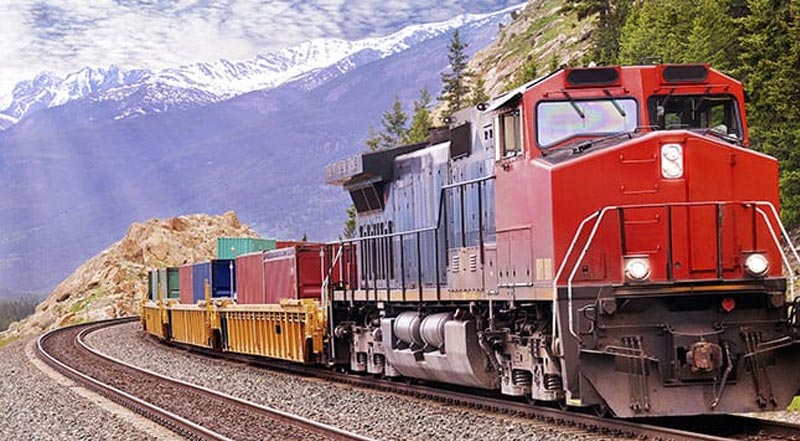
Transit time depends on the route and final destination. Compared with ocean shipping, rail freight is faster, yet slower than air. Additionally, seasonal delays or customs inspections can add a few days.
| Destination | Transit Time | Notes |
|---|---|---|
| Germany | 12–16 days | Duisburg hub, frequent departures |
| Poland | 13–18 days | Warsaw hub, ideal for industrial goods |
| Spain | 18–22 days | Slower due to southern route |
| UK | 15–20 days | Includes cross-channel transport |
How Can Businesses Optimize Rail Freight from China to Europe?
- Book early to secure space and rates.
- Consolidate shipments for better container utilization.
- Choose strategic hubs to reduce last-mile costs.
- Leverage digital tracking to minimize delays.
- Negotiate multi-year contracts for predictable costs.
📦Get a Free Quote
Rail freight China to Europe is an efficient and cost-effective solution, bridging the gap between air and sea freight. Working with an experienced freight forwarder ensures optimal transit schedules, transparent shipping costs, and hassle-free customs clearance. Contact us today to get a tailored quote and streamline your logistics.
❓ Frequently Asked Questions
1. What is the main advantage of rail freight China to Europe?
Rail freight combines speed, affordability, and reliability, making it ideal for time-sensitive medium-to-large shipments.
2. How long does rail freight from China to Germany take?
Typically, 12–16 days, depending on the route, customs clearance, and scheduling efficiency.
3. Is rail freight cheaper than air shipping?
Yes, it is generally 30–50% less expensive than air freight while offering faster transit than sea shipping.
4. What documents are required for customs clearance?
Bill of Lading, commercial invoice, packing list, certificate of origin, and any necessary import licenses.
5. Can rail freight handle hazardous or sensitive cargo?
Yes, but special permits and container types may be required for hazardous materials or sensitive electronics.
Conclusion
Rail freight China to Europe is an increasingly popular solution for businesses balancing speed and cost. With optimized routes, transparent pricing, and reliable schedules, it offers a middle ground between ocean and air shipping. By understanding transit times, customs requirements, and supply chain trends, companies can improve efficiency and reduce shipping risks. Explore rail freight today to enhance your logistics strategy.