

- By carlie tj
- September 22, 2025
- Logistics Guide
For businesses trading with Africa, choosing a trusted freight forwarder from China to Nigeria ensures affordable shipping, efficient customs clearance, and reliable delivery schedules. Partnering with China Top Freight allows importers to secure competitive rates, reduce delays, and optimize their supply chain while focusing on business growth.
1. Why Should You Work with a Freight Forwarder from China to Nigeria?
Shipping internationally is complex. Without expertise, importers often face hidden fees, late deliveries, and customs penalties. A freight forwarder helps:
- Manage customs documentation accurately
- Provide multiple shipping solutions tailored to needs
- Negotiate lower freight rates with carriers
- Offer real-time cargo tracking and updates
- Handle door-to-door delivery services
This support reduces risk and ensures cargo reaches Nigeria efficiently.
2. What Shipping Methods Are Available from China to Nigeria?
Freight forwarders provide multiple shipping modes depending on urgency, cargo size, and cost:
| Shipping Method | Transit Time | Cost | Best For | Pros | Cons |
|---|---|---|---|---|---|
| Air Freight | 5–10 days | High | Urgent or high-value cargo | Fast, secure | Expensive |
| Sea Freight (FCL/LCL) | 30–45 days | Low | Bulk shipments | Cost-effective, high volume | Slower, port congestion |
| Express Courier (DHL/UPS/FedEx) | 3–7 days | Very High | Samples, small parcels | Fastest, door-to-door | Very costly |
| Road Freight (via neighboring hubs) | Varies | Medium | Regional trade | Flexible, inland access | Border delays possible |
Each method comes with trade-offs; forwarders advise on the most efficient option.
3.What Are the Benefits of a Freight Forwarder from China to Nigeria?
Benefits include:
- Competitive freight rates through bulk carrier agreements
- Compliance with Nigerian import regulations
- Flexible shipping solutions (air, sea, courier)
- Reduced risk via cargo insurance
- Real-time shipment updates
- Streamlined supply chain efficiency
These services simplify logistics and reduce stress for importers.
4.What Challenges Arise Without a Freight Forwarder?
Importers shipping alone may face:
- Higher freight rates without discounts
- Customs delays due to missing documents
- Increased cargo risk during transit
- Poor tracking and supply chain visibility
- Late deliveries that disrupt sales
A professional forwarder prevents these issues and ensures reliable shipping.
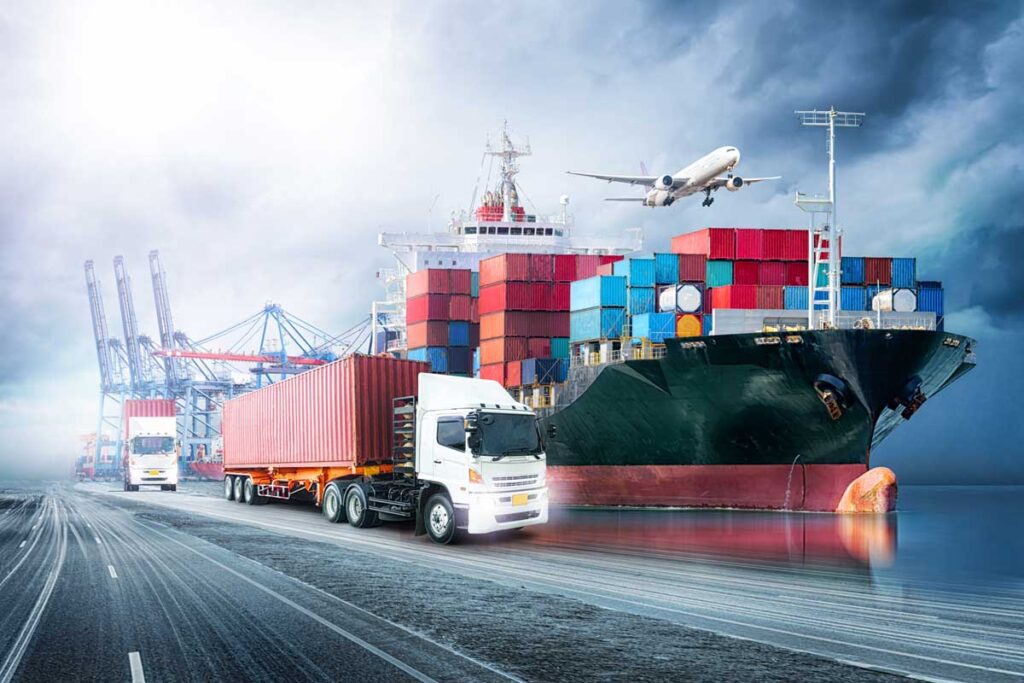
5. Should Businesses Choose Air or Sea Freight to Nigeria?
Comparison:
| Factor | Air Freight | Sea Freight |
|---|---|---|
| Speed | 5–10 days | 30–45 days |
| Cost | High | Low |
| Cargo Type | Urgent, high-value | Bulk, heavy loads |
| Reliability | Very high | Risk of port congestion |
Air freight suits urgent shipments, while sea freight is ideal for large, cost-sensitive cargo.
6.How to Select the Best Freight Forwarder from China to Nigeria?
When choosing a logistics partner, consider:
- Experience with Nigerian customs and trade laws
- Transparent, competitive pricing
- Ability to handle multimodal shipping
- Proven client reviews and track record
- Flexibility for special cargo needs
A reliable forwarder ensures efficient, compliant, and cost-effective imports.
Secure your supply chain today with a trusted freight forwarder from China to Nigeria. Contact a professional logistics partner to request a quote, reduce costs, and guarantee smooth customs clearance.
7.Conclusion
A professional freight forwarder from China to Nigeria helps businesses reduce costs, avoid customs issues, and ensure timely delivery. With multimodal shipping options, customs compliance expertise, and real-time tracking, forwarders simplify the import process and strengthen supply chain efficiency. Partnering with an experienced provider guarantees secure and cost-effective shipping solutions.
8. Request a Quote
China Top Freight offers:
- ✅ Origin and Destination Countries
- ✅ Cargo Type and Volume
- ✅ Preferred Transport Method (Air, Sea, Rail, Road)
- ✅ Delivery Timeline
- ✅ Special Handling Requirements (if any)
9. FAQ
1. How can I get the cheapest shipping option from China to Nigeria?
Opting for sea freight and consolidating shipments through LCL reduces costs while ensuring reliable delivery schedules.
2. Which Nigerian ports handle cargo from China?
Lagos, Tin Can Island, and Port Harcourt are the main ports for imports, handling containerized and bulk shipments efficiently.
3. What is Form M in Nigeria’s import process?
Form M is a mandatory import document required by Nigerian Customs, ensuring regulatory compliance before goods enter the country.
4. How do I avoid customs delays when importing to Nigeria?
Accurate documentation, pre-approved Form M, and SONCAP certification help avoid costly customs delays.
5. Can small businesses use freight forwarders for Nigeria imports?
Yes, forwarders offer LCL shipping, making logistics affordable for SMEs with small volumes.