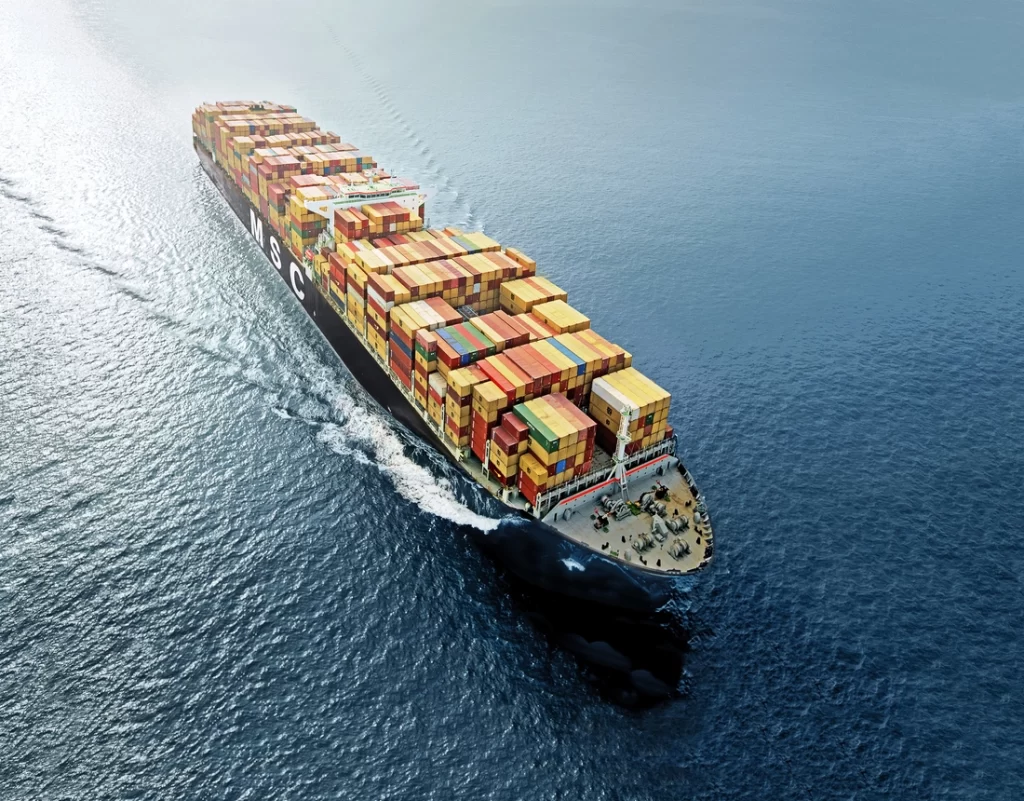
When importing goods, businesses often face uncertainty about sea freight from China to UK. With multiple shipping routes, customs procedures, and transit times, planning becomes complex. However, working with reliable Chinese freight forwarders offering sea, air, and rail freight ensures smoother supply chains and competitive pricing.
1. What Is the Average Sea Freight Time from China to UK?
The average sea freight from China to UK typically takes 30–45 days, depending on port pairs, carrier schedules, and customs clearance.
Shipment Type
Mode
Estimated Cost
Small parcel (1–5 kg)
Courier
$10–$14 per kg
100–300 kg cargo
Air Freight
$5–$7 per kg
1 CBM LCL
Sea Freight
$80–$100
20ft container
Sea Freight
$2,200–$2,800
40ft container
Sea Freight
$3,900–$4,600
2. Why Choose Sea Freight Over Air Freight?
Sea freight remains the most cost-effective solution for bulk shipments. Although slower than air, it handles high volumes and reduces per-unit costs significantly.
Mode
Transit Time
Cost
Pros
Cons
Sea Freight
30–45 days
Lowest
Cost-effective, large volumes
Slow transit
Air Freight
5–9 days
High
Fast, reliable
Expensive
Rail Freight (via Europe)
18–25 days
Moderate
Balance of speed & cost
Limited routes
3. How Do FCL and LCL Impact Shipping?
Full Container Load (FCL): Ideal for larger shipments, faster handling, and lower cost per unit.
Less than Container Load (LCL): Cheaper for small loads but slower due to consolidation.
Mode
Transit Time
Cost
Best For
FCL
30–40 days
Higher total, lower per unit
Bulk goods
LCL
35–45 days
Lower upfront, higher per unit
Small/medium loads
4. What Are the Typical Sea Freight Costs?
Freight rates fluctuate with fuel prices, carrier capacity, and seasonality. On average:
6. What Documents Are Required for Customs Clearance?
Efficient clearance avoids delays. Importers should prepare:
Document
Purpose
Bill of Lading
Proof of shipment
Commercial Invoice
Customs declaration
Packing List
Cargo details
Certificate of Origin
Confirms product source
Import Declaration (UK)
Required for HMRC
7. How Do Peak Seasons Affect Sea Freight?
Before Chinese New Year, Golden Week, and the Christmas season, freight rates rise and port congestion worsens. Planning shipments at least two months early reduces risk.
Mode
Transit Time
Notes
Sea Freight
18–28 days
Best for bulk
Air Freight
5–9 days
Fast, reliable
Courier
3–6 days
Ideal for small parcels
8. Should You Consider Multimodal Transport?
Yes. Combining sea with rail or trucking ensures quicker inland delivery. For example:
Sea + Rail: China → Europe rail, then UK trucking.
Sea + Air: Faster than ocean alone, cheaper than pure air freight.
9. What Are the Pros and Cons of Sea Freight from China to UK?
Factor
Advantage
Limitation
Cost
Cheapest per unit
Rate fluctuations
Capacity
Large cargo
Slower handling
Flexibility
Multiple ports
Weather delays
Sustainability
Lower emissions
Longer time
10. How Can Freight Forwarders Simplify Shipping?
Reliable freight forwarders:
Negotiate competitive contracts with carriers.
Offer door-to-door delivery solutions.
Manage customs clearance and documentation.
Provide tracking and insurance services.
11. Tips to Reduce Sea Freight Delays
Book early during peak season.
Choose FCL to avoid consolidation delays.
Use experienced freight forwarders for customs.
Select less congested UK ports when possible.
Final Thoughts
The sea freight from China to UK journey typically takes 30–45 days and offers the most cost-effective method for bulk shipments. While slower than air freight, sea transport supports higher volumes and lower costs per unit. With proactive planning, early bookings, and professional freight forwarder support, businesses can minimize delays and maximize supply chain efficiency.
Q1: Which UK port is cheapest for importing from China?
Felixstowe usually offers the best balance of costs and services, but rates may vary depending on carrier contracts and inland transport needs.
Q2: How far in advance should I book sea freight?
Booking 3–5 weeks before departure is ideal to secure space and reduce surcharges, especially during peak seasons like pre-Christmas or Chinese New Year.
Q3: Can I ship hazardous goods via sea freight?
Yes, but dangerous goods require special packaging, documentation, and approval from carriers. Compliance with international shipping regulations is strictly necessary.
Q4: What Incoterms are common for UK imports?
FOB (Free on Board) and CIF (Cost, Insurance, Freight) are most common, while DDP (Delivered Duty Paid) offers convenience as sellers handle duties and delivery.
Q5: Do tariffs affect sea freight shipping times?
Tariffs don’t directly change sailing time but customs checks linked to tariff changes may extend clearance times, adding days to total delivery.