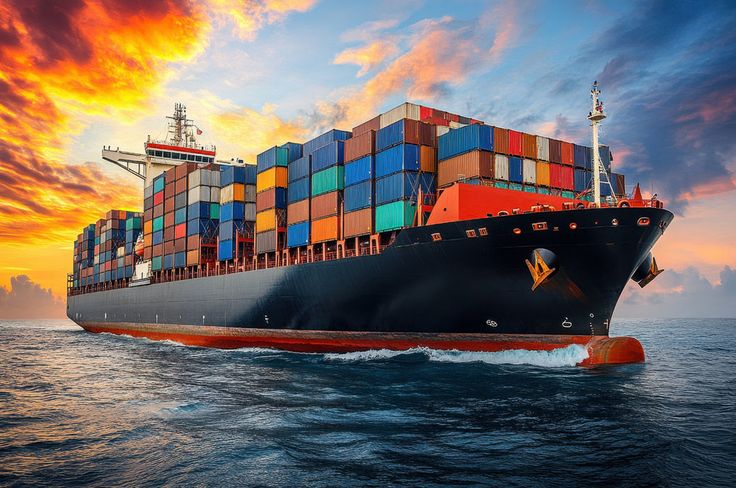
Managing shipping freight from China to US is crucial for businesses importing electronics, textiles, furniture, or machinery. However, many face delays, high costs, or customs issues. By working with reliable Chinese freight forwarders offering sea freight, air freight, rail freight, and express courier services, importers can streamline logistics, reduce expenses, and meet delivery schedules.

1. What Is the Average Shipping Time from China to the US?

shipping freight from china to us

Transit times vary by method:

ModeTransit TimeNotes
Sea Freight20–40 daysMost economical for large volumes
Air Freight3–7 daysBest for urgent goods
Rail Freight (via Europe to US)25–35 daysLimited use, niche option
Express Courier2–5 daysSmall packages only

2. Why Choose Sea Freight for Bulk Shipping?

Sea freight is the most cost-effective way for containerized goods. Although slower, it handles high volumes, offers flexible capacity, and reduces per-unit shipping costs.

3. How Much Does Shipping Freight from China to US Cost?

Costs depend on container type, weight, and method.

Container/ServiceAverage Cost (USD)Notes
20ft FCL$1,800 – $3,000Up to 28 cbm
40ft FCL$3,200 – $5,500Ideal for bulk
LCL$50 – $70 per cbmFor smaller loads
Air Freight$5 – $12 per kgFast but costly
Courier (DHL/UPS/FedEx)$8 – $15 per kgSmall parcels

What are you waiting for?

Contact TJ China Freight for a fast, free quote.

  Are you ready to book?

    Access live instant freight quotes

4. How Do FCL and LCL Affect Shipping?

  • FCL (Full Container Load): Faster, cheaper per unit, ideal for high volumes.
  • LCL (Less than Container Load): Lower upfront cost, but slower due to consolidation.
ModeBest ForAdvantageDisadvantage
FCLLarge ordersLower per-unit costHigher upfront
LCLSmall ordersFlexible & affordableLonger handling

5. Which US Ports Receive the Most Freight from China?

Key destinations include:

  • Los Angeles & Long Beach: Fastest West Coast entry points.
  • Oakland: Preferred for northern California.
  • Houston: Strategic for southern US.
  • New York/New Jersey: Gateway to East Coast markets.
  • Savannah: Growing hub for southeastern imports.

6. What Documents Are Required for Customs Clearance?

china to australia freight

Efficient customs processing avoids costly delays.

DocumentPurpose
Bill of LadingProof of shipment
Commercial InvoiceDeclares product value
Packing ListItemized cargo details
ISF FilingRequired for US imports
Certificate of OriginConfirms source country

7. Do Seasons Affect Shipping Freight from China to US?

Yes. Rates and transit times increase during Chinese New Year, Golden Week, and Black Friday/Christmas seasons. Booking 4–6 weeks in advance is recommended.

8. How Does Air Freight Compare with Sea Freight?

FactorSea FreightAir Freight
Transit Time20–40 days3–7 days
CostLowHigh
Cargo TypeBulky, heavyLight, urgent
ReliabilityWeather/port delaysVery reliable

9. Should You Consider Multimodal Shipping?

Yes. Combining modes improves flexibility:

  • Sea + Air: Faster than sea alone, cheaper than pure air.
  • Sea + Rail: China–Europe rail, then US shipment.
  • Door-to-Door courier: For small orders with customs included.

10. How Can a Freight Forwarder Help?

Freight forwarders provide:

  • Negotiated rates with major carriers.
  • Customs clearance expertise.
  • Real-time shipment tracking.
  • Flexible options like DDP (Delivered Duty Paid) and Amazon FBA delivery.

11. Tips to Reduce Freight Delays

  • Choose FCL for large shipments.
  • Avoid peak season congestion.
  • Work with experienced forwarders.
  • Select less congested ports when possible.
  • Ensure accurate customs documentation.

Final Thoughts

The process of shipping freight from China to US involves balancing speed, cost, and reliability. Sea freight offers the most affordable solution for bulk goods, while air freight ensures urgent deliveries. Moreover, customs compliance, forwarder expertise, and early booking are vital for smooth logistics. With the right partner, importers can optimize supply chains, reduce costs, and ensure timely delivery.


FAQ

Q1: Which shipping method is best for small businesses?

LCL sea freight or courier services are ideal for small businesses, as they offer lower upfront costs and manageable shipment volumes.

Yes, but special documentation and carrier approval are required. Compliance with IMDG Code and US hazardous materials regulations is essential.

Incoterms like FOB, CIF, and DDP define responsibilities for costs, customs, and delivery, impacting overall freight costs and timelines.

Yes. Terminal handling, port surcharges, customs inspection, and demurrage fees may apply. Working with a transparent forwarder prevents surprises.

Yes. Many freight forwarders specialize in FBA shipments, handling labeling, customs, and delivery directly to Amazon fulfillment centers.

Post a Comment