

- By kelly
- September 22, 2025
- Logistics Guide
Sea Freight from China to England: Complete Guide to Costs, Transit Times, and Customs
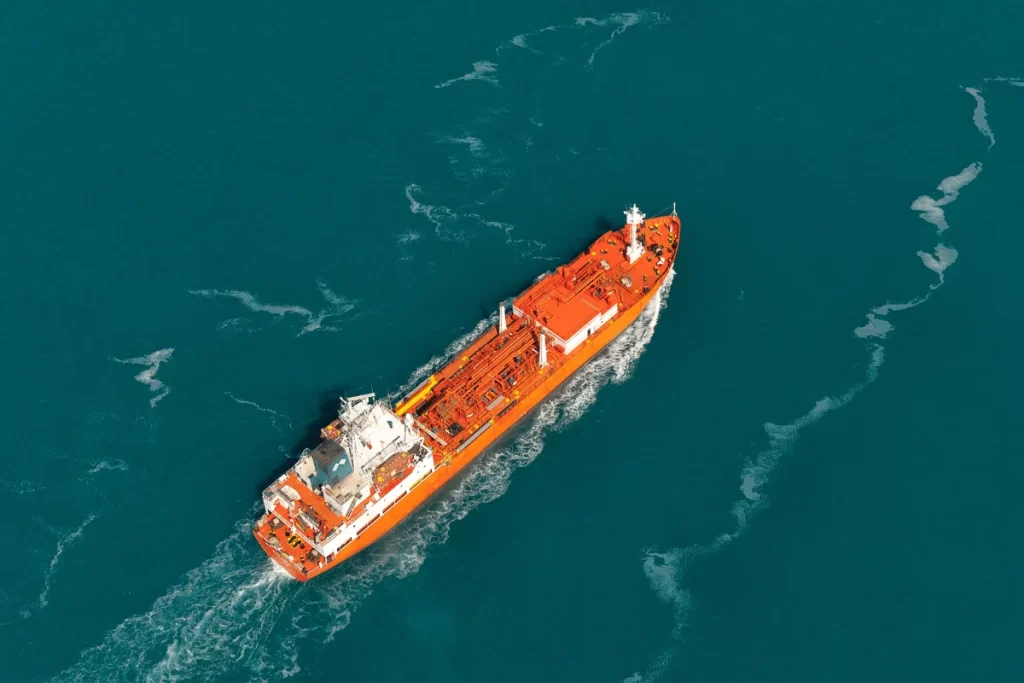
Choosing sea freight from China to England is one of the most practical ways for importers to transport large shipments. While air freight is faster, sea freight offers unbeatable cost savings, scalability, and the ability to move bulk goods. However, many businesses are concerned about costs, shipping times, and customs procedures. This guide provides a detailed breakdown to help you plan your shipments effectively.
Why Choose Sea Freight from China to England?
Sea freight dominates trade between China and the UK because of its balance between affordability and reliability.
- Cost efficiency – Much cheaper than air freight for high-volume cargo.
- Capacity – FCL and LCL services for different cargo sizes.
- Connectivity – Direct sailings to major UK ports.
- Flexibility – Can handle general goods, electronics, textiles, and oversized machinery.
What Are the Transit Times for Sea Freight China to England?
Transit times vary depending on the origin port in China and the UK destination.
| Route | Origin Port | Destination Port | Transit Time |
|---|---|---|---|
| East China → UK (North) | Shanghai | Felixstowe | 30–35 days |
| South China → UK (North) | Shenzhen | Liverpool | 32–38 days |
| Central China → UK (North) | Ningbo | Felixstowe | 28–34 days |
| North China → UK (South) | Qingdao | Southampton | 34–40 days |
Transit times may vary due to congestion, weather, or carrier schedules.
How Much Does Sea Freight from China to England Cost?
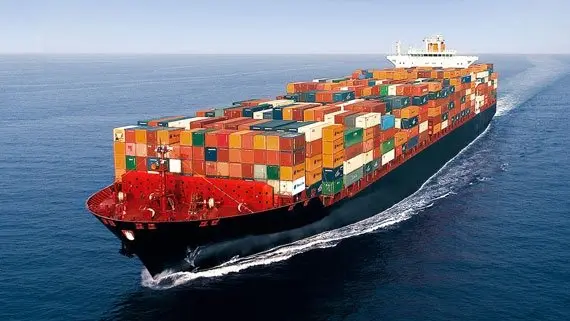
The sea freight cost from China to England depends on container type, volume, and seasonality.
Estimated Container Pricing
| Container Type | Average Rate (USD) | Cargo Capacity (CBM) | Best For |
|---|---|---|---|
| 20ft FCL | $1,500 – $2,200 | 28–30 CBM | Small to medium loads |
| 40ft FCL | $2,400 – $3,500 | 58–60 CBM | Large shipments |
| LCL (per CBM) | $80 – $120 / CBM | Flexible | Cargo under 15 CBM |
Prices fluctuate due to fuel surcharges, demand, and peak seasons.
Should You Choose FCL or LCL Shipping?
| Factor | FCL (Full Container Load) | LCL (Less than Container Load) |
|---|---|---|
| Cost | Cheaper per unit when container is full | Flexible, pay for used space only |
| Transit Time | Faster, direct shipments | Longer due to consolidation |
| Risk | Lower risk of damage | Higher due to multiple cargo handling |
| Best For | 15+ CBM or high-value cargo | Small/medium shipments under 15 CBM |
What Documents Are Needed for Importing to England?
| Document | Purpose |
|---|---|
| Bill of Lading | Proof of shipment & contract of carriage |
| Commercial Invoice | Declares cargo value for duties |
| Packing List | Detailed description of cargo |
| Certificate of Origin | Confirms source country (China) |
| UK Customs Entry (CHIEF/CDS) | Required for clearance |
| Import Licenses (if needed) | For restricted goods |
Customs Clearance for Sea Freight to England
- Customs Declarations: Importers must submit entries via CDS (Customs Declaration Service).
- Duties & VAT: Standard UK VAT (20%) applies, plus tariffs depending on HS codes.
- Inspection: Food, electronics, and chemicals may require additional checks.
- Post-Brexit Rules: Importers must ensure compliance with UK-specific regulations.
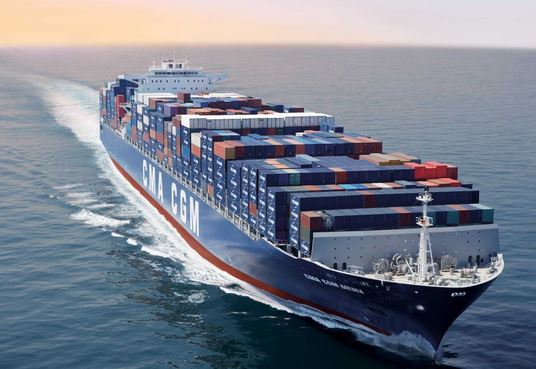
Sea Freight vs. Air Freight vs. Rail Freight
| Mode | Transit Time | Cost Level | Best For |
|---|---|---|---|
| Sea Freight | 28–40 days | Low | Bulk cargo, heavy machinery |
| Air Freight | 3–7 days | High | Urgent, perishable goods |
| Rail Freight | 18–25 days (via Europe) | Medium | Not direct to UK, requires trucking/ferry |
Sea freight remains the most cost-effective option for long-term import strategies.
Major Ports in England Receiving Chinese Cargo
- Felixstowe – Largest UK container port, ideal for East China shipments.
- Southampton – Major gateway for southern UK.
- Liverpool – Convenient for shipments to northern England.
- London Gateway – Modern terminal with advanced handling facilities.
How to Save Costs on Sea Freight from China to England
- Book early to avoid peak-season surcharges.
- Use the right container size for maximum efficiency.
- Consolidate LCL cargo with a freight forwarder.
- Negotiate long-term contracts with carriers.
- Prepare documents correctly to prevent fines and delays.
Key Benefits of Shipping to England by Sea
- Economical for both SMEs and large importers.
- Regular sailings ensure consistent schedules.
- Access to multiple ports for nationwide distribution.
- Freeport zones (e.g., Teesside, Thames Freeport) may reduce customs costs.
📦Get a Free Quote
Looking for the most reliable sea freight from China to England? Our team provides competitive rates, expert customs support, and flexible FCL/LCL solutions. Contact us today to request a free quote tailored to your shipping needs.
❓ Frequently Asked Questions
1. How long does sea freight take from China to England?
Transit takes around 28–40 days depending on the origin port and UK destination.
2. What is the cheapest shipping method from China to England?
Sea freight LCL is best for small shipments, while FCL is more cost-effective for large volumes.
3. Do I need an EORI number for imports?
Yes, UK importers must have an EORI number to clear goods through customs.
4. Can I ship hazardous goods by sea?
Yes, but only with IMDG-compliant packaging and required licenses.
5. Which UK ports handle most shipments from China?
Felixstowe, Southampton, Liverpool, and London Gateway are the key ports.
Conclusion
Shipping by sea freight from China to England remains the most cost-effective and scalable method for importers. With container options, multiple ports, and manageable customs procedures, businesses can move goods efficiently. By planning ahead, preparing documents correctly, and partnering with a reliable freight forwarder, you can reduce costs and ensure timely deliveries.