

- By ayla tj
- September 22, 2025
- Logistics Guide
Working with China freight forwarders is one of the most effective ways to simplify international logistics. Businesses face challenges like customs compliance, rising freight costs, and unpredictable transit times. However, partnering with the right forwarder ensures smooth supply chain management and competitive shipping solutions.
What Do China Freight Forwarders Actually Do?
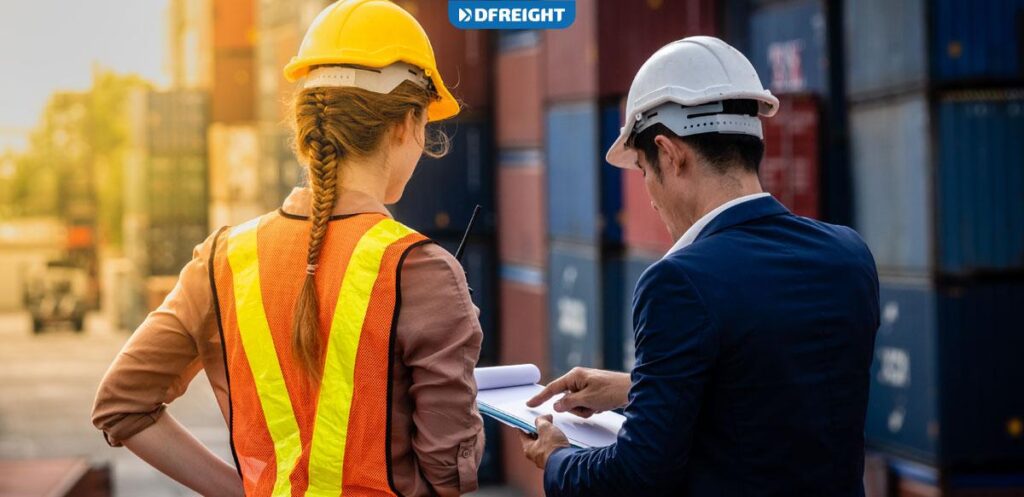
China freight forwarders act as intermediaries between shippers and carriers. They handle bookings, negotiate rates, consolidate cargo, and provide door-to-door solutions. Moreover, they help importers manage customs clearance, documentation, and insurance, ensuring goods arrive safely and on time.
Why Should You Use a China Freight Forwarder Instead of Handling Logistics Yourself?
International shipping involves complex regulations, multi-modal coordination, and fluctuating rates. Forwarders provide expertise, access to carrier networks, and local knowledge in China. Therefore, they significantly reduce risk, save time, and ensure cost efficiency.
How Much Does Shipping from China Cost with a Freight Forwarder?
Shipping costs depend on cargo type, mode of transport, and distance. Forwarders negotiate contracts with carriers, often securing lower rates than individual shippers.
| Mode of Transport | Avg. Transit Time | Cost Range | Best For |
|---|---|---|---|
| Sea Freight (FCL) | 25–40 days | $1,500–$3,000 per container | Bulk, heavy shipments |
| Sea Freight (LCL) | 30–45 days | $50–$80 per CBM | Smaller shipments |
| Air Freight | 3–7 days | $4.5–$8.0 per kg | High-value, urgent goods |
| Rail Freight | 12–20 days | $2,500–$5,000 per container | Europe-bound shipments |
What are you waiting for?
Contact TJ China Freight for a fast, free quote.
Are you ready to book?
Access live instant freight quotes
What Documents Do China Freight Forwarders Handle?
Documentation is essential for avoiding delays. A professional forwarder ensures all paperwork complies with both Chinese export laws and destination regulations.
| Document Type | Purpose |
|---|---|
| Commercial Invoice | Proof of sale and value declaration |
| Packing List | Details packages, dimensions, and weight |
| Bill of Lading / AWB | Contract of carriage for sea or air freight |
| Customs Declaration | Required for export compliance |
| Certificates of Origin | Determines tariffs and trade agreement eligibility |
| Import Licenses (if any) | For restricted or controlled goods |
How Do China Freight Forwarders Add Value to the Supply Chain?
A forwarder’s role extends beyond shipping:
- Negotiated Freight Rates: Bulk contracts lower costs.
- Customs Clearance Expertise: Avoid fines and delays.
- Real-Time Tracking: Improved supply chain visibility.
- Multi-Modal Options: Combine air, sea, and rail for efficiency.
- Value-Added Services: Warehousing, labeling, packaging, and insurance.
What Are the Main Types of Freight Forwarding Services in China?
Most common for bulk cargo. Forwarders arrange FCL (full container load) or LCL (less-than-container load) shipping.
Ideal for urgent or high-value goods. Forwarders secure space on passenger and cargo flights.
Growing in popularity for shipments from China to Europe. Faster than sea, cheaper than air.
Best for small parcels or e-commerce shipments. DHL, UPS, and FedEx dominate this sector, but forwarders often integrate these services.
Should You Choose FCL or LCL When Shipping from China?

| Criteria | FCL (Full Container Load) | LCL (Less than Container Load) |
|---|---|---|
| Cargo Size | 15–30 CBM+ | Less than 15 CBM |
| Cost Efficiency | Lower cost per CBM | Higher cost per CBM |
| Risk | Lower risk of damage or delays | Shared container may cause handling risks |
| Best For | Large shipments or regular trade | Small businesses and irregular shipments |
How Can China Freight Forwarders Help E-Commerce Sellers?
Forwarders support sellers on Amazon, Shopify, and eBay by offering:
- Amazon FBA delivery with labeling and palletizing.
- Door-to-door shipping from Chinese suppliers to global warehouses.
- Customs brokerage to ensure products meet import laws.
- Last-mile delivery integrated with express carriers.
This ensures fast fulfillment, which is crucial for online customer satisfaction.
Do China Freight Forwarders Offer Door-to-Door Shipping?
Yes, many forwarders provide DDP (Delivered Duty Paid) services. This means they handle everything: pickup, international transport, customs clearance, duties, and final delivery. As a result, businesses can focus on sales rather than logistics.
What Are the Advantages and Disadvantages of Each Shipping Mode?
| Mode | Advantages | Disadvantages |
|---|---|---|
| Sea Freight | Cheapest for bulk cargo | Slowest, risk of port congestion |
| Air Freight | Fastest, secure for high-value | Expensive, weight/size limitations |
| Rail Freight | Balanced cost and time to Europe | Limited destinations, weather disruptions |
| Courier | Simple, fast, door-to-door | High cost per kg, small parcels only |
How Do Forwarders Ensure Customs Compliance?
Customs is often the biggest challenge. Forwarders ensure compliance by:
- Correct HS code classification.
- Calculating accurate duties and taxes.
- Preparing licenses and certificates.
- Communicating with customs officials to clear goods quickly.
Therefore, importers avoid penalties and shipment holds.
Which Are the Key Logistics Hubs for China Freight Forwarders?
Major Chinese ports and airports serve as logistics hubs:
- Shanghai Port & Pudong Airport (PVG) – largest sea and air hub.
- Shenzhen (Yantian & SZX Airport) – strong for electronics exports.
- Guangzhou (Nansha & CAN Airport) – south China trade gateway.
- Ningbo Port – efficient container handling for global shipping.
Forwarders strategically choose hubs to optimize transit time and costs.
Logistics Trends Affecting China Freight Forwarders
- Digitalization: Online booking, AI-powered pricing, and tracking platforms.
- Sustainability: Carriers adopting green shipping and carbon offset options.
- E-Commerce Growth: Driving demand for express and FBA delivery.
- Geopolitical Shifts: Trade policies impacting routes and costs.
- Infrastructure Investment: Expansion of Chinese ports and rail links to Europe.
Final Thoughts
Partnering with professional China freight forwarders is crucial for businesses aiming to reduce costs, simplify customs, and ensure reliable delivery. Whether you need sea, air, or rail solutions, forwarders streamline logistics, improve supply chain visibility, and enhance global competitiveness. For importers and exporters alike, choosing the right forwarder means turning logistics challenges into opportunities for growth.
FAQ
1. How do I choose between sea and air freight from China?
Sea freight suits bulk goods with flexible timelines, while air freight is better for urgent or high-value shipments. Forwarders assess your needs before recommending a method.
2. Can a freight forwarder manage both imports and exports?
Yes, most China freight forwarders handle both imports and exports, managing documentation, customs clearance, and transportation across multiple international trade routes efficiently.
3. What role does insurance play in freight forwarding?
Cargo insurance protects against loss, theft, or damage during transit. Forwarders can arrange insurance policies tailored to your shipment’s value and destination risks.
4. Do freight forwarders assist with warehousing in China?
Yes, many provide warehousing services including storage, consolidation, labeling, and packaging. This is especially useful for businesses combining products from multiple suppliers before shipping.
5. How do peak shipping seasons affect freight forwarders?
During holidays like Chinese New Year or Golden Week, space becomes limited and costs rise. Forwarders help secure bookings early to avoid delays.