

- By kelly
- September 25, 2025
- Logistics Guide
Sea Freight Rates from China to USA: Complete Guide for Importers
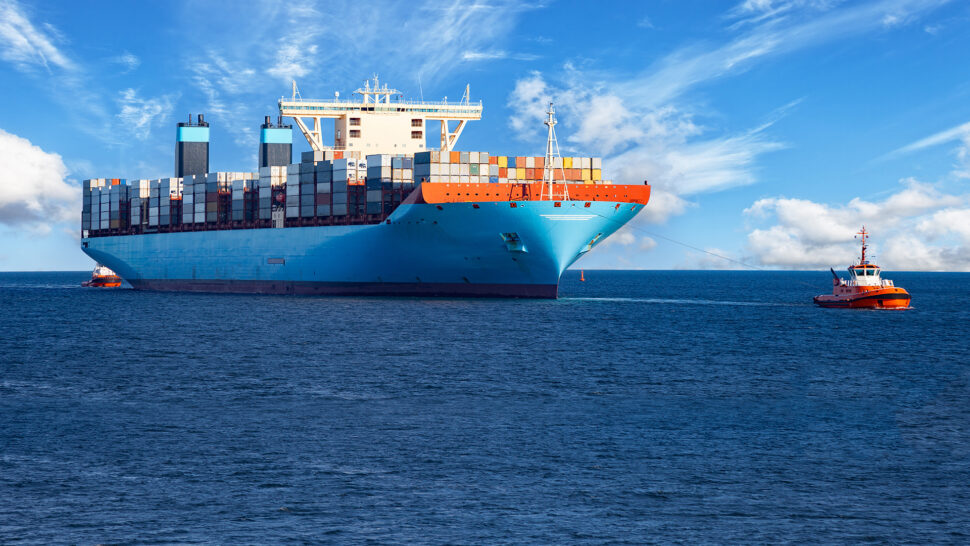
For importers and businesses, knowing sea freight rates from China to USA is essential to plan supply chains effectively. The trade route between China and the U.S. is the busiest in the world, handling millions of containers annually. However, freight costs fluctuate due to container shortages, port congestion, and market demand. This guide provides a detailed breakdown of costs, transit times, customs processes, and strategies to optimize shipping.
1. Why Is Sea Freight from China to USA Important?
Sea freight dominates global trade between the two countries because:
- It is the most cost-effective mode for large shipments.
- It allows flexibility in container types (FCL, LCL, reefer, open-top).
- It connects major Chinese ports to U.S. gateways efficiently.
- It supports bulk shipments including electronics, furniture, textiles, and machinery.
Moreover, it helps businesses reduce logistics costs and meet long-term distribution goals.
2. How Much Are Sea Freight Rates from China to USA?
Container shipping costs vary depending on container type, season, and destination.
| Shipping Option | Average Cost (USD) | Best For | Pros | Cons |
|---|---|---|---|---|
| FCL 20ft | $1,800–$3,500 | Medium cargo | Fixed cost, safer | Requires full load |
| FCL 40ft | $3,000–$5,000 | Large shipments | Lower per-unit cost | High upfront |
| LCL (per CBM) | $120–$180 | Small shipments | Cost-sharing | Longer handling |
Note: Rates fluctuate weekly depending on oil prices, port congestion, and demand.
3. What Factors Affect Sea Freight Rates from China to USA?
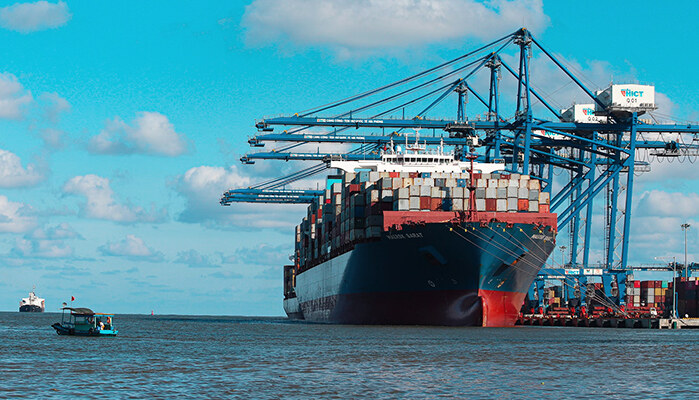
- Container size and type (20ft, 40ft, high cube, reefer)
- Shipping lane demand (Pacific trade sees seasonal spikes)
- Port congestion at Los Angeles or New York
- Fuel surcharges and bunker adjustments
- Customs duties and tariffs on U.S. imports
- Peak season demand (August–November before holidays)
Therefore, businesses must plan shipments strategically to avoid cost spikes.
4. How Long Does Sea Freight from China to USA Take?
Transit times vary by port pair and shipping lane.
| Route | Average Transit Time | Notes |
|---|---|---|
| Shanghai – Los Angeles | 15–20 days | Fast Pacific route |
| Shenzhen – Long Beach | 16–22 days | Popular electronics route |
| Ningbo – New York | 28–35 days | East Coast imports |
| Qingdao – Houston | 25–30 days | Gulf Coast shipments |
| Guangzhou – Seattle | 18–22 days | Northern U.S. route |
Planning ahead is critical, as delays often occur due to congestion.
5. What Are the Main Ports for Sea Freight in China?
- Shanghai Port – Largest container port worldwide
- Shenzhen Port – Key hub for consumer electronics
- Ningbo-Zhoushan Port – Competitive rates for high volume
- Qingdao Port – Major hub for northern China exports
- Guangzhou (Nansha) Port – Central Pearl River Delta gateway
6. Which U.S. Ports Handle Imports from China?
- Los Angeles & Long Beach – Main Pacific gateways
- New York/New Jersey – Largest East Coast port
- Houston – Strategic Gulf Coast hub
- Seattle/Tacoma – Popular northern entry points
- Savannah – Growing East Coast alternative
7. FCL vs LCL: Which Option Should You Choose?
Full Container Load (FCL)
- Recommended for shipments above 15–20 CBM
- Faster customs clearance
- Lower cost per unit
Less than Container Load (LCL)
- Best for small businesses
- Affordable for smaller shipments
- Requires consolidation, leading to longer handling
8. What Documents Are Required for Shipping from China to USA?
Proper documentation ensures smooth customs clearance.
| Document | Purpose |
|---|---|
| Bill of Lading (B/L) | Proof of shipment & ownership |
| Commercial Invoice | Declares product value |
| Packing List | Describes cargo |
| Certificate of Origin | Determines duties |
| ISF Filing | Mandatory before vessel departure |
| Customs Declaration | Required for U.S. entry |
9. Customs Duties & Import Regulations in the USA
Importers must comply with U.S. Customs and Border Protection (CBP) rules:
- Import Duties: Based on HS Codes (0–37.5%)
- Merchandise Processing Fee (MPF): 0.3464% of cargo value (min $29, max $575)
- Harbor Maintenance Fee (HMF): 0.125% of shipment value
- ISF Filing: Must be submitted 24 hours before vessel loading
Failure to comply leads to fines and shipment delays.
10. Sea Freight vs Air and Rail Freight
| Mode | Transit Time | Cost | Best For |
|---|---|---|---|
| Sea Freight | 15–35 days | Low | Bulk goods, machinery |
| Air Freight | 3–7 days | High | Urgent goods |
| Rail Freight (China–US indirect) | 20–25 days | Medium | Limited trade |
| Courier/Express | 3–5 days | Very High | Small parcels |
Sea freight remains the most cost-effective choice for high-volume imports.
11. How to Reduce Sea Freight Rates from China to USA?
- Book shipments early to lock rates
- Use FCL for shipments above 15 CBM
- Consolidate smaller shipments to optimize LCL
- Select the nearest Chinese port to reduce trucking fees
- Partner with freight forwarders for negotiated rates
12. What Challenges Do Importers Face in Sea Freight?
- Port congestion in Los Angeles and New York
- Freight rate volatility linked to demand
- Customs delays due to incomplete paperwork
- Cargo risks during LCL consolidation
However, experienced forwarders help minimize these risks.
📦Get a Free Quote
Working with a trusted logistics provider ensures affordable sea freight rates from China to USA, faster customs clearance, and reliable delivery. Contact our team today to request a free quote tailored to your business needs.
❓ Frequently Asked Questions
Q1: How much are sea freight rates from China to USA?
A 20ft container costs $1,800–$3,500, a 40ft container costs $3,000–$5,000, and LCL averages $120–$180 per CBM.
Q2: How long does sea freight take from China to USA?
Transit usually takes 15–35 days depending on origin, destination, and shipping line schedules.
Q3: Can I ship small goods via sea freight?
Yes. LCL shipping allows smaller volumes to share a container, but it takes longer due to consolidation.
Q4: Which U.S. ports handle Chinese imports?
Los Angeles, Long Beach, New York/New Jersey, Houston, Seattle, and Savannah are key entry ports.
Q5: What documents are required for U.S. customs clearance?
Essential documents include Bill of Lading, Commercial Invoice, Packing List, Certificate of Origin, ISF Filing, and Customs Declaration.
Conclusion
In conclusion, sea freight rates from China to USA remain the most cost-effective solution for bulk and containerized imports. While transit times are longer than air freight, the affordability, scalability, and reliability of sea transport make it the preferred option for businesses. By understanding rate structures, customs requirements, and port options, importers can reduce risks and optimize their supply chains. Partnering with a freight forwarder ensures smoother logistics, competitive pricing, and on-time delivery.