

- By kelly
- September 25, 2025
- Logistics Guide
Sea Freight Time China to UK: Complete Guide for Importers
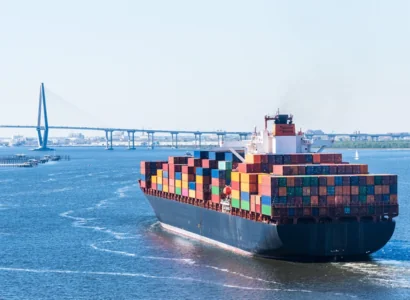
When planning international logistics, understanding sea freight time China to UK is crucial for importers and supply chain managers. Transit times directly affect inventory planning, delivery schedules, and overall shipping costs. However, delays caused by port congestion, customs, or seasonal peaks often complicate shipments. This guide provides insights into shipping times, costs, documents, and strategies to streamline your logistics.
1. Why Is Sea Freight Time from China to UK Important?
Shipping time is one of the most important factors in global trade. Businesses rely on accurate delivery schedules to maintain stock levels, reduce costs, and meet customer expectations. Moreover, with growing e-commerce demand, delays can impact competitiveness.
2. How Long Does Sea Freight from China to UK Take?
Transit time depends on the route, vessel schedule, and chosen port of entry.
| Route | Average Transit Time | Notes |
|---|---|---|
| Shanghai – Felixstowe | 30–35 days | Most common trade route |
| Ningbo – London Gateway | 28–33 days | Faster via direct sailings |
| Shenzhen – Southampton | 32–36 days | Popular for electronics |
| Qingdao – Liverpool | 35–40 days | Slightly longer |
Planning ahead helps importers manage these timelines effectively.
3. What Factors Affect Sea Freight Time from China to UK?
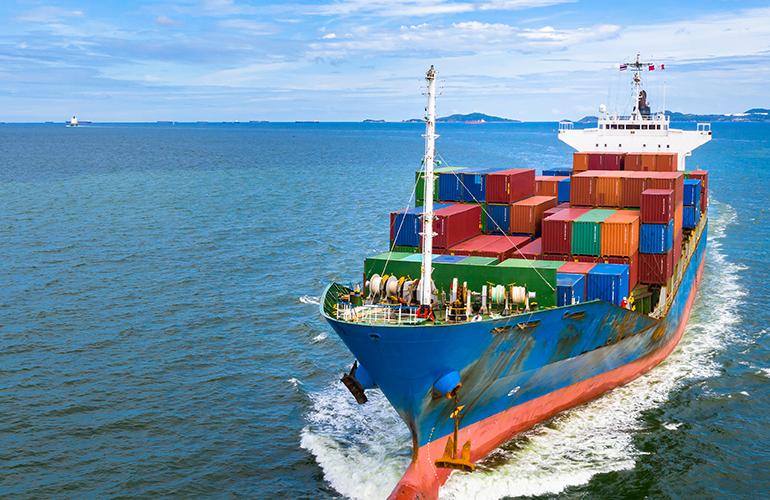
- Port congestion in Felixstowe, Southampton, or Shanghai
- Weather disruptions (storms and typhoons)
- Seasonal peaks (holiday demand increases delays)
- Customs inspections at UK ports
- Route choice (direct vs transshipment)
Therefore, businesses must factor in buffer time for potential disruptions.
4. How Do Shipping Costs Relate to Transit Time?
Faster routes often cost more, while slower sailings may be cheaper.
| Shipping Method | Cost Range (USD) | Transit Time | Pros | Cons |
|---|---|---|---|---|
| Standard FCL 20ft | $2,000–$3,200 | 30–40 days | Secure, fixed | Requires full load |
| Standard FCL 40ft | $3,200–$5,200 | 30–40 days | Economical per unit | Higher upfront |
| LCL (per CBM) | $120–$180 | 35–45 days | Flexible | Longer handling |
| Expedited Service | Higher | 25–28 days | Faster | More expensive |
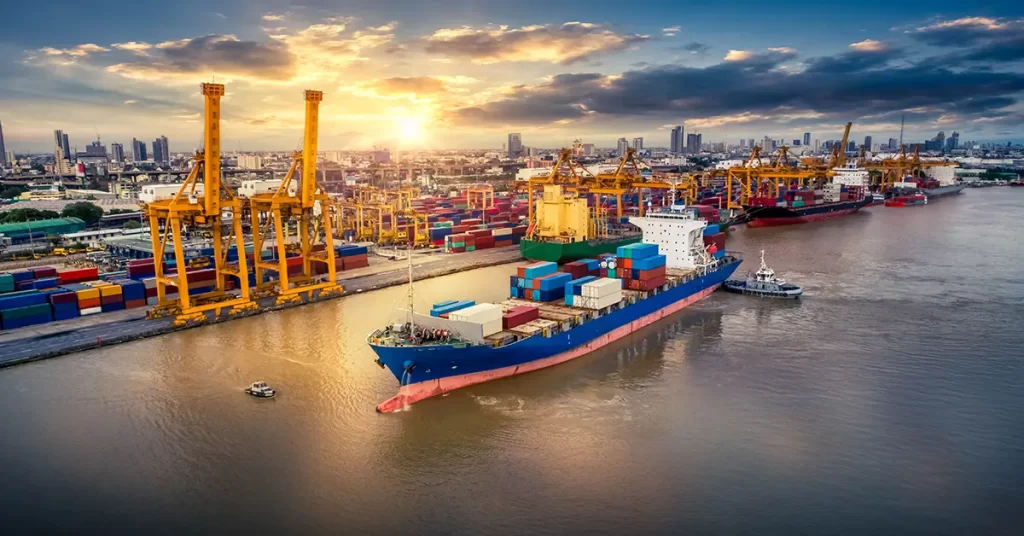
5. Which Ports in China Ship to the UK?
- Shanghai Port – World’s largest container hub
- Shenzhen Port – Key for electronics
- Ningbo-Zhoushan Port – Competitive rates for high volume
- Qingdao Port – Northern China exports
- Guangzhou (Nansha) Port – Strong Pearl River Delta gateway
6. Which UK Ports Handle Sea Freight from China?
- Felixstowe – UK’s busiest container port
- Southampton – Strong hub for electronics and consumer goods
- London Gateway – New deep-water port with modern facilities
- Liverpool – Efficient for northern UK distribution
7. FCL vs LCL: Which Option Affects Sea Freight Time?
Full Container Load (FCL)
- Faster clearance and shorter handling times
- Best for shipments above 15–20 CBM
- Safer and more reliable
Less than Container Load (LCL)
- Longer transit due to consolidation and deconsolidation
- Best for small shipments
- More affordable for startups and SMEs
8. What Documents Are Needed for Sea Freight from China to UK?
| Document | Purpose |
|---|---|
| Bill of Lading (B/L) | Proof of shipment & ownership |
| Commercial Invoice | Declares value of goods |
| Packing List | Details cargo content |
| Certificate of Origin | Determines tariffs |
| Import Declaration | Required by HMRC |
9. Customs Duties & Import Regulations in the UK
Importers must comply with UK Customs (HMRC) rules:
- Import Duties: Vary depending on HS Codes
- VAT: Standard rate of 20% on imports
- Restricted Items: Certain goods require permits
- EORI Number: Mandatory for importers
Failure to comply results in costly delays.
10. How Does Sea Freight Compare to Other Methods?
| Mode | Transit Time | Cost | Best For |
|---|---|---|---|
| Sea Freight | 30–40 days | Low | Bulk cargo |
| Air Freight | 5–10 days | High | Urgent, high-value goods |
| Rail Freight (China–UK) | 18–25 days | Medium | Faster than sea, cheaper than air |
| Courier/Express | 3–7 days | Very High | Small parcels |
Therefore, sea freight remains the most cost-effective for large shipments.
11. How to Reduce Sea Freight Time from China to UK?
- Choose direct routes instead of transshipment
- Work with freight forwarders to avoid port delays
- Book early to secure faster vessel schedules
- Consolidate cargo efficiently for smoother handling
- Ensure all documents are accurate to avoid customs delays
12. Common Challenges with Sea Freight from China to UK
- Port congestion in Felixstowe during peak seasons
- Container shortages leading to delays
- Customs inspections slowing clearance
- Weather disruptions on sea routes
Nevertheless, proactive planning helps reduce risks.
📦Get a Free Quote
Partnering with an experienced logistics company for sea freight time China to UK ensures smooth operations, reduced delays, and cost savings. Contact us today for a customized shipping solution.
❓ Frequently Asked Questions
Q1: How long does sea freight take from China to the UK?
Transit typically takes 30–40 days depending on the route, port, and shipping line schedule.
Q2: Can sea freight time be reduced?
Yes. Using direct sailings, avoiding peak seasons, and working with reliable freight forwarders can reduce delays.
Q3: Which UK ports receive shipments from China?
Felixstowe, Southampton, London Gateway, and Liverpool handle the majority of containerized imports from China.
Q4: Is rail freight faster than sea freight from China to UK?
Yes. Rail freight takes 18–25 days, making it faster than sea but cheaper than air freight.
Q5: What documents are required for sea freight to the UK?
Bill of Lading, Commercial Invoice, Packing List, Certificate of Origin, and HMRC Import Declaration are mandatory.
Conclusion
In conclusion, sea freight time China to UK averages 30–40 days, making it a practical yet slower shipping option compared to air or rail. While longer in duration, sea freight offers unmatched affordability and scalability, making it the backbone of China–UK trade. By understanding routes, costs, documentation, and customs, businesses can optimize supply chains. Partnering with freight forwarders ensures smoother operations, reduced risks, and reliable delivery schedules.