

- By kelly
- September 25, 2025
- Logistics Guide
Shipping Freight from China: Complete Importer’s Guide for 2025
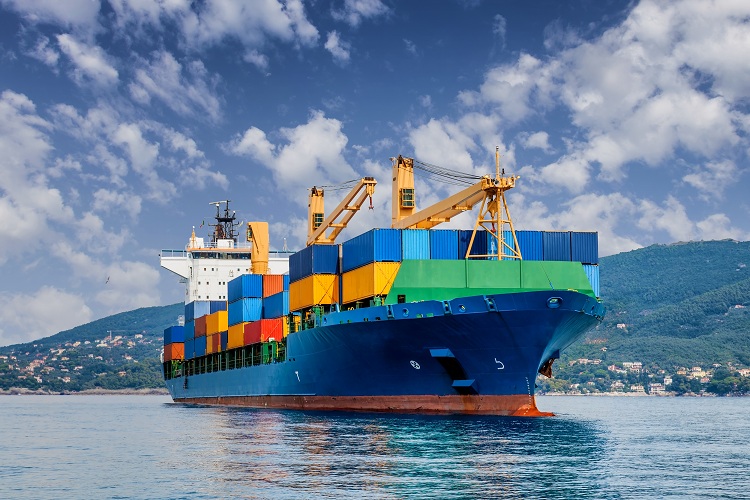
Importers worldwide depend heavily on shipping freight from China, given its position as the global manufacturing hub. However, freight rates, transit times, customs regulations, and supply chain disruptions can make the process complex. Therefore, having the right knowledge and strategy ensures cost savings, timely deliveries, and fewer risks. This detailed guide covers freight methods, pricing, documents, and logistics strategies to help businesses ship efficiently from China.
1. What Are the Main Options for Shipping Freight from China?
When importing from China, you can choose between sea freight, air freight, rail freight, and courier services. Each has its advantages depending on cost, speed, and cargo size.
| Shipping Method | Average Cost | Transit Time | Pros | Cons |
|---|---|---|---|---|
| Sea Freight (FCL/LCL) | $1,800–$5,000 per container | 15–40 days | Cheapest for bulk cargo | Slower, subject to port delays |
| Air Freight | $5–$10 per kg | 3–7 days | Fast, secure | Expensive, limited size |
| Rail Freight | $4,000–$7,000 per container | 18–25 days | Balance of speed & cost | Limited routes to Europe |
| Courier/Express | $8–$15 per kg | 3–5 days | Door-to-door, easy customs | Very costly for large shipments |
2. How Much Does Shipping Freight from China Cost?
Shipping costs fluctuate based on fuel prices, demand, container availability, and seasonality.
| Container Type | China → USA | China → UK | China → India | China → Australia |
|---|---|---|---|---|
| 20ft FCL | $1,800–$3,200 | $1,500–$2,500 | $1,200–$2,000 | $1,600–$2,300 |
| 40ft FCL | $3,000–$5,000 | $2,400–$4,000 | $2,200–$3,500 | $2,800–$4,200 |
| LCL (per CBM) | $120–$180 | $100–$160 | $90–$140 | $110–$150 |
Note: Prices are estimates and vary by season, carrier, and route.
3. How Long Does Freight Shipping from China Take?
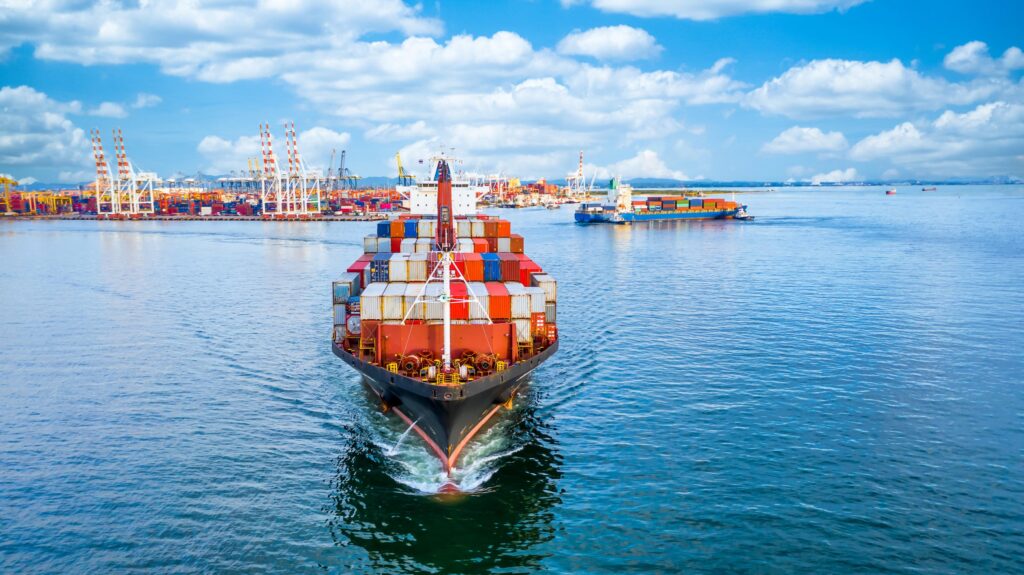
| Destination | Sea Freight | Air Freight | Rail Freight | Courier |
|---|---|---|---|---|
| USA (West Coast) | 15–20 days | 3–5 days | N/A | 3–5 days |
| USA (East Coast) | 28–35 days | 5–7 days | N/A | 3–5 days |
| Europe (UK/Germany) | 25–35 days | 3–6 days | 18–25 days | 3–5 days |
| India | 15–22 days | 3–5 days | N/A | 3–5 days |
| Australia | 12–20 days | 3–5 days | N/A | 3–5 days |
Therefore, sea freight is the most economical, while air freight is best for urgent shipments.
4. Should You Choose FCL or LCL When Shipping from China?
Full Container Load (FCL)
- Suitable for shipments above 15 CBM
- Faster clearance and less handling
- More secure
Less than Container Load (LCL)
- Ideal for small shipments below 15 CBM
- Shared space reduces cost
- Longer handling time
5. What Customs Documents Are Required for Freight Shipping from China?
| Document | Purpose |
|---|---|
| Bill of Lading / Air Waybill | Proof of shipment |
| Commercial Invoice | Declares product value |
| Packing List | Cargo details |
| Certificate of Origin | Tariff calculation |
| Importer Security Filing (USA) | Required before departure |
| Customs Declaration | Mandatory entry document |
Without these documents, delays and penalties may occur at customs.
6. How Do Customs Duties Impact Shipping Costs?
- USA: Duties based on HS Code + MPF (0.3464%) + HMF (0.125%)
- EU: Import VAT (17–25%) + duties depending on product category
- India: Basic customs duty (7.5–10%) + GST
- Australia: Goods under AUD 1,000 exempt; above taxed
Therefore, importers must calculate landed costs, not just freight charges.
7. What Are the Pros and Cons of Different Freight Methods?
| Method | Pros | Cons |
|---|---|---|
| Sea Freight | Cheapest for bulk, flexible capacity | Slow, port delays |
| Air Freight | Fast, secure, reliable | Expensive |
| Rail Freight | Balanced cost and speed | Limited routes |
| Courier | Door-to-door, fast, customs included | Very expensive |
8. How to Reduce Shipping Freight Costs from China?
- Book shipments early during peak seasons
- Consolidate LCL shipments for better rates
- Use multiple carriers to compare pricing
- Work with reliable freight forwarders
- Optimize packaging to reduce dimensional weight
9. How Do Incoterms Affect Freight Shipping?
Common Incoterms used for imports:
- FOB (Free on Board): Supplier delivers cargo to port, buyer handles freight & customs.
- CIF (Cost, Insurance & Freight): Supplier arranges shipping to buyer’s port.
- DAP/DDP (Delivered at Place/Delivered Duty Paid): Supplier delivers door-to-door, often higher cost.
10. Should Small Businesses Use Freight Forwarders?
Yes. Freight forwarders handle booking, customs clearance, documentation, and delivery. Moreover, they negotiate lower rates with carriers, helping small businesses save money and avoid costly mistakes.
📦Get a Free Quote
By working with an experienced logistics provider, your company can optimize shipping freight from China, reduce costs, and ensure reliable delivery. Contact us today for a customized freight quote tailored to your business needs.
❓ Frequently Asked Questions
Q1: What is the cheapest way of shipping freight from China?
Sea freight (FCL/LCL) is usually the most affordable option, especially for bulk cargo.
Q2: How long does sea freight take from China to USA?
Transit ranges from 15–20 days for West Coast and 28–35 days for East Coast shipments.
Q3: What documents are required for customs clearance?
Bill of Lading, Commercial Invoice, Packing List, Certificate of Origin, and Import Declaration are essential.
Q4: Can I ship small parcels directly from China?
Yes. Courier services like DHL, FedEx, or UPS are best for small parcels under 100kg.
Q5: Should I choose FCL or LCL?
Choose FCL if you have 15 CBM+ cargo. For smaller volumes, LCL is more cost-efficient.
Conclusion
In conclusion, shipping freight from China requires careful planning around cost, transit time, and customs compliance. While sea freight remains the most economical option, air freight and courier services are better for urgent or small shipments. By understanding freight methods, costs, documents, and Incoterms, businesses can better manage supply chains. Partnering with a trusted freight forwarder ensures seamless operations and timely delivery.