

- By ayla tj
- September 25, 2025
- Logistics Guide
Freight from China to US is one of the most in-demand trade routes in global logistics. With rising e-commerce demand and supply chain pressures, businesses must understand shipping methods, costs, and customs requirements to stay competitive. Choosing the right strategy ensures faster transit, cost savings, and reliable delivery.
1. What Are the Main Options for Shipping Freight from China to US?
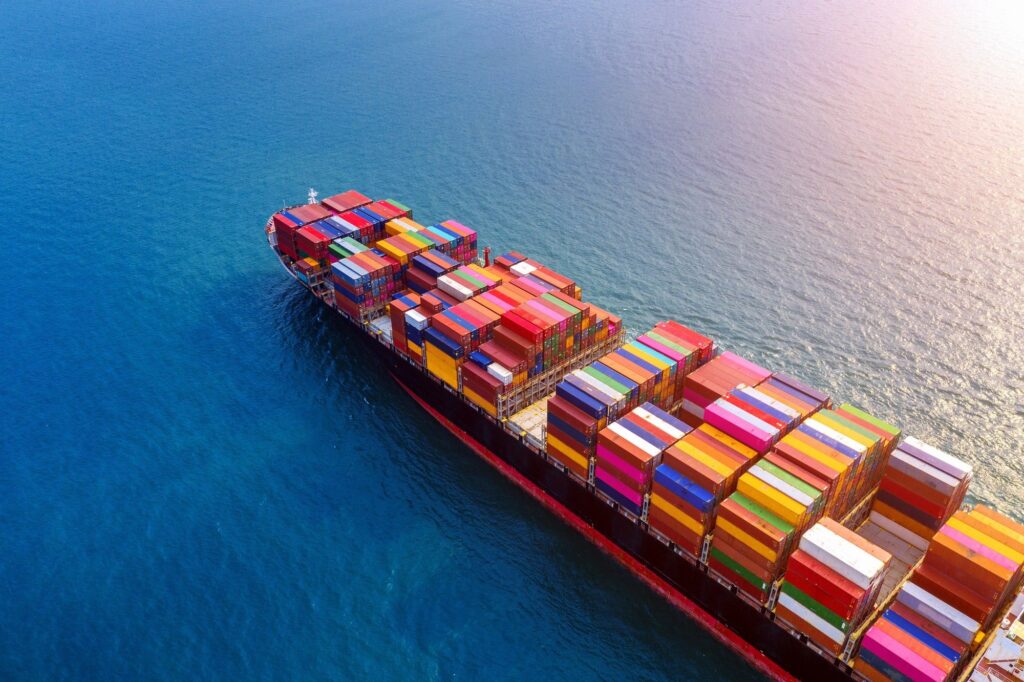
There are four common methods for moving goods from China to the United States:
- Sea freight (FCL/LCL)
- Air freight
- Rail freight (via Europe, then ocean or air)
- Courier/express delivery (DHL, FedEx, UPS)
Each method has advantages depending on volume, urgency, and budget.
2. How Much Does It Cost to Ship Freight from China to US?
Shipping costs fluctuate with fuel rates, peak seasons, and capacity. Below is a typical cost comparison:
| Shipping Method | Average Cost (USD) | Transit Time | Pros | Cons |
|---|---|---|---|---|
| Sea Freight FCL | $2,000–$3,500 per 20ft | 25–35 days | Best for bulk, cost-effective | Slow, port congestion |
| Sea Freight LCL | $30–$60 per CBM | 30–40 days | Flexible for small loads | Longer handling times |
| Air Freight | $5–$8 per kg | 5–10 days | Fast, reliable | Expensive |
| Courier (Express) | $6–$10 per kg | 3–7 days | Door-to-door, fastest | High per-kg rate |
| Rail Freight | $4,000–$6,000 per 40ft | 18–22 days | Balanced speed and cost | Limited routes |
What are you waiting for?
Contact TJ China Freight for a fast, free quote.
Are you ready to book?
Access live instant freight quotes
3. What Is the Difference Between FCL and LCL Freight?
| Option | Suitable For | Benefits | Drawbacks |
|---|---|---|---|
| FCL (Full Container Load) | Large shipments | Lower unit cost, full control | Higher upfront cost |
| LCL (Less than Container Load) | Small/medium shipments | Cost sharing, flexible | Risk of delays, more handling |
4. How Long Does Freight from China to US Take?
| Destination | Sea Freight | Air Freight | Rail + Sea | Courier |
|---|---|---|---|---|
| US West Coast (LA, SF) | 15–20 days | 5–7 days | 18–20 days | 3–5 days |
| US East Coast (NY, Miami) | 25–35 days | 6–8 days | 20–22 days | 4–6 days |
| Central US (Chicago, Dallas) | 25–30 days | 6–8 days | 20–22 days | 4–6 days |
5. What Customs Documents Are Needed for Freight from China to US?
| Document | Purpose |
|---|---|
| Commercial Invoice | Declares goods value |
| Packing List | Describes cargo contents |
| Bill of Lading / Air Waybill | Contract of carriage |
| Importer Security Filing (ISF) | Required for US Customs |
| Certificate of Origin | Verifies source country |
| Customs Bond | Ensures duties/taxes are paid |
6. What Factors Influence Freight Costs?
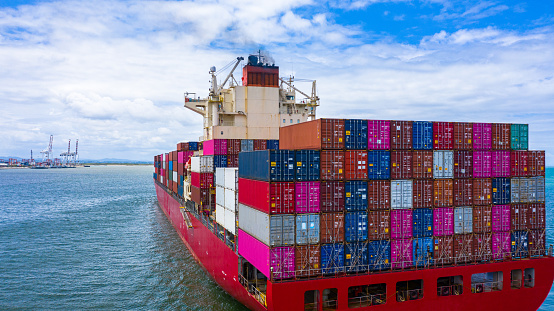
- Cargo weight and dimensions – Heavier or bulkier goods increase costs.
- Shipping method – Air and courier are faster but more expensive.
- Seasonality – Chinese New Year and Christmas drive up demand.
- Customs duties and tariffs – US import tariffs vary by product category.
- Incoterms (FOB, CIF, DDP) – Define who pays for shipping and insurance.
7. Should You Choose Air, Sea, or Rail Freight?
| Method | Best For | Key Advantage |
|---|---|---|
| Sea Freight | Bulk, low-value cargo | Cheapest overall |
| Air Freight | High-value, urgent goods | Speed and reliability |
| Rail Freight | Mid-range shipments | Balance of speed and cost |
| Courier | Small parcels | Convenience and speed |
8. How Do Incoterms Affect Freight from China to US?
- FOB (Free on Board): Buyer manages freight after loading at port.
- CIF (Cost, Insurance, Freight): Seller covers transport to destination port.
- DDP (Delivered Duty Paid): Seller covers all logistics, including customs and delivery.
9. How Can Businesses Reduce Freight Costs?
- Book shipments in advance to avoid peak-season surcharges.
- Consolidate LCL cargo to save on per-unit costs.
- Work with experienced freight forwarders who have negotiated carrier rates.
- Optimize packaging to reduce volumetric weight.
- Leverage digital freight platforms for rate comparison.
10. What Are the Pros and Cons of Different Freight Modes?
| Mode | Pros | Cons |
|---|---|---|
| Sea | Cheapest, large volume | Longest transit |
| Air | Fast, reliable | High cost |
| Rail | Mid-speed, eco-friendly | Limited routes |
| Courier | Convenient, fast | Expensive per kg |
Final Thoughts
Shipping freight from China to US requires balancing cost, time, and customs compliance. Sea freight is cost-effective for large cargo, while air and courier provide speed for urgent goods. Rail freight offers a growing alternative. To optimize your supply chain, work with trusted freight forwarders, plan shipments strategically, and use digital platforms for visibility. This ensures smooth delivery, reduced risks, and improved competitiveness in the global market.
FAQ
1. What role do freight forwarders play in managing shipments from China to the US?
Freight forwarders coordinate carriers, documentation, customs clearance, and delivery schedules, ensuring goods move efficiently across international borders while reducing risks and delays.
2. How does cargo insurance affect freight from China to US?
Cargo insurance protects importers against loss, damage, or theft during transit. It provides financial security and is especially important for high-value or fragile shipments.
3. Can packaging methods influence overall shipping expenses?
Yes, optimized packaging reduces volumetric weight and prevents damage. Efficient packing lowers freight charges and minimizes risks of extra costs from oversized or improperly packed goods.
4. What payment terms are common when booking freight from China to US?
Payment terms vary but usually include prepaid arrangements or credit agreements. Clear terms help avoid disputes and ensure smooth coordination between shippers and forwarders.
5. How do environmental regulations affect freight shipping to the US?
Environmental policies, such as low-sulfur fuel requirements, impact shipping costs. Carriers must comply with international regulations, influencing freight rates and overall sustainability practices.