

- By ayla tj
- September 25, 2025
- Logistics Guide
Sea freight from China to Singapore is theis one of the most reliable and cost-effective shipping options for businesses trading between the two countries. However, importers often struggle with questions about shipping costs, container choices, customs clearance, and delivery timelines. This guide will help you understand the process, compare shipping options, and choose the most efficient logistics strategy for your business.
Why Choose Sea Freight from China to Singapore?
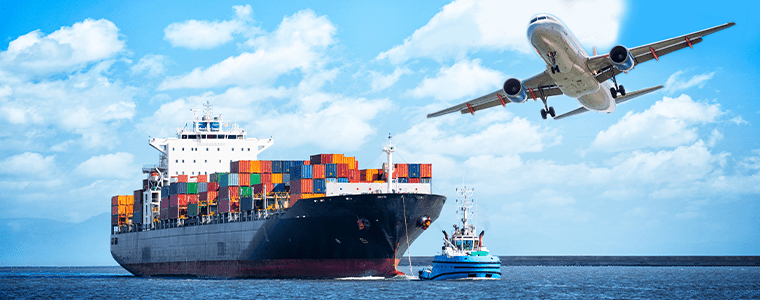
Sea freight from China to Singapore is the backbone of bilateral trade because of its affordability and capacity. Compared to air freight, ocean shipping is more economical, especially for bulk goods. Moreover, Singapore’s strategic port infrastructure ensures smooth cargo handling and reliable onward distribution.
What Are the Main Shipping Methods Available?
Importers usually choose between Full Container Load (FCL) and Less than Container Load (LCL). The choice depends on cargo volume, cost considerations, and urgency.
| Shipping Method | Cost Level | Transit Time | Best For | Pros | Cons |
|---|---|---|---|---|---|
| FCL (20ft/40ft) | Lower per unit | 5–8 days | Large shipments | Cost-effective, secure, faster loading | Higher upfront cost |
| LCL (Consolidated) | Higher per unit | 7–12 days | Small/medium cargo | Flexible, lower upfront cost | Longer handling time, more paperwork |
How Long Does Sea Freight from China to Singapore Take?
On average, sea freight from China to Singapore takes 5–12 days depending on origin port, service type, and customs efficiency.
| Origin Port in China | Estimated Transit Time (Days) |
|---|---|
| Shanghai | 5–7 |
| Shenzhen | 4–6 |
| Ningbo | 6–8 |
| Qingdao | 8–10 |
| Tianjin | 10–12 |
Although the sailing time is short, shippers should also consider container stuffing, port handling, and customs procedures, which may add 2–3 extra days.
How Much Does Sea Freight from China to Singapore Cost?
Rates vary by season, container type, and market conditions. Typically:
| Container Size | Average Rate (USD) | Notes |
|---|---|---|
| 20ft FCL | $350–$550 | Ideal for small bulk |
| 40ft FCL | $650–$950 | Standard commercial shipments |
| LCL (per CBM) | $35–$55 | Depends on cargo class |
What are you waiting for?
Contact TJ China Freight for a fast, free quote.
Are you ready to book?
Access live instant freight quotes
What Documents Are Required for Importing into Singapore?
A smooth customs clearance requires the right paperwork. Missing documents can delay your sea freight from China to Singapore.
| Document | Purpose |
|---|---|
| Bill of Lading | Confirms cargo ownership |
| Commercial Invoice | Declares cargo value |
| Packing List | Details cargo contents |
| Import Permit (Singapore Customs) | Ensures regulatory compliance |
| Certificate of Origin | Required for tariff benefits |
Can Air Freight Compete with Sea Freight from China to Singapore?
While air freight offers faster delivery, it comes at a higher price. For non-urgent goods, sea freight from China to Singapore is usually the smarter option.
| Mode | Cost | Transit Time | Best Use |
|---|---|---|---|
| Sea Freight | Low | 5–12 days | Bulk, cost-sensitive goods |
| Air Freight | High | 1–3 days | Urgent, high-value goods |
Should You Use a Freight Forwarder?

Working with a professional freight forwarder simplifies the entire process of sea freight from China to Singapore. They handle documentation, customs clearance, cargo insurance, and door-to-door delivery, allowing importers to focus on business operations rather than logistics complexities.
How to Reduce Sea Freight from China to Singapore Costs?
Several strategies can help minimize your shipping expenses:
- Book early to avoid peak season surcharges.
- Optimize container usage by maximizing load efficiency.
- Consolidate shipments with LCL when volumes are small.
- Negotiate long-term contracts with carriers or freight forwarders.
- Choose the right Incoterms to manage cost responsibilities.
Do Customs and Duties Add Significant Costs?
Singapore is known for its efficient and business-friendly customs system. Import duties are low, and most goods attract only Goods and Services Tax (GST) at 8%. However, restricted items such as alcohol, tobacco, and controlled chemicals require special permits for sea freight from China to Singapore.
Final Thoughts
Sea freight from China to Singapore remains the most practical choice for businesses looking to balance cost and efficiency. While it may not match the speed of air freight, it offers unmatched affordability and capacity for bulk shipments. With proper documentation, forwarder support, and cost-saving strategies, companies can ensure smooth and timely cargo movement across this vital trade lane.
FAQ
Q1: What factors influence sea freight rates from China to Singapore?
Freight rates depend on container size, cargo type, fuel surcharges, peak seasons, and carrier availability. Planning shipments early helps secure lower rates.
Q2: Can hazardous materials be shipped by sea from China to Singapore?
Yes, but special permits, packaging, and International Maritime Dangerous Goods (IMDG) compliance are required. A freight forwarder can manage the documentation and safety requirements.
Q3: How do I calculate cargo volume for LCL shipping?
LCL freight is billed by cubic meter (CBM). Measure length × width × height of each package, then convert to cubic meters.
Q4: Are there restrictions on importing electronics into Singapore by sea?
Certain electronics require Safety Mark certification or compliance with Singapore’s IMDA regulations. Importers should verify requirements before shipping to avoid delays and fines.
Q5: Can I arrange door-to-door delivery from China to Singapore?
Yes, many freight forwarders offer door-to-door services, handling pickup in China, sea transport, customs clearance in Singapore, and final delivery to your warehouse.