

- By carlie tj
- September 28, 2025
- Logistics Guide
Planning sea freight China to Europe shipments can be complex, especially with fluctuating shipping costs, customs regulations, and transit times. If you are importing or exporting goods, you need clarity on routes, container types, and logistics strategies. For tailored assistance, you might also visit ChinaTopFreight as a reliable resource in freight forwarding.
In this guide, you’ll learn how to optimize costs, choose routes, manage customs, and compare alternatives across air, sea, and rail in your supply chain.
1. What Is Sea Freight China to Europe and Why Choose It?
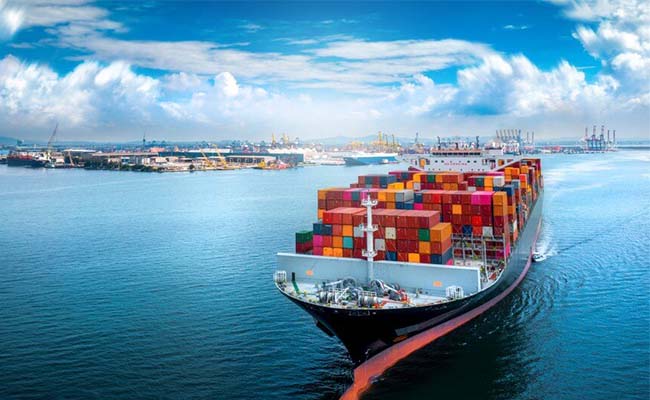
Sea freight China to Europe refers to transporting goods by ocean shipping from Chinese ports to European ports. It is a backbone of global trade due to volume capabilities and cost efficiency.
- Why choose sea freight? Because ocean shipping typically offers lower cost per unit than air freight, especially for bulk or heavy items.
- Challenges & pain points: Longer transit times, customs delays, port congestion, variability in ocean freight rates.
- What you’ll gain from this article: Insights on cost, transit time, routing options, container pricing, documentation, comparison with air/rail, and actionable strategies.
2. How Much Does Sea Freight China to Europe Cost? (Container & Cargo Pricing)
Understanding pricing involves many variables (volume, weight, route, fuel surcharge, port fees). Below is an illustrative table:
Table 1: Container & Cargo Pricing (Estimated, USD)
| Container Type / Cargo | Approximate Cost (China → Europe) | Notes / Variables |
|---|---|---|
| 20 ft container (FCL) | $1,200 – $2,200 | Depends on origin/destination, surcharges |
| 40 ft container (FCL) | $1,800 – $3,200 | Popular for maximizing economy |
| Less-than-Container Load (LCL) | $50 – $120 per cubic meter | Suitable for small volume shipments |
| Bulk cargo (loose) | Varies by weight/volume, contract terms | Often negotiated individually |
3. What Is the Transit Time for Sea Freight China to Europe?
Transit time is a critical factor. Below is a breakdown of estimated transit times depending on departure port and destination:
Table 2: Transit Time by Destination (China → Europe)
| Departure Port (China) | Destination Port (Europe) | Estimated Transit Time |
|---|---|---|
| Shanghai | Rotterdam (Netherlands) | 25 – 35 days |
| Shenzhen / Guangzhou | Hamburg (Germany) | 28 – 38 days |
| Ningbo | Antwerp (Belgium) | 26 – 36 days |
| Qingdao | Piraeus (Greece) | 20 – 30 days |
Transit times depend heavily on routing (direct or via transshipment), port congestion, and weather delays. For precise estimates, use the long-tail keyword “China to Europe sea transit time by port.”
4. Which Routes & Service Options Exist for Sea Freight China to Europe?
You have several route/service options, each with pros and cons:
4.1 Direct / Loop Services
- These voyages run straight from Chinese ports to European ports without intermediate stops. While faster, they can be more expensive.
4.2 Transshipment / Hub-and-Spoke
- Cargo moves via a hub port (e.g., Singapore, Dubai, Colombo) before reaching Europe. This may lower cost but increase transit time.
4.3 Feeder Services
- Small vessels collect cargo from secondary ports and feed into mainline services. Useful when your origin port is less common.
4.4 Rail + Sea Hybrid
- Some routes combine rail from inland China to port, then sea freight to Europe (or vice versa). This can reduce inland cost burdens and improve scheduling flexibility.
You may compare among them using long-tail keywords such as “China to Europe via Mediterranean sea route” or “China Europe transshipment ports.”
✔️5.How to Optimize Sea Freight China to Europe Costs & Efficiency?
To reduce shipping costs and streamline logistics, adopt strategies such as:
- Consolidating LCL shipments to fill a full container
- Booking early (avoid peak-season surcharges)
- Negotiating multi-shipment contracts with carriers
- Using port-to-door or door-to-door services for better coordination
- Leveraging backhaul opportunities to lower cost
- Monitoring fuel surcharges, currency fluctuations, and war-risk premiums
By incorporating long-tail phrases such as “cheapest sea freight from China to Europe” or “China Europe shipping optimization strategy,” you can tailor your supply chain decisions.
6. What Are Logistics Trends Affecting Sea Freight China to Europe?
To stay competitive, be aware of these trends:
- Digitalization & visibility tools – Real-time container tracking, IoT sensors
- Green shipping & emissions regulation – Carbon taxes pushing carriers to use cleaner fuel
- Alternative routes – Arctic passage (Northern Sea Route) and Suez bypass possibilities
- Modular containerization & automation – Smart containers, autonomous port equipment
- Trade policy shifts – Tariffs, quotas, regional trade pacts impacting flows
Adopting forward-looking solutions can give you an edge in efficiency and cost control.
7.Conclusion
Shipping via sea freight from China to Europe remains one of the most cost-effective and scalable solutions for international trade. Despite longer transit times compared to air or rail, sea freight offers unmatched capacity, flexibility, and affordability—especially for bulk and heavy shipments. By understanding the full picture—including pricing, routing, customs documentation, and current logistics trends—you can make informed decisions that enhance supply chain performance.
8. Request a Quote
China Top Freight offers:
- ✅ Origin and Destination Countries
- ✅ Cargo Type and Volume
- ✅ Preferred Transport Method (Air, Sea, Rail, Road)
- ✅ Delivery Timeline
- ✅ Special Handling Requirements (if any)
💬9. FAQ
Q: What factors most influence sea freight China to Europe cost?
Key factors include volume/weight, origin/destination ports, fuel surcharges, peak season, container availability, and transshipment fees.
Q: How often do shipments depart from China to Europe?
Major routes typically offer weekly or multiple sailings per week on loop services between prominent ports.
Q: Can I ship perishable or urgent cargo via sea freight?
Perishables or urgent items are often shipped via air; sea freight may be feasible only with reefer containers and tight timing.
Q: Are customs delays common when shipping from China to Europe?
Delays occur especially during inspections, misclassification of goods, or documentation errors; proper compliance reduces delay risk.
Q: Is insurance necessary for sea freight China to Europe?
Insurance is highly recommended to protect against loss, damage, or delays, particularly over long ocean voyages.