

- By carlie tj
- September 28, 2025
- Logistics Guide
Planning sea freight China to Melbourne shipments can seem overwhelming given the variables of shipping cost, transit time, customs clearance, and logistics coordination. Whether you’re an importer or exporter, you need a clear roadmap. For trusted freight forwarding support, you may also consult ChinaTopFreight to help streamline your operations.
In this article, we dive into pricing dynamics, scheduling, trade documentation, route choices, comparative modes, and strategies to optimize your supply chain — all tailored to the China–Melbourne corridor.
1. What Is Sea Freight China to Melbourne and Why Use It?
Sea freight from China to Melbourne refers to transporting goods by ocean carriers from Chinese ports (e.g. Shanghai, Shenzhen, Ningbo) to the Port of Melbourne or nearby Australian ports. This method is essential for bulk, heavy, and non‑urgent freight across this long international route.
Why sea freight? It offers significantly lower cost per unit compared with air freight, especially for heavy, bulky, or voluminous cargo. However, it comes with challenges like slower transit time, port congestion, and customs complexities.
In this guide, we use terms like “China to Melbourne shipping rates,” “sea freight transit time to Melbourne,” and “Australia import logistics” naturally to help you understand and act.
2. How Much Does Sea Freight China to Melbourne Cost?
Cost depends on many variables: container type, distance, surcharges, fuel, port fees, and volume. The table below shows typical ballpark rates as of recent trend data (these are illustrative; always check live quotes).
| Container / Cargo Type | Estimated Cost (China → Melbourne) | Key Variables / Notes |
|---|---|---|
| 20 ft container (FCL) | $2,500 – $4,000 USD | Depends on origin, season, fuel surcharge |
| 40 ft container (FCL) | $3,500 – $5,500 USD | Most common for large shipments |
| Less-than-Container Load (LCL) | $70 – $140 per cubic meter | For smaller shipments, plus handling fees |
| Breakbulk / Project Cargo | Quoted case-by-case | Heavy machinery or odd-sized items |
Because of the long sea voyage, fuel and bunker surcharges can swing significantly. Use long-tail search phrases like “sea freight cost from China to Melbourne 40 ft container” or “China to Australia LCL shipping rate” when requesting quotes.
3. What Is the Transit Time for Sea Freight China to Melbourne?
Transit time is a critical factor in planning your supply chain. The following estimates reflect direct and via-transit routes:
| Departure Port (China) | Estimated Route Type | Estimated Transit Time |
|---|---|---|
| Shanghai | Direct / loop service | 21 – 28 days |
| Shenzhen / Guangzhou | Via Hong Kong or Southeast Asia | 23 – 30 days |
| Ningbo | Direct or via Singapore hub | 22 – 29 days |
| Qingdao | Via transshipment hub (e.g. Singapore) | 25 – 35 days |
Transit times vary due to transshipment schedules, port dwell times, customs delays, and weather. Search for “China to Melbourne sea transit time schedule” or “shipping duration China Australia maritime” for live schedules.
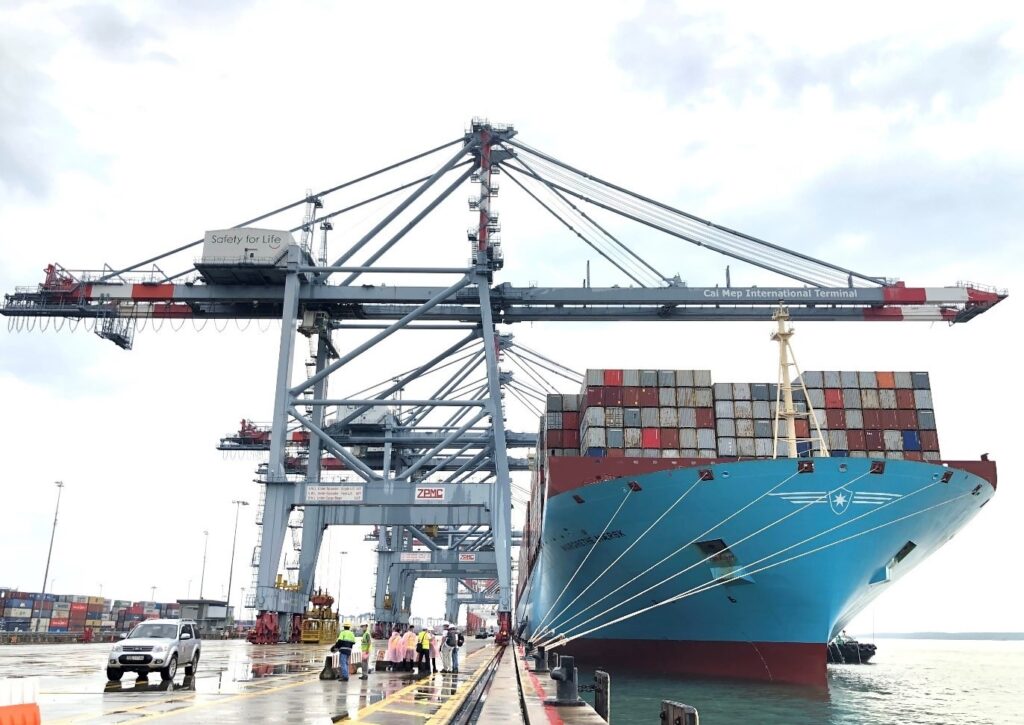
📌 4.How Can You Optimize Sea Freight China to Melbourne Efficiency & Cost?
Here are strategies and best practices to improve cost-effectiveness and reliability:
- Consolidate LCL shipments into full containers
- Negotiate annual or multi-shipment contracts with carriers
- Book early to avoid peak-season rate surcharges
- Use port-to-door or door-to-door service for smoother coordination
- Monitor currency fluctuation, fuel surcharges, and commodity cycles
- Use backhaul routes when possible to get lower rates
- Employ freight forwarding partners with visibility tools and tracking
Including long-tail phrases like “optimize China to Australia sea freight cost” or “efficient shipping China to Melbourne logistics solutions” can guide service providers to propose tailored strategies.
5. Why Sea Freight China to Melbourne Is a Strategic Choice
Some compelling reasons make this option essential:
- Cost efficiency at scale — per-unit cost drops as volume rises
- Global trade growth & Chinese export strength — Australia is a key trading partner
- Sustainability factors — sea shipping emits less CO₂ per ton-km than air freight
- Technological improvements — real-time tracking, smart containers, digitization
- Trade policies & free trade agreements — could reduce tariffs or offer incentives
As trade evolves, staying informed on “shipping trends China to Australia,” “digital logistics,” and “green maritime shipping” helps maintain a competitive supply chain.
6.How to Select a Freight Forwarder for Sea Freight China to Melbourne?
The right partner makes a difference. Consider the following criteria:
- Proven experience and reputation in China–Australia lane
- Broad network of partners at both origin and destination
- Transparent, itemized costing (surcharges, port fees, customs fees)
- Tracking, visibility, customer support in your time zone
- Flexibility, scalability, contingency planning
Search with long-tail phrases like “best China to Melbourne sea freight forwarder 2025” or “Australia import freight agent China” when making inquiries. Always compare quotes, references, and service level agreements.
7.Conclusion
If you’re ready to simplify your sea freight China to Melbourne journey, reach out today for a custom quote, route comparison, and end‑to‑end service. Secure your shipment’s success with expert guidance and precise logistics execution.
8. Request a Quote
China Top Freight offers:
- ✅ Origin and Destination Countries
- ✅ Cargo Type and Volume
- ✅ Preferred Transport Method (Air, Sea, Rail, Road)
- ✅ Delivery Timeline
- ✅ Special Handling Requirements (if any)
💬9. FAQ
Q: What factors most affect sea freight China to Melbourne cost?
Cost is influenced by container size, fuel surcharges, port fees, seasonality, distance, surcharges, and transshipment steps.
Q: How frequent are sailings from China to Melbourne?
Major shipping lines offer weekly or biweekly services depending on the Chinese port and Australian demand.
Q: Can I ship perishable goods via sea freight to Melbourne?
Perishable goods require reefer containers, tight scheduling, and pre‑approval; otherwise, air freight may be more viable.
Q: Are customs inspections common on Australia imports?
Yes, particularly for goods subject to biosecurity, classification issues, or missing documentation — plan buffer time.
Q: Do I need marine insurance for sea freight?
Marine insurance is strongly recommended to protect goods against loss, damage, or delay over ocean voyages.