

- By kelly
- September 29, 2025
- Logistics Guide
Train Freight from China to Europe: The Complete Guide for 2025

Train freight from China to Europe has become a powerful alternative to sea and air shipping. Businesses looking for cost-effective, reliable, and faster solutions now consider rail freight as a vital link in their supply chain. With competitive shipping costs, flexible delivery schedules, and secure transport, rail freight offers importers and exporters a practical middle ground between air speed and sea affordability.
1. What Is Train Freight from China to Europe?
Train freight from China to Europe refers to rail cargo transport along the China–Europe Railway Express, which connects Chinese cities like Chongqing, Yiwu, and Xi’an with major European hubs such as Hamburg, Warsaw, Madrid, and Duisburg.
Unlike sea freight that takes over a month, or expensive air freight, rail provides a balanced solution: cost-effective, relatively fast, and eco-friendly.
2. Why Choose Rail Freight Over Sea and Air Shipping?
| Method | Average Transit Time | Cost Level | Cargo Capacity | Pros | Cons |
|---|---|---|---|---|---|
| Sea Freight | 30–40 days | Low | Very High | Cheapest option for bulk cargo | Long transit time |
| Air Freight | 5–9 days | Very High | Limited | Fastest option, good for urgent cargo | High cost |
| Rail Freight | 15–20 days | Medium | High | Cost-effective, eco-friendly, reliable | Slightly limited routes |
Rail freight is often 50% faster than sea shipping and 60% cheaper than air freight, making it a smart option for businesses balancing speed and budget.
3. How Long Does Train Freight from China to Europe Take?
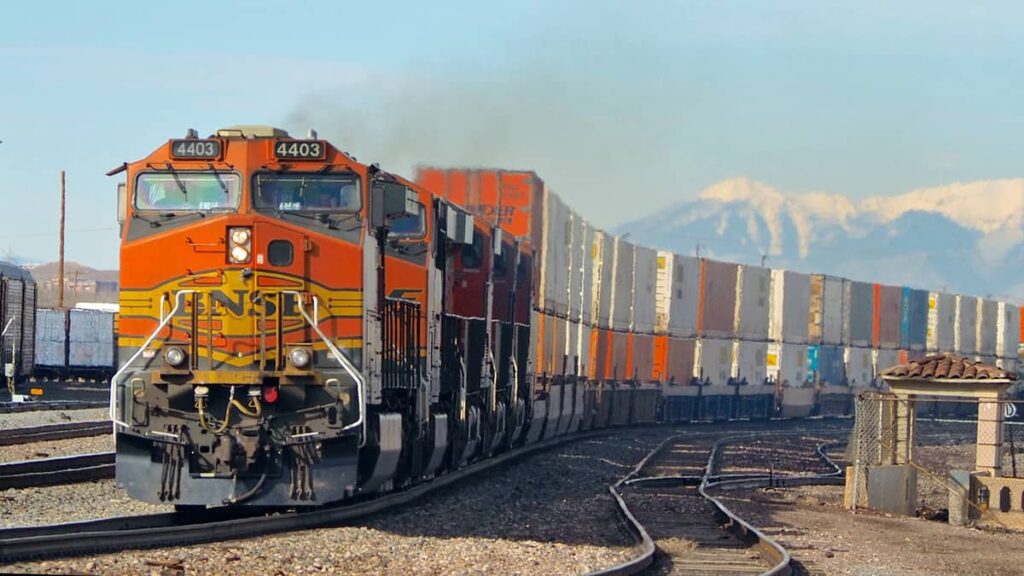
Transit times depend on departure and arrival hubs.
| Route Example | Average Transit Time |
|---|---|
| Xi’an to Hamburg | 15–18 days |
| Chongqing to Warsaw | 14–17 days |
| Yiwu to Madrid | 18–21 days |
| Chengdu to Duisburg | 16–19 days |
While delays can occur due to customs, weather, or border controls, rail maintains a relatively stable schedule compared to congested sea routes.
4. What Are the Costs of Train Freight from China to Europe?
Costs depend on cargo size, weight, and final destination.
| Cargo Type | Estimated Cost (per CBM) | Notes |
|---|---|---|
| LCL (Less than Container Load) | $120–$160 | Ideal for small shipments |
| FCL 20ft Container | $4,500–$6,000 | Cost-effective for medium cargo |
| FCL 40ft Container | $8,000–$10,500 | Best for larger loads |
Prices can fluctuate due to seasonal demand, fuel surcharges, and customs fees.
5. What Types of Goods Suit Rail Freight?
Rail freight is ideal for:
- Electronics and machinery
- Fashion and textile products
- Automotive parts
- Pharmaceuticals and medical equipment
- Perishables with moderate shelf life
Hazardous or oversized cargo may face restrictions, so always confirm before booking.
6. What Customs Documents Are Needed for Train Freight?
A smooth customs clearance process is crucial. Typical documents include:
| Document Required | Purpose |
|---|---|
| Commercial Invoice | Details value of goods |
| Packing List | Cargo details |
| Bill of Lading / Rail Waybill | Proof of shipment |
| Certificate of Origin | Confirms source country |
| Import/Export Licenses | For restricted goods |
| Insurance Certificate | Ensures cargo safety |
Working with an experienced freight forwarder helps avoid delays at borders.

7. Can Train Freight Handle FCL and LCL Cargo?
Yes. Rail freight supports both Full Container Load (FCL) and Less than Container Load (LCL) shipments.
- FCL Rail Freight: Recommended for larger shipments; secure, cost-effective per unit.
- LCL Rail Freight: Allows businesses to share container space, reducing costs for smaller volumes.
8. Pros and Cons of Train Freight from China to Europe
| Advantages | Disadvantages |
|---|---|
| Faster than sea freight | More expensive than ocean shipping |
| Cheaper than air freight | Limited network compared to air/sea |
| Eco-friendly, lower CO2 emissions | Possible border delays |
| Reliable schedules and fixed routes | Weight restrictions on certain cargo |
| Safer handling of high-value products | Seasonal fluctuations in price |
9. How Does Rail Freight Fit into Your Supply Chain Strategy?
For companies importing from China, rail freight provides a balanced logistics solution. It reduces lead times compared to sea transport, supports just-in-time delivery models, and ensures predictable schedules.
Therefore, many businesses combine rail with sea and air shipping to diversify risk and maintain supply chain flexibility.
10. Should You Work with a Freight Forwarder for Train Freight?
Absolutely. A professional freight forwarder:
- Manages customs clearance and documentation
- Provides cargo tracking and insurance
- Negotiates better rates with rail operators
- Coordinates multimodal solutions (rail + truck delivery)
Partnering with an experienced forwarder reduces stress and ensures compliance.
11. Train Freight vs Multimodal Shipping – Which Is Better?
In some cases, combining rail freight with sea or air is more efficient.
- Rail + Truck: Flexible final delivery to inland destinations.
- Sea + Rail: Cheaper for bulk cargo but faster inland delivery than sea alone.
- Air + Rail: Balances urgent shipments with cost savings.
12. Future of Train Freight from China to Europe
With the continued development of the Belt and Road Initiative, rail freight capacity is expanding. Governments and operators are investing in modern infrastructure, digital tracking, and customs harmonization to make train freight even more reliable and competitive.
📦Get a Free Quote
With train freight from China to Europe, your business can enjoy faster transit times than sea, lower costs than air, and reliable service across major trade routes. Partnering with an experienced forwarder ensures smooth customs clearance, competitive pricing, and on-time delivery. Contact us today to request a tailored quote and discover the best rail freight solutions for your company.
❓ Frequently Asked Questions
Q1: How long does train freight from China to Europe usually take?
Most routes take 15–20 days, depending on origin and destination, making rail significantly faster than sea freight.
Q2: Is train freight cheaper than air shipping?
Yes, rail freight is about 50–60% cheaper than air freight while still delivering cargo much faster than sea shipping.
Q3: What goods are best suited for train freight?
Electronics, textiles, machinery, automotive parts, and pharmaceuticals are commonly shipped via rail due to balanced speed and cost.
Q4: Do I need a freight forwarder for rail shipments?
While not mandatory, a freight forwarder simplifies customs, secures better rates, and manages multimodal solutions effectively.
Q5: Can small businesses use train freight?
Yes, through LCL shipments, small businesses can share container space and reduce costs while still enjoying reliable delivery.
Conclusion
Train freight from China to Europe is reshaping global logistics by offering a middle ground between speed and cost. With reliable transit times, competitive pricing, and eco-friendly advantages, rail freight has become a preferred choice for many businesses. Whether you’re shipping small parcels or full containers, this method ensures efficiency and flexibility. Therefore, choosing a reliable freight forwarder can help maximize the benefits of rail freight while ensuring smooth customs clearance and timely delivery.