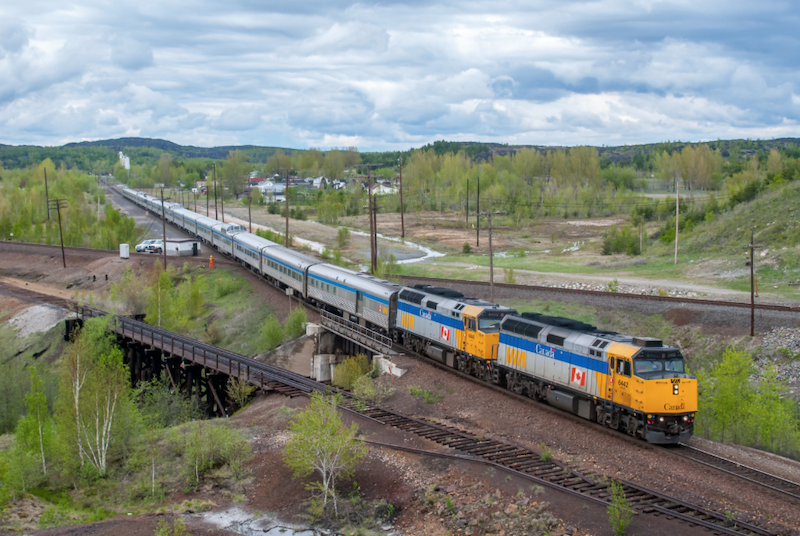
Professional Rail Freight from Shenzhen to Italy: Complete 2025 Guide
Professional rail freight from Shenzhen to Italy is an increasingly popular option for businesses looking to balance cost and speed. As global trade grows, many companies find sea freight too slow and air freight too expensive. Rail freight provides a middle-ground solution, offering faster transit times than sea transport at more affordable rates than air. With professional services, importers benefit from reliable customs clearance, multimodal connections, and efficient delivery schedules.
1. What Is Professional Rail Freight from Shenzhen to Italy?
Rail freight connects Shenzhen, one of China’s largest export hubs, to major European destinations, including Italy. Using the China–Europe Railway Express, goods move through Central Asia and Eastern Europe before reaching Italy by rail or combined rail–truck delivery.
Professional freight forwarding services manage documentation, customs clearance, and last-mile delivery, ensuring shipments arrive smoothly and on schedule.
2. How Long Does Rail Freight Take from Shenzhen to Italy?
Route
Average Transit Time
Notes
Shenzhen – Milan (via Duisburg)
18–22 days
Fastest route, multimodal options
Shenzhen – Verona
20–23 days
Direct connections via rail hubs
Shenzhen – Rome (via Milan + truck)
22–25 days
Includes final trucking leg
Compared to sea freight (30–40 days), rail cuts delivery times by nearly half.
3. What Are the Costs of Rail Freight from Shenzhen to Italy?
Cargo Type
Estimated Cost (USD)
Notes
LCL (1 CBM minimum)
$140–$180 per CBM
Suitable for small volumes
20ft FCL
$4,200–$5,000
Good for medium shipments
40ft FCL
$6,800–$8,200
Cost-efficient for bulk cargo
While more expensive than ocean freight, rail is significantly cheaper than air.
4. How Does Rail Freight Compare with Air and Sea?
Rail freight is best suited for businesses that want a balance between cost and delivery speed.
5. What Documents Are Required for Customs Clearance in Italy?
Document
Purpose
Commercial Invoice
Declares value of goods
Packing List
Confirms shipment contents
Rail Waybill
Official transport document
Certificate of Origin
Determines tariff classification
Import Licenses
Needed for restricted goods
HS Code Declaration
Ensures proper duty calculation
Insurance Certificate
Protects cargo against risks
Professional clearance ensures shipments comply with EU regulations and avoid delays at Italian customs.
6. What Goods Are Suitable for Rail Freight?
Rail freight is ideal for:
Electronics and consumer goods.
Fashion and textiles.
Automotive parts.
Furniture and machinery.
Pharmaceuticals and moderately time-sensitive cargo.
Hazardous or oversized items may face restrictions.
7. Why Choose Professional Rail Freight Services?
Professional forwarders provide:
End-to-end documentation support.
Customs clearance in China and Italy.
Consolidation for LCL shipments.
Cargo tracking and insurance.
Multimodal solutions (rail + truck).
This ensures predictable delivery schedules and reduced risks.
8. Pros and Cons of Professional Rail Freight from Shenzhen to Italy
Pros
Cons
Faster than sea freight
More costly than ocean
Cheaper than air freight
Limited routes and capacity
Eco-friendly, lower CO2 emissions
Potential delays at borders
Reliable scheduling
Weight restrictions for some cargo
9. Which Italian Hubs Handle Rail Freight?
Milan: Largest hub, excellent for Northern Italy and EU distribution.
Verona: Growing intermodal hub with strong links.
Turin: Serves Northwest Italy.
Rome (via Milan): Requires additional trucking.
10. How to Optimize Costs for Rail Freight?
Consolidate shipments to minimize per-unit costs.
Plan ahead to avoid peak-season surcharges.
Work with a reliable forwarder for negotiated rates.
Ensure accurate HS codes to avoid unnecessary duties.
Use bonded warehouses to defer VAT and duties.
11. Future of Rail Freight Between China and Italy
Digital tracking systems for improved visibility.
Eco-friendly initiatives for lower emissions.
Expanded hubs in Northern Italy.
Faster customs integration under EU trade digitalization.
📦Get a Free Quote
With professional rail freight from Shenzhen to Italy, your goods move quickly, safely, and cost-effectively. Contact us today for a free consultation and find the most efficient solution tailored to your shipping needs.
Q1: How long does rail freight from Shenzhen to Italy take?
Most shipments arrive within 18–25 days depending on the destination city.
Q2: Is rail freight cheaper than air?
Yes, rail is 50–60% cheaper while still faster than sea freight.
Q3: Do I need a customs broker in Italy?
Yes, a broker helps avoid delays, ensures VAT compliance, and reduces risks.
Q4: What is the minimum shipment size for rail freight?
Most forwarders accept 1 CBM for LCL shipments.
Q5: Which Italian city is the best hub for rail imports?
Milan is the main hub, with strong distribution links across Europe.
Conclusion
Professional rail freight from Shenzhen to Italy offers businesses a cost-efficient, eco-friendly, and faster alternative to sea freight. With transit times averaging 18–25 days and competitive pricing, rail is ideal for medium to large shipments. Partnering with experienced freight forwarders ensures proper customs clearance, accurate documentation, and smooth delivery to Italian markets.