

- By carlie tj
- September 30, 2025
- Logistics Guide
When businesses need a balance between speed and affordability, professional rail freight from Shenzhen to Netherlands is the solution. With China Top Freight, companies can access reliable schedules, competitive pricing, and expert customs clearance, ensuring goods move seamlessly across Eurasia. Moreover, rail freight offers an eco-friendly alternative to air freight while being faster than sea freight.
1. Why Choose Professional Rail Freight from Shenzhen to Netherlands?
Rail freight combines cost efficiency with speed. Unlike air freight, it avoids high fuel surcharges, and unlike sea freight, it saves weeks of transit time. Additionally, dedicated block trains link Shenzhen with major logistics hubs in the Netherlands, such as Rotterdam and Tilburg, offering direct and predictable services.
2. How Much Does Rail Freight from Shenzhen to Netherlands Cost?
Rail freight rates are typically calculated per container or per CBM for LCL. Costs fluctuate based on demand, cargo type, and season.
| Container Size | Average Cost (USD) | Transit Time | Notes |
|---|---|---|---|
| 20ft Container | $5,200 – $5,800 | 18–22 days | Best for medium-volume cargo |
| 40ft Container | $9,000 – $10,200 | 18–22 days | Cost-effective for bulk cargo |
| LCL Cargo | $150 – $220 per CBM | 18–24 days | Shared container service |
Therefore, compared to air freight, rail can save up to 60% in costs while being much faster than sea.
3. What Is the Transit Time for Rail Freight?
Transit times vary depending on routes and handling:
- Shenzhen – Rotterdam: 18–22 days
- Shenzhen – Tilburg: 20–24 days
- Shenzhen – Venlo: 20–25 days
Additionally, customs procedures at both origin and destination may extend delivery by 2–3 days if documents are incomplete.
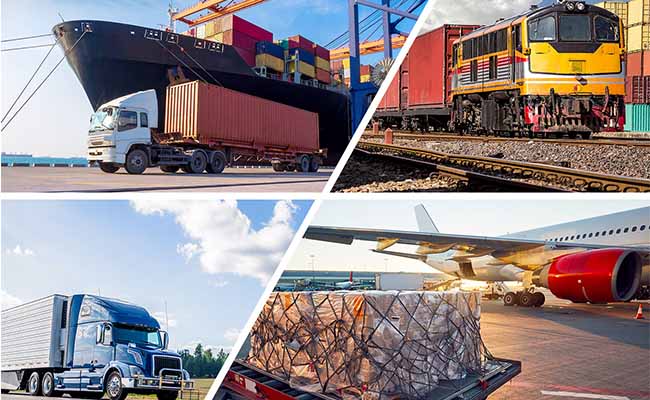
4. How Does Rail Compare with Air and Sea Freight?
| Factor | Rail Freight | Air Freight | Sea Freight |
|---|---|---|---|
| Cost | Moderate | High | Lowest |
| Transit Time | 18–24 days | 5–7 days | 30–40 days |
| Eco-Friendliness | Very high | Low | Moderate |
| Capacity | Medium | Limited | High |
| Predictability | Stable | Very stable | Subject to port delays |
Consequently, rail freight is the ideal middle ground for European importers seeking speed and affordability.
5. What Documents Are Required for Customs Clearance in the Netherlands?
To ensure smooth customs clearance, businesses must provide:
- Bill of Lading (Railway Consignment Note)
- Commercial Invoice
- Packing List
- EORI Number for EU importers
- Certificates of Origin if applicable
- Special Permits for restricted goods
Moreover, working with experienced customs brokers prevents unnecessary fines or delays.
6.How Reliable Is the Rail Freight Network Between China and the Netherlands?
The China–Europe Railway Express connects Shenzhen to multiple Dutch logistics hubs. Dedicated trains operate weekly, offering predictable departures and arrivals. Furthermore, multimodal links allow smooth onward delivery within the EU. This reliability has made rail freight a preferred choice for e-commerce companies.
7.Conclusion
Choosing professional rail freight from Shenzhen to Netherlands ensures businesses achieve a balance of affordability, reliability, and sustainability. Compared with air freight, it saves costs; compared with sea freight, it saves weeks of time. With China Top Freight’s expertise, importers benefit from reliable schedules, streamlined customs clearance, and flexible service options. Secure your supply chain today with professional rail freight solutions tailored to your business needs.
8. Request a Quote
China Top Freight offers:
- ✅ Origin and Destination Countries
- ✅ Cargo Type and Volume
- ✅ Preferred Transport Method (Air, Sea, Rail, Road)
- ✅ Delivery Timeline
- ✅ Special Handling Requirements (if any)
9. FAQ
Q1: What is the average rail freight time to Netherlands?
Transit from Shenzhen to major Dutch hubs typically takes 18–24 days, depending on routes, customs procedures, and final delivery arrangements.
Q2: How does rail freight reduce costs compared to air freight?
Rail freight can cut logistics costs by up to 60% while still offering faster delivery compared to traditional sea freight options.
Q3: Are there restrictions on goods shipped via rail?
Hazardous materials, flammable goods, and certain chemicals are restricted. Always confirm with your freight forwarder before shipping sensitive cargo.
Q4: Can rail freight shipments be tracked in real time?
Yes, GPS-enabled tracking allows businesses to monitor container movement across the Eurasian corridor, providing greater supply chain visibility.
Q5: Which Dutch cities are connected via rail freight?
Key hubs include Rotterdam, Tilburg, and Venlo, all offering excellent connections to inland European destinations and major industrial areas.