

- By carlie tj
- October 1, 2025
- Logistics Guide
When businesses search for efficient and cheap rail freight from Shenzhen to France, they want affordability without sacrificing reliability. With China Top Freight, importers gain access to cost-effective solutions, professional handling, and seamless customs clearance, ensuring goods arrive safely and on schedule.
1. What Makes Rail Freight a Cost-Effective Choice for France?
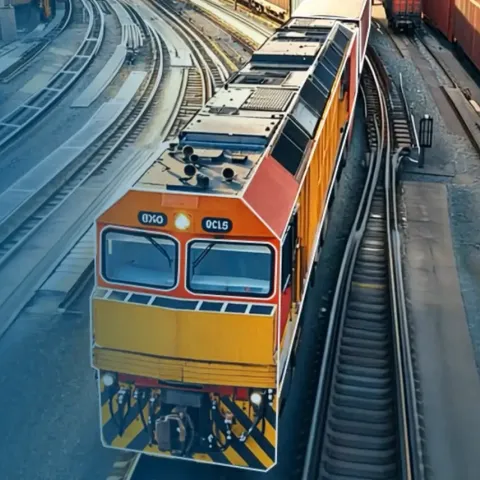
Rail freight offers a middle ground between air and sea. While slower than air, it is much faster than sea freight. Moreover, it is often cheaper than air, making cheap rail freight from Shenzhen to France an ideal solution for importers balancing speed and costs.
2. How Long Does Rail Freight Take from Shenzhen to France?
The average transit time for rail freight between Shenzhen and France ranges from 18–22 days, depending on the route and customs clearance efficiency. Additionally, direct rail links and trans-Eurasian routes improve delivery consistency.
| Shipping Method | Transit Time | Cost (per kg/CBM) | Pros | Cons |
|---|---|---|---|---|
| Rail Freight | 18–22 days | $2 – $4/kg | Faster than sea, cheaper than air | Limited to inland destinations |
| Sea Freight | 30–40 days | $0.5 – $2/kg | Cheapest option, ideal for bulk | Slow, customs delays possible |
| Air Freight | 5–7 days | $6 – $12/kg | Fastest transit, reliable | Expensive for large volumes |
3. Why Choose Shenzhen as a Rail Freight Origin Point?
Shenzhen is a manufacturing hub with established logistics networks. Furthermore, its proximity to major rail terminals in southern China ensures faster consolidation, making it a reliable starting point for rail freight to France.
4. What Are the Cost Factors in Rail Freight?
Costs depend on:
- Cargo weight and volume
- Destination in France (Paris, Lyon, Marseille)
- Type of goods (general, hazardous, high-value)
- Seasonal fluctuations in demand
Additionally, working with an experienced forwarder ensures competitive pricing through carrier partnerships.
5. Do Customs Regulations Affect Rail Freight to France?
Yes, customs clearance plays a critical role. However, forwarders simplify the process by preparing:
- Commercial invoice
- Packing list
- Rail waybill
- Certificates of origin
- Import permits if required
Errors in these documents may cause unnecessary delays.
6.What Are the Pros and Cons of Rail Freight?
Advantages:
- Balanced cost and speed
- Reliable transcontinental networks
- Suitable for diverse cargo types
Disadvantages:
- Limited capacity compared to sea
- Not suitable for extremely urgent deliveries
- Customs procedures can still create delays
7.Conclusion
Choosing cheap rail freight from Shenzhen to France enables businesses to save money while maintaining faster delivery than sea freight. Moreover, with expert support from China Top Freight, importers enjoy transparent pricing, reliable transit, and seamless customs clearance, ensuring supply chains remain strong and competitive.
8. Request a Quote
China Top Freight offers:
- ✅ Origin and Destination Countries
- ✅ Cargo Type and Volume
- ✅ Preferred Transport Method (Air, Sea, Rail, Road)
- ✅ Delivery Timeline
- ✅ Special Handling Requirements (if any)
💬9. FAQ
Q1: Can rail freight deliver goods to all regions of France?
Rail freight reaches major hubs like Paris and Lyon, while inland distribution is handled via road transport from arrival terminals.
Q2: Do I need insurance for rail shipments from Shenzhen to France?
Insurance is highly recommended to cover potential risks like damage, theft, or delays during the long transcontinental journey.
Q3: Should small businesses use LCL rail freight for shipments?
LCL is an excellent option for small businesses, offering affordable rates without the need to fill an entire container.
Q4: Can fragile cargo be shipped by rail to France?
Fragile cargo can be shipped safely with proper packaging, palletization, and professional handling at both origin and destination.
Q5: Do fuel costs impact rail freight pricing?
Fluctuating fuel and operational costs may influence rates, but contracts with forwarders help stabilize pricing for regular shipments.