

- By kelly
- October 1, 2025
- Logistics Guide
Fast Rail Freight from Shenzhen to France: Cost, Time & Customs Guide
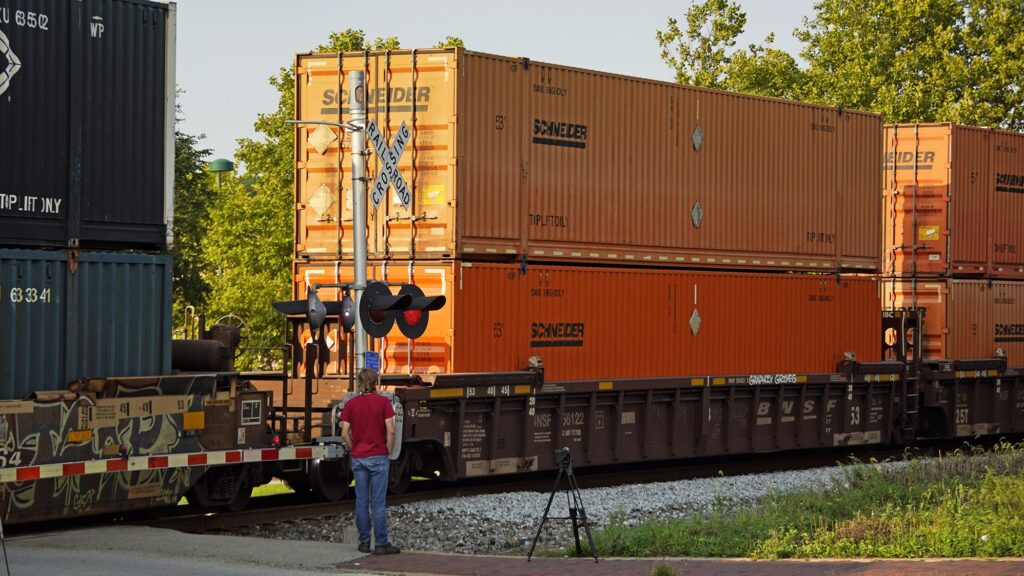
When businesses seek a reliable balance between cost and speed, fast rail freight from Shenzhen to France is one of the best solutions. This shipping method bridges the gap between sea and air freight, offering competitive pricing, shorter transit times, and dependable delivery for European importers.
1. What Makes Fast Rail Freight from Shenzhen to France a Smart Choice?
Rail freight has emerged as a strong alternative to traditional ocean and air shipping. Compared with sea freight, it saves time, and compared with air freight, it saves money. Moreover, the rail network between China and Europe is expanding, making connections to France more reliable each year.
2. How Long Does Rail Freight from Shenzhen to France Take?
Transit times usually range between 18 to 22 days, depending on the service route, customs efficiency, and final destination in France.
| Destination in France | Average Rail Transit Time | Notes |
|---|---|---|
| Paris | 18–20 days | Fastest hub connection |
| Lyon | 19–21 days | Requires inland transfer |
| Marseille | 20–22 days | Slightly longer due to southern location |
Additionally, peak seasons such as pre-Christmas or Chinese New Year may extend delivery times by 2–3 days.
3. How Does Rail Compare with Sea and Air Freight?
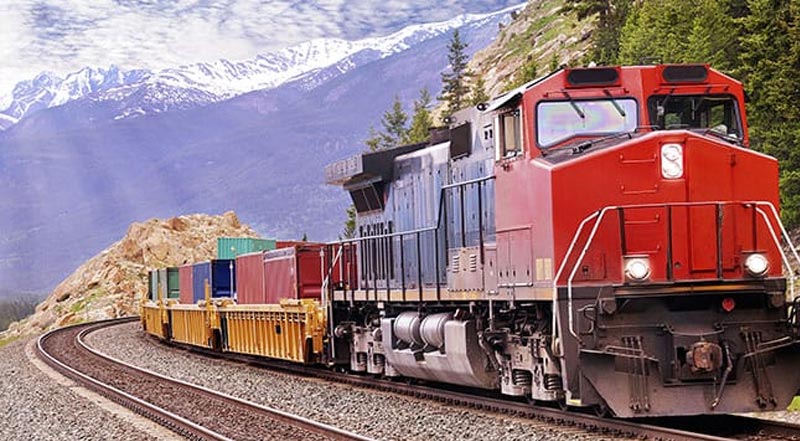
To help importers decide, here is a side-by-side comparison:
| Shipping Method | Transit Time | Cost | Pros | Cons |
|---|---|---|---|---|
| Air Freight | 5–7 days | High | Fastest option, ideal for urgent goods | Expensive for bulky cargo |
| Rail Freight | 18–22 days | Medium | Balanced solution, eco-friendly, reliable | Less flexible than air |
| Sea Freight | 30–40 days | Low | Cheapest option, good for bulk loads | Longest transit time |
Clearly, fast rail freight from Shenzhen to France offers a middle ground—especially for businesses managing inventory costs and time-sensitive shipments.
4. What Are the Shipping Costs for Rail Freight to France?
Rail freight costs are influenced by cargo volume, weight, and type.
| Cargo Type | Average Cost per CBM (USD) | Average Cost per Ton (USD) |
|---|---|---|
| General Goods | $120–$150 | $300–$350 |
| Electronics | $140–$180 | $350–$400 |
| Fashion/Light Goods | $110–$140 | $280–$320 |
Note: Rates vary depending on peak season, rail capacity, and surcharges.
5. What Documents Are Required for Customs Clearance?
Proper customs documentation is critical for smooth entry into France.
| Document | Purpose |
|---|---|
| Commercial Invoice | Proof of transaction |
| Packing List | Details of cargo |
| Bill of Lading / Rail Waybill | Official transport document |
| Import Licenses (if applicable) | For restricted goods |
| Certificate of Origin | Verifies manufacturing country |
Failure to provide accurate paperwork may cause costly delays. Therefore, importers should always double-check with their freight forwarder.
6. Can Sensitive Cargo Be Shipped by Rail Freight?
Yes. With proper packaging and handling, sensitive goods such as electronics, machinery, and textiles can be safely transported. Additionally, many rail operators now offer temperature-controlled containers, making it suitable for pharmaceuticals and certain perishable items.
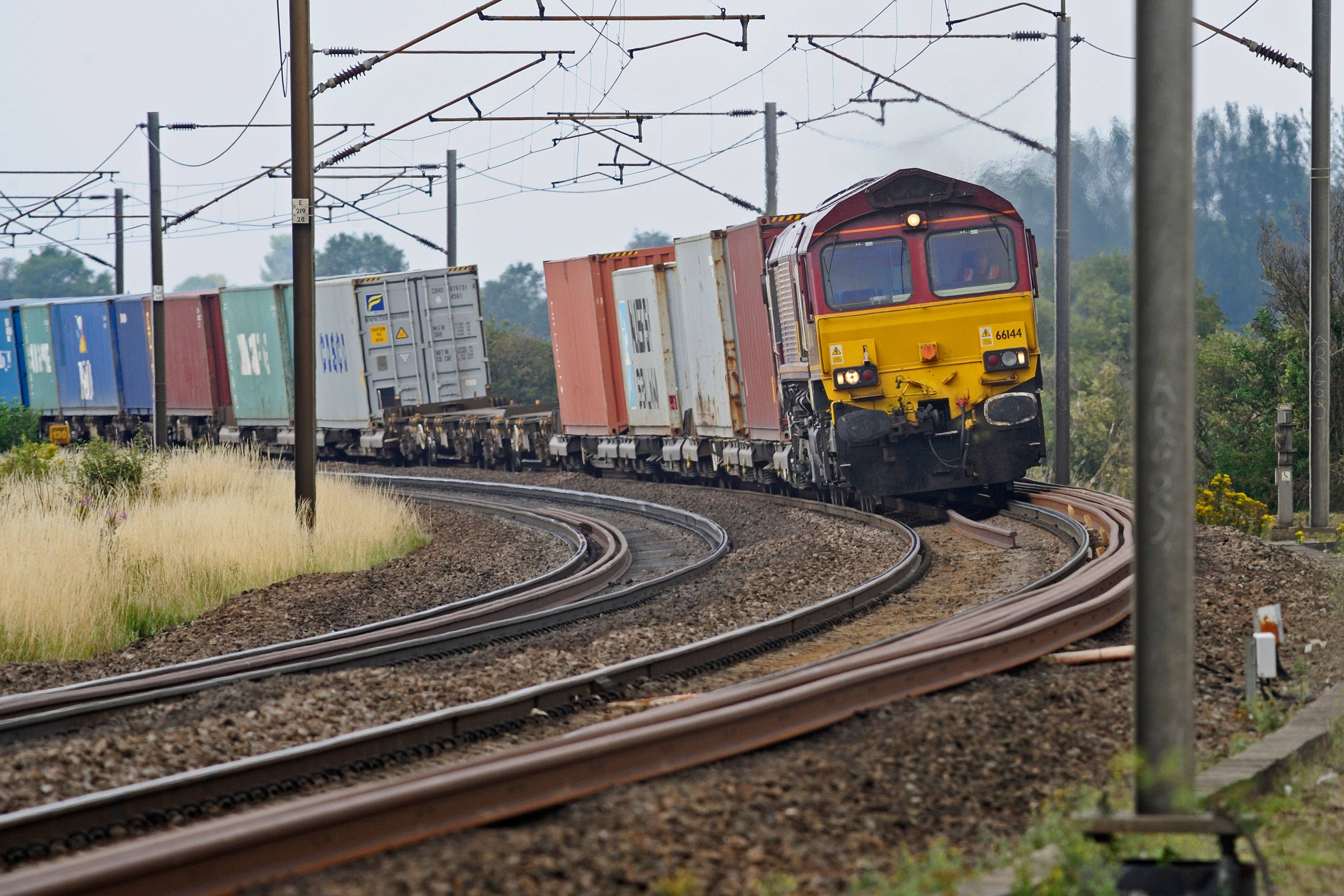
7. Why Is Rail Freight an Eco-Friendly Option?
8. Should Small and Medium Importers Use Rail Freight?
Absolutely. While sea freight is often favored for large volumes, rail freight is highly effective for SMEs that need faster deliveries but cannot afford costly air freight. Moreover, rail services usually allow both FCL (Full Container Load) and LCL (Less than Container Load) options.
9. How Does Supply Chain Reliability Improve with Rail Freight?
The Belt and Road Initiative has enhanced rail connectivity between China and Europe. Consequently, delays are less frequent, schedules are more predictable, and overall supply chain reliability is improved. This stability is crucial for businesses operating in sectors such as retail, automotive, and e-commerce.
10. What Are the Pros and Cons of Choosing Rail Freight?
| Pros | Cons |
|---|---|
| Faster than sea freight | Slower than air |
| More affordable than air freight | Not as cheap as sea |
| Environmentally friendly | Limited flexibility on routes |
| Reliable schedules | Capacity constraints during peak season |
Therefore, businesses should carefully match rail freight to their cargo type, budget, and time sensitivity.
📦Get a Free Quote
Choosing fast rail freight from Shenzhen to France ensures balance between efficiency and affordability. If you want expert guidance, competitive rates, and smooth customs clearance, contact our team today for a free consultation or shipping quote.
❓ Frequently Asked Questions
Q1: What industries benefit most from rail freight from Shenzhen to France?
Industries such as fashion, automotive, electronics, and e-commerce benefit the most, thanks to rail’s speed, reliability, and mid-level costs.
Q2: Do rail freight services from Shenzhen to France include door-to-door delivery?
Many forwarders provide door-to-door delivery, covering export clearance, rail transport, customs in France, and final local trucking.
Q3: Is insurance necessary for rail freight shipments?
Yes, cargo insurance is highly recommended to protect against potential loss or damage, especially for high-value or fragile goods.
Q4: Can dangerous goods be transported by rail freight?
Yes, but dangerous goods require special documentation, approvals, and compliance with strict international transport regulations to ensure safety.
Q5: How can I reduce rail freight costs from China to France?
You can reduce costs by consolidating shipments, booking early, avoiding peak seasons, and negotiating rates through experienced freight forwarders.
Conclusion
In summary, fast rail freight from Shenzhen to France provides an ideal middle-ground shipping solution—quicker than sea freight yet cheaper than air freight. With proper documentation, reliable transit times, and eco-friendly benefits, rail freight is an excellent choice for importers seeking efficiency and affordability.