

- By kelly
- October 2, 2025
- Logistics Guide
Food Products Sea Freight China to Europe: Complete Guide for Importers
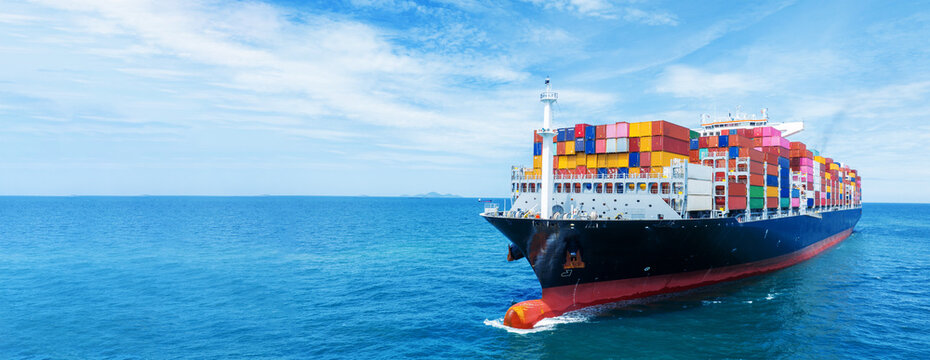
Global food trade between Asia and Europe is booming, and food products sea freight China to Europe remains the most cost-effective logistics solution. With China Top Freight, businesses can ship frozen foods, packaged goods, beverages, and raw ingredients securely in containers designed to maintain quality while meeting EU regulations.
1. Why Choose Sea Freight for Food Products?
Sea freight is the backbone of international food logistics. It balances cost and volume, making it ideal for bulk shipments like canned food, rice, sauces, beverages, frozen meat, and seafood. Compared to air freight, it is significantly cheaper, though slower.
2. How Long Does Sea Freight Take from China to Europe?
| Route | Average Transit Time (FCL) | Notes |
|---|---|---|
| China – Rotterdam (Netherlands) | 30–35 days | Gateway for EU distribution |
| China – Hamburg (Germany) | 32–38 days | Central Europe access |
| China – Antwerp (Belgium) | 30–36 days | Key food logistics hub |
| China – Barcelona (Spain) | 28–34 days | Popular for Mediterranean markets |
Long-tail keywords: “frozen food shipping China to Europe,” “container shipping canned goods,” “sea freight transit time China to Rotterdam.”
3. FCL vs LCL: Which Is Better for Food Shipments?
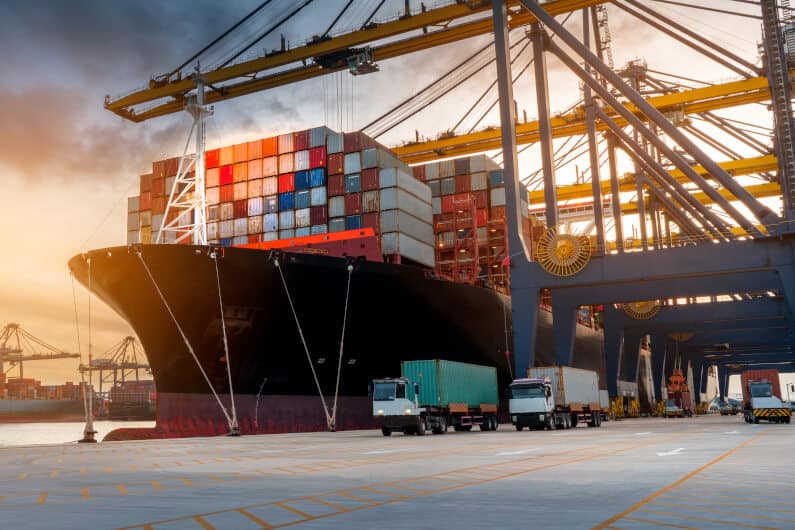
| Mode | Best For | Pros | Cons |
|---|---|---|---|
| FCL (Full Container Load) | Large shipments | Faster, secure, cost-effective per unit | Higher upfront cost |
| LCL (Less than Container Load) | Small shipments | Flexible, share space | Longer clearance, more handling |
4. What Types of Containers Are Used for Food Freight?
- Dry Containers (20ft/40ft): Packaged dry food, canned goods, beverages
- Reefer Containers (20ft/40ft): Frozen meat, seafood, dairy, fruit, vegetables
- Insulated Containers: Maintain temperature stability during transit
- Flexitanks: Bulk liquid food such as juice, wine, or edible oil
5. How Much Does It Cost to Ship Food Products by Sea?
Sea freight rates vary depending on container size, commodity type, and season. As of 2025:
| Container Type | Cost Estimate | Cargo Example |
|---|---|---|
| 20ft Dry Container | $1,800 – $2,400 | Canned food, beverages |
| 40ft Dry Container | $3,200 – $4,200 | Bulk packaged food |
| 40ft Reefer Container | $4,500 – $6,000 | Frozen seafood, meat, fruits |
| LCL Cargo | $90 – $150 per CBM | Small consignments |
6. What Customs Requirements Apply in Europe?
Food imports into Europe are strictly regulated. Importers must provide:
- Commercial Invoice & Packing List
- Bill of Lading
- Certificate of Origin
- Phytosanitary or Health Certificates (for plant/animal products)
- EU Importer of Record registration
- HS Codes for classification
- Compliance with EU food safety standards (HACCP, EFSA rules)
7. Which Food Products Are Most Commonly Shipped by Sea?
- Frozen seafood and meat (reefer required)
- Dry packaged food such as rice, noodles, sauces, flour
- Beverages including bottled water, juice, wine
- Canned food for long shelf-life distribution
- Dairy products (cheese, milk powder, yogurt)
8. Challenges of Food Sea Freight China to Europe
- Long transit times increase risk of spoilage
- Strict EU customs inspections and possible delays
- Seasonal surcharges raising shipping costs
- Reefer container shortages during peak periods
9. How to Minimize Risks When Shipping Food Products?
- Book reefer containers in advance
- Use temperature and humidity monitoring devices
- Ensure proper palletization and labeling
- Work with certified freight forwarders familiar with EU import rules
10. Why Work with a Freight Forwarder for Food Shipping?
An experienced forwarder like China Top Freight provides:
- Reefer container booking priority
- Consolidation for smaller LCL food shipments
- Expertise in EU food customs clearance
- Insurance and cargo monitoring services
- Delivery to European distribution hubs and warehouses
📦Get a Free Quote
Importing food products requires compliance, precision, and reliable logistics. If you’re looking for sea freight China to Europe for food products, our team ensures smooth clearance, on-time delivery, and cost savings. Get in touch today for a tailored quote.
❓ Frequently Asked Questions
Q1. Can frozen food be shipped by sea from China to Europe?
Frozen seafood and meat are shipped in reefer containers maintaining -18°C or below, ensuring quality during 30–35 day transit times.
Q2. What documents are required for food imports into Europe?
Essential documents include health certificates, commercial invoice, packing list, bill of lading, and EU customs-compliant HS codes.
Q3. Which ports are best for food imports into Europe?
Rotterdam, Hamburg, Antwerp, and Barcelona are major gateways with specialized cold-chain facilities for food distribution across Europe.
Q4. Are reefer containers more expensive than dry containers?
Yes, reefer containers cost more due to specialized refrigeration equipment, energy use, and higher demand during peak export seasons.
Q5. How are duties calculated on food imports into the EU?
Duties are based on CIF value (Cost + Insurance + Freight) and depend on the HS code classification of the specific food product.
Conclusion
The food products sea freight China to Europe trade route is vital for bulk imports of frozen, canned, and packaged goods. With the right choice of FCL or LCL, appropriate container type, and proper customs documentation, importers can ensure cost-efficient and safe delivery. Partnering with a professional freight forwarder helps reduce delays, manage reefer equipment, and maintain compliance with EU food safety standards.