

- By kelly
- October 2, 2025
- Logistics Guide
Shipping Requirements for Home Goods from China to UK: Complete Guide for Importers
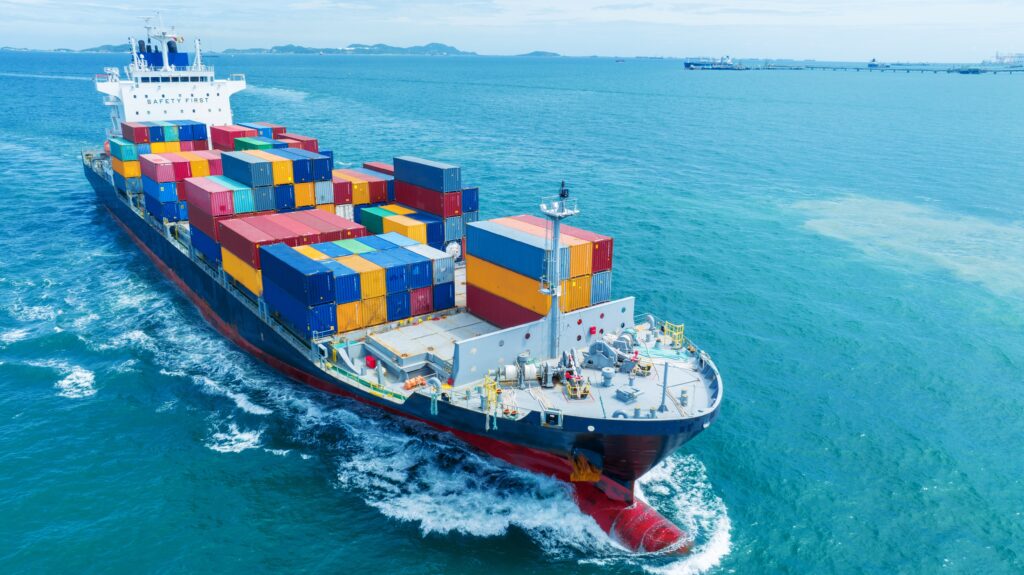
When sourcing furniture, kitchenware, textiles, and electronics from Asia, understanding the shipping requirements for home goods from China to UK is essential. Importers face challenges with customs, packaging rules, and shipping costs, but with proper planning, these can be managed efficiently. This guide covers transit times, documents, methods, and compliance steps to ensure smooth logistics.
1. What Are the Key Shipping Requirements for Home Goods from China to UK?
Shipping home goods requires compliance with both Chinese export rules and UK import regulations. Key requirements include:
- Proper classification under HS codes for correct duties.
- Compliance with UK safety standards, especially for electrical appliances and furniture.
- Accurate documentation including invoices, packing lists, and certificates.
- Packaging requirements to avoid damage in long transit.
Failure to meet these requirements can result in customs delays, penalties, or returned shipments.
2. How Long Does Shipping Home Goods from China to UK Take?
Transit time depends on the chosen shipping method:
| Shipping Method | Average Transit Time | Notes |
|---|---|---|
| Sea Freight (FCL) | 30–40 days | Best for bulk home goods like furniture |
| Sea Freight (LCL) | 35–45 days | Shared container, slower handling |
| Air Freight | 5–9 days | Faster, higher cost, best for urgent orders |
| Rail Freight | 18–25 days | Reliable mid-point between sea and air |
Planning ahead ensures timely arrival and prevents supply chain disruptions.
3. What Documents Are Required for Importing Home Goods?
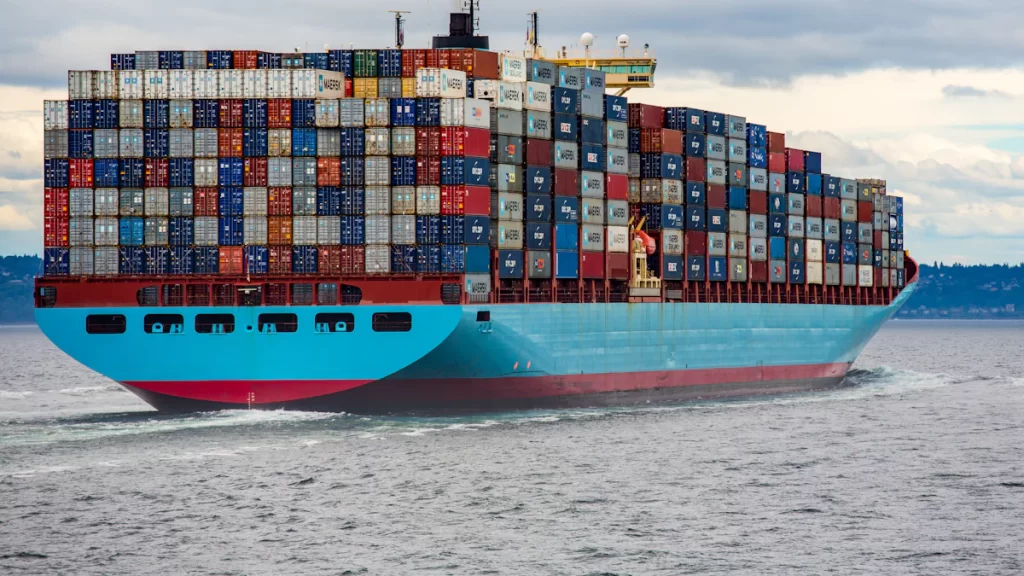
Importers must prepare specific documents to comply with UK customs:
| Document | Purpose |
|---|---|
| Bill of Lading / Air Waybill | Proof of shipment contract |
| Commercial Invoice | Declares value and description |
| Packing List | Details contents of shipment |
| Certificate of Origin | Confirms manufacturing country |
| Import License (if required) | For restricted home goods |
| Product Compliance Certificates | CE marking for electronics, fire-safety for textiles, etc. |
4. How Much Does It Cost to Ship Home Goods from China to UK?
Freight charges vary based on method, volume, and product category.
| Container Type | Estimated Cost | Best For |
|---|---|---|
| 20ft Container | $1,800 – $2,500 | Small furniture sets, home décor |
| 40ft Container | $3,000 – $4,500 | Large volume shipments |
| Air Freight (per kg) | $5 – $9 | Electronics, urgent small orders |
| Rail Freight (per CBM) | $120 – $180 | Medium-size shipments inland UK |
Costs fluctuate due to oil prices, seasonal demand, and port surcharges.
5. Should You Choose FCL or LCL for Home Goods Shipping?
| Method | Pros | Cons |
|---|---|---|
| FCL (Full Container Load) | Lower cost per unit, secure handling | Requires larger order volumes |
| LCL (Less than Container Load) | Cost-effective for small shipments | Longer handling, risk of cargo mixing |
For fragile or high-value home goods, FCL is generally safer and more efficient.
6. How Does Customs Clearance Work in the UK for Home Goods?
The UK requires:
- Customs Declaration Service (CDS) filing before entry.
- Duty and VAT payments based on declared value and HS codes.
- Physical inspections for restricted categories like electronics and textiles.
Importers should partner with a reliable customs broker to avoid clearance delays.

7. Do Home Goods Need Compliance Certifications?
Yes, especially for safety-regulated categories:
- Furniture must meet fire-safety standards.
- Electrical appliances require CE or UKCA marking.
- Textiles may need labelling for fiber content.
- Toys and household items must meet EU/UK consumer safety regulations.
Non-compliance can lead to product recalls or import bans.
8. What Are the Pros and Cons of Different Shipping Methods?
| Shipping Method | Pros | Cons |
|---|---|---|
| Sea Freight | Cheapest, large volumes | Long transit time |
| Air Freight | Fastest, ideal for urgent orders | Expensive, limited cargo size |
| Rail Freight | Faster than sea, cheaper than air | Limited routes, inland delivery required |
9. How to Reduce Shipping Costs for Home Goods?
- Plan shipments off-peak to avoid seasonal surcharges.
- Consolidate cargo to save on LCL rates.
- Negotiate long-term contracts with forwarders.
- Use FCL when possible for lower unit costs.
10. What Packaging Requirements Apply to Home Goods?
- Furniture should be crated or palletized with protective wrapping.
- Glassware and ceramics need shock-proof packaging.
- Textiles must be packed in moisture-resistant materials.
- Electronics require anti-static and reinforced packaging.
Proper packaging reduces the risk of claims and insurance disputes.
11. Do Importers Need Insurance for Home Goods Shipments?
Yes, cargo insurance is highly recommended due to:
- Long transit times.
- Risk of damage from handling.
- Possible theft during transshipment.
Insurance ensures compensation in case of loss or damage.
📦Get a Free Quote
Before arranging your next shipment, ensure you fully understand the shipping requirements for home goods from China to UK. Our team provides expert support in customs clearance, freight booking, and compliance consulting, helping you save time and money. Contact us today to request a tailored shipping quote.
❓ Frequently Asked Questions
Q1: Can I ship fragile home goods like glass and ceramics by sea freight?
Yes, but they must be packaged in shock-proof materials, palletized, and insured to minimize damage risks during long transit.
Q2: Do I need an import license for home goods from China?
Most home goods do not need a license, but restricted categories like electronics may require additional compliance documents.
Q3: What is the cheapest way to ship furniture from China to UK?
Full container load (FCL) sea freight is the cheapest option, especially for bulk furniture orders, reducing per-unit shipping cost.
Q4: How much VAT do I pay on imported home goods?
VAT is typically 20% on the total value, including goods, freight, and insurance, though exemptions apply to certain categories.
Q5: Can I track my shipment of home goods in real time?
Yes, most freight forwarders provide digital tracking systems, allowing importers to monitor cargo from departure to UK port arrival.
Conclusion
Successfully importing home goods requires full knowledge of shipping requirements for home goods from China to UK. From customs compliance and packaging to choosing the right freight method, every step impacts cost and efficiency. With professional guidance, importers can streamline logistics, avoid delays, and ensure safe delivery. Ultimately, careful planning and reliable freight forwarding partnerships make international shipping smooth and profitable.