

- By carlie tj
- October 11, 2025
- Logistics Guide
Finding a reliable partner for trusted rail freight from Shenzhen to Netherlands is essential for businesses aiming to balance cost and transit efficiency. At China Top Freight, we provide seamless rail solutions, smooth customs clearance, and cost-effective alternatives to air and sea freight. Moreover, our expertise helps companies reduce shipping risks while ensuring consistent delivery schedules.
1. Why Choose Trusted Rail Freight from Shenzhen to Netherlands?
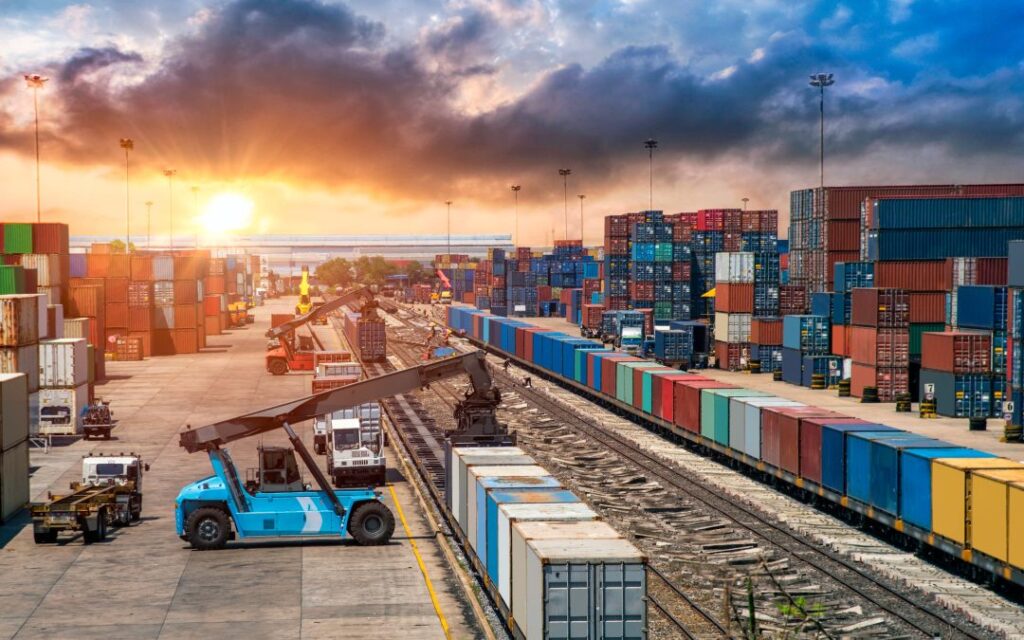
Rail freight is becoming increasingly popular because it offers faster transit than sea freight and is more affordable than air freight. Additionally, it provides a greener solution by reducing carbon emissions. For companies trading between China and Europe, rail freight offers stability and competitive pricing.
2. How Does Rail Freight from Shenzhen to Netherlands Work?
The process involves several key steps:
- Cargo collection from supplier in Shenzhen
- Export customs clearance in China
- Rail transport across Asia and Eastern Europe
- Import customs clearance in the Netherlands
- Last-mile delivery to consignee
Each stage requires coordination, but a professional freight forwarder ensures smooth handling and compliance.
3. What Are the Advantages of Rail Freight over Other Modes?
| Shipping Method | Transit Time | Cost Level | Best For | Advantages | Disadvantages |
|---|---|---|---|---|---|
| Rail Freight | 18–22 days | Medium | Mid-volume, mixed goods | Balanced speed and cost, eco-friendly | Limited flexibility compared to air |
| Air Freight | 5–8 days | High | Urgent shipments | Fastest delivery, high reliability | Expensive for bulky goods |
| Sea Freight | 30–40 days | Low | Heavy, bulk cargo | Cheapest per unit, ideal for containers | Longest transit time |
Rail freight strikes an excellent balance for companies seeking both speed and affordability.
📌 4. Can Rail Freight Handle All Types of Cargo?
Rail freight is suitable for most general goods such as electronics, textiles, auto parts, and machinery. However, hazardous materials and highly perishable items may require special approval or alternative transport.
5. Should Businesses Use Rail Freight Instead of Sea or Air?
Choosing the right mode depends on your needs:
- Air Freight: Best for urgent, high-value cargo
- Sea Freight: Best for bulk, low-cost shipments
- Rail Freight: Best for balanced speed and cost
Therefore, businesses seeking stability and competitive pricing often prefer rail freight.
6.What Are the Costs of Rail Freight from Shenzhen to Netherlands?
Costs depend on shipment size, weight, and service requirements.
| Cargo Type | Average Rate (USD) | Notes |
|---|---|---|
| LCL (per CBM) | $180–$250 | Best for smaller shipments |
| FCL 20GP | $3,200–$3,800 | General goods |
| FCL 40HQ | $5,500–$6,500 | Large shipments |
Rail freight rates are usually more stable than air, particularly during peak seasons.
7.Conclusion
Choosing trusted rail freight from Shenzhen to Netherlands helps businesses reduce costs, shorten delivery times, and improve supply chain reliability. With expert documentation handling, transparent pricing, and strong rail connections, China Top Freight ensures shipments move smoothly across borders. Whether you are an SME or a large corporation, rail freight provides a sustainable and cost-effective logistics solution.
8. Request a Quote
China Top Freight offers:
- ✅ Origin and Destination Countries
- ✅ Cargo Type and Volume
- ✅ Preferred Transport Method (Air, Sea, Rail, Road)
- ✅ Delivery Timeline
- ✅ Special Handling Requirements (if any)
💬9. FAQ
Q1: How reliable is rail freight compared to air and sea?
Rail freight is highly reliable, offering stable schedules, fewer weather disruptions, and faster transit compared to sea freight, though slower than air.
Q2: Can small shipments be sent via rail freight?
Yes, rail freight supports LCL shipments, making it ideal for small and medium businesses that cannot fill entire containers but want cost savings.
Q3: What industries benefit most from rail freight to the Netherlands?
Industries like electronics, automotive, textiles, and machinery benefit significantly due to balanced speed, predictable costs, and secure containerized transport.
Q4: How can customs clearance delays be avoided?
Delays can be reduced by preparing accurate documents, ensuring correct HS codes, and working with professional freight forwarders for compliance.
Q5: Are there environmental benefits of rail freight over air or sea?
Rail freight produces significantly fewer emissions than air freight and is more eco-friendly than sea, supporting sustainable supply chain practices.