

- By ayla tj
- October 11, 2025
- Logistics Guide
Shipping goods across continents can be a daunting task for importers and exporters. Choosing trusted rail freight from Shenzhen to Belgium ensures cost-effective, eco-friendly, and time-efficient solutions compared to traditional sea or air freight. For businesses in Europe looking to optimize their supply chain while reducing shipping costs, rail freight from China provides the perfect balance.

Why Choose Trusted Rail Freight from Shenzhen to Belgium?
Rail freight has become increasingly popular due to its balance between affordability and speed. Unlike sea freight, which may take over a month, rail transport cuts delivery times significantly while avoiding the high rates of air cargo. Additionally, rail offers a reliable schedule, making it attractive for companies seeking predictable supply chain operations.
What Is the Average Transit Time for Rail Freight?
The transit time for rail freight between Shenzhen and Belgium typically ranges from 18–22 days, depending on customs clearance and routing.
| Route | Transit Time (Days) | Notes |
|---|---|---|
| Shenzhen → Duisburg (Germany) | 18–20 | Major rail hub before Belgium |
| Shenzhen → Antwerp (Belgium) | 20–22 | Direct connection |
| Shenzhen → Liege (Belgium) | 19–21 | Air-rail combined solutions |
Compared to sea freight (35–40 days) and air freight (5–7 days), rail remains the ideal middle-ground for cost and speed.
How Does Rail Freight Compare with Other Shipping Methods?
| Shipping Method | Average Cost (per CBM) | Transit Time | Pros | Cons |
|---|---|---|---|---|
| Air Freight | $6–$8 | 5–7 days | Fastest, ideal for urgent goods | Very expensive, limited volume |
| Sea Freight | $1–$2 | 35–40 days | Cheapest, suitable for bulk goods | Very slow, delays common |
| Rail Freight | $3–$4 | 18–22 days | Cost-effective, eco-friendly, predictable | Limited capacity, requires planning |
Rail freight is often referred to as the “golden mean,” offering businesses reliable solutions without overspending.
What are you waiting for?
Contact chinatopfreight for a fast, free quote.
Are you ready to book?
Access live instant freight quotes
What Types of Goods Can Be Transported via Rail Freight?
Most general cargo can be shipped via rail, including:
- Electronics and consumer goods
- Automotive parts and machinery
- Clothing and textiles
- Furniture and home goods
- Food products (non-perishable)
However, restricted items such as hazardous chemicals or oversized cargo may face additional requirements.
Should You Choose FCL or LCL Rail Freight?
Full Container Load (FCL)
- Best for companies with large volumes.
- Lower per-unit shipping cost.
- Faster handling at terminals.
Less than Container Load (LCL)
- Ideal for SMEs shipping smaller batches.
- Flexible for e-commerce orders.
- Shared container space reduces expenses.
| Option | Container Size | Average Cost | Best For |
|---|---|---|---|
| FCL | 20GP | $5,500–$6,000 | Bulk shipments |
| FCL | 40HQ | $7,800–$8,500 | High-volume goods |
| LCL | Per CBM | $150–$200 | Small/medium businesses |
What Documents Are Required for Rail Freight?
Customs clearance is a vital part of rail freight shipping.
| Required Document | Purpose |
|---|---|
| Commercial Invoice | Proof of sale and customs valuation |
| Packing List | Detailed description of shipped goods |
| Bill of Lading / Rail Waybill | Evidence of contract of carriage |
| Certificate of Origin | Required for duty calculation and trade benefits |
| Import License (if needed) | For restricted products |
| Customs Declaration Form | Submitted for clearance |
Ensuring correct paperwork avoids costly delays and penalties.
How Much Does Rail Freight from Shenzhen to Belgium Cost?
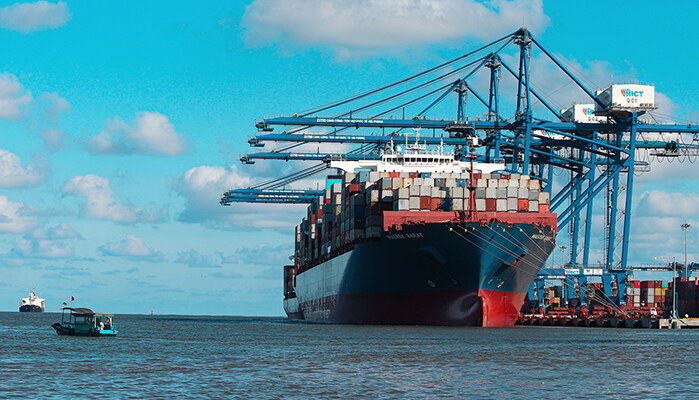
The cost depends on factors such as cargo type, volume, and service provider. On average:
- LCL shipments: $150–$200 per CBM
- 20GP FCL container: $5,500–$6,000
- 40HQ FCL container: $7,800–$8,500
While rail freight is not as cheap as sea freight, it offers better delivery times and predictable schedules, making it a smart trade-off for businesses.
What Are the Pros and Cons of Rail vs. Sea vs. Air Freight?
| Method | Pros | Cons |
|---|---|---|
| Air Freight | Fastest, reliable for urgent shipments | Highest cost, limited cargo capacity |
| Sea Freight | Lowest cost, high capacity | Very slow, delays common |
| Rail Freight | Balanced cost and speed, eco-friendly | Limited flexibility, specific routes |
Can Rail Freight Reduce Carbon Emissions?
Yes. Rail freight is one of the most eco-friendly logistics solutions. Studies show that shipping via rail produces 75% less CO₂ emissions compared to air freight and significantly less than sea transport per ton-kilometer. Therefore, companies looking to improve sustainability should strongly consider rail.
What Are the Key Benefits of Using Trusted Rail Freight Services?
- Predictable schedules with fewer weather-related delays
- Cost savings compared to air freight
- Eco-friendly logistics contributing to sustainability goals
- Flexibility for both FCL and LCL shipments
- Direct connections between Shenzhen and Belgium hubs like Antwerp and Liege
How to Ensure Smooth Customs Clearance?
To avoid delays:
- Double-check documentation before departure.
- Work with an experienced freight forwarder.
- Classify HS codes correctly.
- Prepare VAT and EORI numbers for EU imports.
- Stay updated on Belgium’s customs regulations.
Do Supply Chain Trends Favor Rail Freight?
Yes. With rising air freight costs and congested sea ports, rail freight is becoming a strategic alternative. Moreover, European importers increasingly rely on China’s Belt and Road rail network for faster deliveries. This trend is expected to grow as businesses demand greener and more resilient logistics solutions.
Conclusion
In summary, trusted rail freight from Shenzhen to Belgium provides an efficient, reliable, and cost-effective solution for businesses seeking faster transit than sea and more affordable pricing than air. With predictable schedules, lower carbon emissions, and flexible options for FCL and LCL, rail freight stands as the smart logistics choice for European importers.
For companies prioritizing stability and sustainability in their supply chain, partnering with an experienced freight forwarder ensures seamless customs clearance, transparent pricing, and timely delivery.
FAQ
Q1: Can rail freight handle temperature-sensitive goods?
Yes, some providers offer refrigerated containers, but availability is limited. Temperature-sensitive goods may require combined solutions like rail-air logistics.
Q2: What happens if my cargo arrives damaged?
Freight insurance covers potential risks. Always arrange insurance before shipping to protect against loss or damage during transit.
Q3: Are there weight restrictions for rail freight?
Yes, containers have standard weight limits (20GP: 28 tons, 40HQ: 30 tons). Overweight cargo may incur surcharges or require special arrangements.
Q4: Do I need a local agent in Belgium for customs clearance?
Yes, using a local customs broker or freight forwarder ensures smooth clearance and compliance with Belgium’s import regulations.
Q5: Is tracking available for rail freight shipments?
Most trusted providers offer GPS tracking, allowing you to monitor cargo status from departure in Shenzhen to arrival in Belgium.