

- By kelly
- October 13, 2025
- Logistics Guide
Professional FCL Shipping from China to Belgium: Costs, Transit & Customs
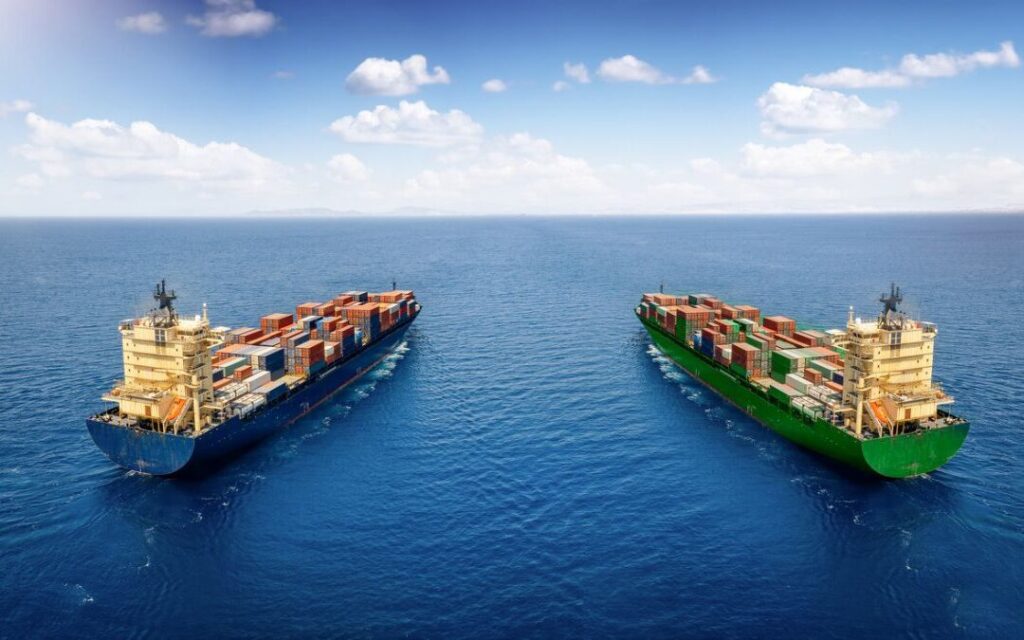
Managing international logistics is challenging, especially when importing from Asia to Europe. Businesses seeking professional FCL shipping from China to Belgium must weigh costs, transit times, and customs compliance. Belgium’s ports—especially Antwerp and Zeebrugge—serve as major gateways to the European Union, making them crucial for smooth supply chain operations. This guide will help you understand shipping options, cost factors, and practical strategies to optimize your logistics.
1. What Is FCL Shipping and Why Is It Important?
Full Container Load (FCL) refers to the exclusive use of an entire shipping container by one importer. Unlike LCL (Less than Container Load), FCL ensures efficiency, security, and reduced handling risks.
Key Benefits of FCL shipping:
- Lower cost per unit for bulk shipments.
- Faster handling during loading and unloading.
- Reduced risk of cargo damage or contamination.
- Predictable transit times and scheduling.
For importers shipping machinery, automotive parts, textiles, chemicals, or electronics, FCL remains the most professional shipping solution from China to Belgium.
2. How Much Does Professional FCL Shipping from China to Belgium Cost?
Shipping costs vary by container size, carrier, and market fluctuations.
| Container Type | Capacity (CBM) | Average Cost (USD) | Best For |
|---|---|---|---|
| 20FT | 28–30 | $2,600 – $3,400 | Small bulk shipments |
| 40FT | 58–60 | $4,100 – $5,700 | Standard bulk loads |
| 40FT HQ | 65–68 | $4,500 – $6,200 | High-volume cargo |
Note: Rates fluctuate based on seasonal demand, fuel costs, and carrier contracts.
3. How Long Does It Take for FCL Shipping from China to Belgium?
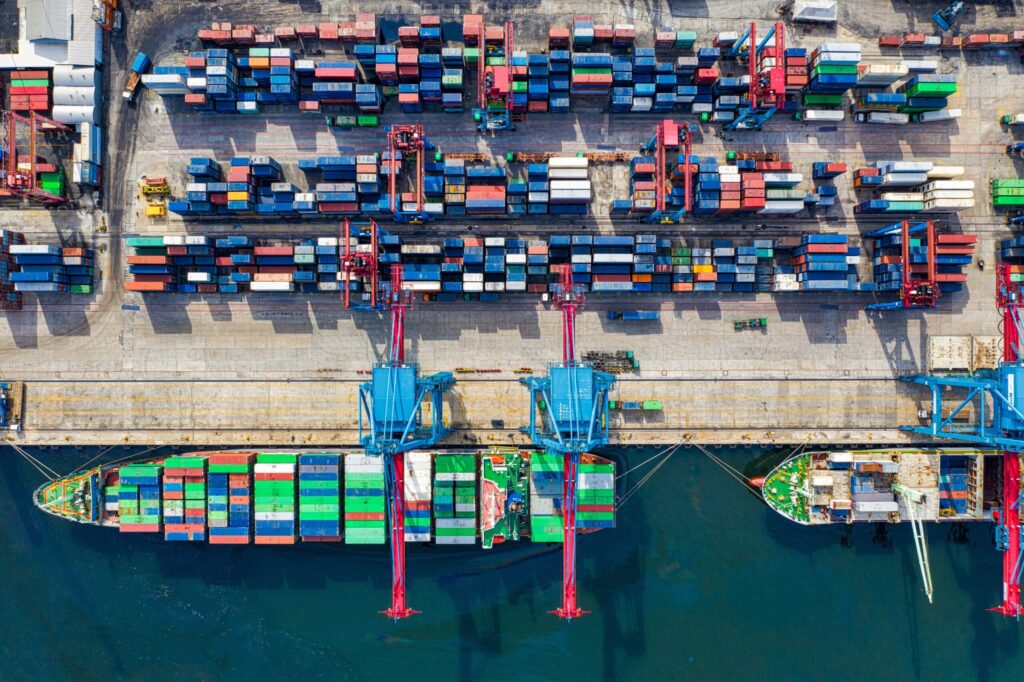
Transit time depends on the port of origin and the shipping line.
| Origin Port | Destination (Belgium) | Transit Time (Days) | Notes |
|---|---|---|---|
| Shanghai | Antwerp | 30–35 | Popular for electronics & textiles |
| Shenzhen | Antwerp | 28–32 | Fast route, key for e-commerce |
| Ningbo | Zeebrugge | 31–36 | Ideal for industrial goods |
| Qingdao | Antwerp | 33–38 | Northern China exports |
Customs clearance and inland transport add an additional 2–4 days.
4. Which Belgian Ports Are Best for FCL Imports?
Belgium has two major container ports:
- Port of Antwerp: The second-largest port in Europe, handling over 200 million tons annually. Strong for containerized goods, petrochemicals, and machinery.
- Port of Zeebrugge: Known for automotive imports, LNG, and large-scale industrial shipments.
Both ports provide direct rail and trucking access to Germany, France, and the Netherlands, strengthening Belgium’s role as an EU logistics hub.
5. What Customs Documents Are Required for FCL Shipping?
Accurate documentation prevents clearance delays.
| Document | Purpose | Issued By |
|---|---|---|
| Bill of Lading (B/L) | Proof of shipment | Shipping Line |
| Commercial Invoice | Declares cargo value | Shipper |
| Packing List | Itemized cargo details | Shipper |
| Import License (if needed) | Approval for restricted goods | Belgian Customs |
| Certificate of Origin | Trade compliance | Chamber of Commerce |
| Customs Declaration | VAT and duty clearance | Broker/Importer |
Incorrect paperwork often causes delays and extra costs, making professional customs handling essential.
6. How Does FCL Compare to LCL, Air Freight, and Rail Freight?
| Mode | Cost | Transit Time | Best For | Pros | Cons |
|---|---|---|---|---|---|
| FCL (Sea) | $$ | 28–35 days | Large cargo | Economical, secure, scalable | Slower than air |
| LCL (Sea) | $ | 30–40 days | Small cargo | Low upfront cost | Higher risk, slower handling |
| Air Freight | $$$$ | 5–7 days | Urgent goods | Fast, reliable | Very expensive |
| Rail Freight | $$$ | 18–22 days | Mid-volume cargo | Faster than sea, cheaper than air | Limited routes, space |
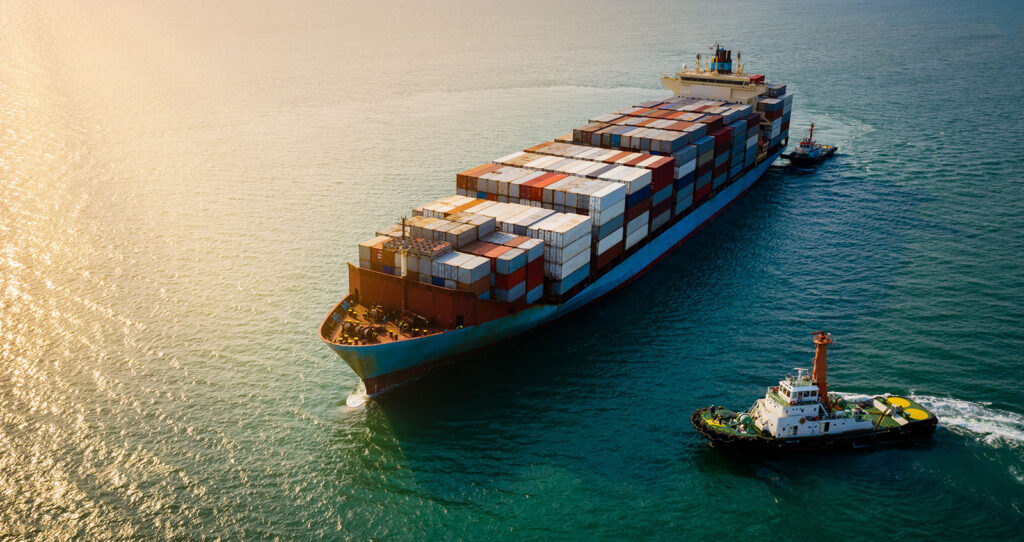
7. What Are the Main Factors Influencing FCL Costs?
Several variables affect professional FCL shipping costs:
- Fuel surcharges imposed by carriers.
- Peak seasons (August–October, pre-holiday).
- Port handling charges at Antwerp or Zeebrugge.
- Container imbalance surcharges if demand is higher in one region.
- Customs duties and VAT based on HS codes.
By working with forwarders, importers can minimize these charges through route optimization and contract rates.
8. How to Minimize Delays in China–Belgium FCL Shipping?
- Book early to avoid peak congestion.
- Verify HS codes before shipping.
- Hire a customs broker in Belgium.
- Use door-to-door FCL service for streamlined logistics.
- Choose less congested origin ports if possible.
9. Should You Consider Door-to-Door FCL Shipping?
Yes. Door-to-door service simplifies logistics by covering:
- Pickup from Chinese supplier.
- Ocean freight to Antwerp or Zeebrugge.
- Customs clearance.
- Inland delivery to the final Belgian destination.
This service reduces administrative burden and provides transparent cost breakdowns, making it popular among SMEs.
10. Why Work with a Professional Freight Forwarder?
Freight forwarders add value by:
- Negotiating better carrier rates.
- Managing customs clearance on both ends.
- Providing real-time tracking for shipments.
- Offering cargo insurance against loss or damage.
- Advising on logistics trends and regulatory updates.
Choosing a professional partner ensures smoother trade and long-term supply chain stability.
📦Get a Free Quote
Before arranging your next shipment, evaluate how professional FCL shipping from China to Belgium can optimize costs and efficiency. Partnering with experienced forwarders helps minimize risks and ensures compliance with EU regulations.
❓ Frequently Asked Questions
Q1: What is the average cost of FCL shipping from China to Belgium?
On average, a 40FT container costs between $4,100 and $5,700. Costs vary by port of origin, season, and carrier selection.
Q2: How long does FCL shipping usually take?
Typical sea freight takes 28–35 days. Customs clearance and inland trucking may extend delivery by an additional 2–4 days.
Q3: Do I always need an import license for shipments to Belgium?
Not all goods need an import license. Restricted categories such as chemicals, pharmaceuticals, and electronics may require special permits.
Q4: Which Belgian port is better for imports—Antwerp or Zeebrugge?
Antwerp handles most containerized imports and has excellent EU connectivity. Zeebrugge is better for automotive and specialized industrial goods.
Q5: How can I avoid customs delays?
Ensure accurate HS codes, prepare all documents, and work with a licensed customs broker for faster clearance at Belgian ports.
Conclusion
The demand for professional FCL shipping from China to Belgium continues to grow as trade volumes rise. By choosing the right container size, preparing documents accurately, and working with experienced freight forwarders, businesses can save costs and reduce delays. With Belgium’s ports serving as EU gateways, optimizing your logistics ensures a competitive advantage in today’s global supply chain.