

- By kelly
- October 13, 2025
- Logistics Guide
Trusted FCL Shipping from China to Belgium: Costs, Transit & Customs Guide
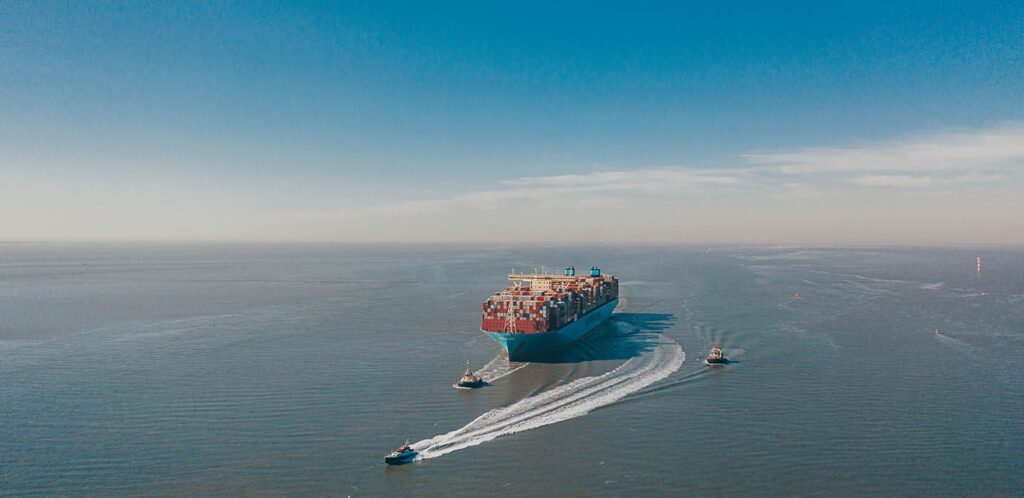
Importing goods from China to Europe requires careful planning and dependable logistics partners. For many businesses, choosing trusted FCL shipping from China to Belgium is the best way to ensure cost efficiency, reliability, and smooth customs clearance. With Belgium serving as a logistics hub for the European Union, selecting the right shipping method can make the difference between delays and seamless supply chain operations.
1. What Is FCL Shipping and Why Is It Trusted for China–Belgium Trade?
Full Container Load (FCL) shipping refers to using an entire shipping container exclusively for one importer. Unlike LCL (Less than Container Load), cargo in FCL is not shared with other shippers, which reduces risks.
Why businesses trust FCL shipping:
- Predictable costs with no shared cargo fees.
- Faster handling at departure and arrival ports.
- Lower risk of cargo damage or contamination.
- Better suited for bulk goods and high-value cargo.
Companies importing machinery, electronics, chemicals, textiles, or automotive parts from China often prefer FCL because it guarantees secure and efficient transport to Belgium.
2. How Much Does Trusted FCL Shipping from China to Belgium Cost?
FCL costs depend on container size, shipping line, and seasonal demand.
| Container Type | Capacity (CBM) | Average Cost (USD) | Best For |
|---|---|---|---|
| 20FT | 28–30 | $2,700 – $3,500 | Small bulk shipments |
| 40FT | 58–60 | $4,200 – $5,800 | Standard shipments |
| 40FT HQ | 65–68 | $4,600 – $6,300 | High-volume cargo |
Note: Rates fluctuate with fuel costs, shipping demand, and carrier contracts.
3. How Long Does It Take to Ship FCL from China to Belgium?
Transit times vary depending on origin port and shipping routes.
| Origin Port | Destination (Belgium) | Transit Time (Days) | Notes |
|---|---|---|---|
| Shanghai | Antwerp | 30–35 | Popular for electronics & textiles |
| Shenzhen | Antwerp | 28–32 | Fast route, key for e-commerce |
| Ningbo | Zeebrugge | 31–36 | Ideal for industrial goods |
| Qingdao | Antwerp | 33–38 | Northern China exports |
In addition, customs clearance and inland delivery add 2–4 days to final delivery schedules.
4. Which Belgian Ports Handle Most FCL Shipments?
Belgium has two major container ports, both essential for China–EU trade:
- Port of Antwerp: One of Europe’s largest ports, handling containerized cargo, petrochemicals, and bulk goods. Known for advanced logistics services.
- Port of Zeebrugge: Specializes in automotive imports, LNG, and large-scale containerized shipments.
Both ports are well connected to Germany, France, and the Netherlands, making Belgium an ideal logistics gateway.
5. What Documents Are Needed for Customs Clearance?
Proper documentation is key to avoiding customs delays.
| Document | Purpose | Issued By |
|---|---|---|
| Bill of Lading (B/L) | Shipment proof | Shipping Line |
| Commercial Invoice | Declares cargo value | Exporter |
| Packing List | Itemized cargo details | Exporter |
| Import License (if required) | Approval for restricted goods | Belgian Authorities |
| Certificate of Origin | Trade compliance | Chamber of Commerce |
| Customs Declaration | VAT and duty processing | Broker/Importer |
6. How Does FCL Compare with LCL, Air Freight, and Rail Freight?
| Mode | Cost | Transit Time | Best For | Pros | Cons |
|---|---|---|---|---|---|
| FCL (Sea) | $$ | 28–35 days | Bulk shipments | Secure, economical | Slower than air |
| LCL (Sea) | $ | 30–40 days | Small shipments | Low upfront cost | More handling, higher risk |
| Air Freight | $$$$ | 5–7 days | Urgent goods | Fastest option | Expensive for bulk |
| Rail Freight | $$$ | 18–22 days | Medium cargo | Faster than sea | Limited capacity |
7. Why Do Costs Fluctuate in FCL Shipping?
Several factors influence FCL shipping prices:
- Fuel surcharges and bunker adjustments.
- Peak seasons (August–October, before holidays).
- Port congestion at Antwerp or Zeebrugge.
- Global container shortages creating imbalances.
- Customs duties and VAT based on product type.
Working with experienced freight forwarders helps importers secure competitive rates and avoid surprise charges.
8. What Are the Common Challenges in China–Belgium FCL Shipping?
- Customs delays due to incorrect HS codes.
- Seasonal congestion at Belgian ports.
- Sudden surcharges during global logistics disruptions.
- Inland transport bottlenecks in Europe.
These risks can be mitigated with proper planning, correct documentation, and choosing a trusted logistics provider.
9. Should You Choose Door-to-Door FCL Shipping?
Door-to-door service covers pickup in China, sea transport, customs clearance, and final delivery in Belgium.
Benefits:
- Simplified logistics management.
- Transparent pricing with fewer hidden charges.
- Faster customs handling via local partners.
SMEs often choose this service to save time and reduce administrative work.
10. How Do Freight Forwarders Add Value to FCL Shipping?
Professional freight forwarders play a vital role in:
- Negotiating contract rates with carriers.
- Managing customs clearance in China and Belgium.
- Offering real-time shipment tracking.
- Providing cargo insurance solutions.
- Advising on EU logistics regulations and compliance.
Partnering with a trusted forwarder ensures long-term supply chain efficiency.
📦Get a Free Quote
Before finalizing your next shipment, evaluate how trusted FCL shipping from China to Belgium can reduce costs, minimize delays, and safeguard your cargo. Partnering with experienced forwarders ensures professional handling every step of the way.
❓ Frequently Asked Questions
Q1: What is the average cost for a 40FT container from China to Belgium?
Costs range from $4,200 to $5,800 depending on the port of origin, seasonal rates, and the chosen carrier service.
Q2: How long does FCL shipping from China to Belgium take?
On average, transit times are 28–35 days. Customs clearance and inland transport usually add 2–4 more days.
Q3: Do I need an import license for every shipment?
Not all goods require a license. Restricted categories such as chemicals, electronics, or pharmaceuticals need special permits.
Q4: Which Belgian port is best for imports?
Antwerp is Europe’s second-largest port, ideal for most goods. Zeebrugge is better for vehicles, LNG, and industrial products.
Q5: How can I avoid customs clearance delays?
Ensure accurate HS codes, prepare all documents correctly, and use a professional customs broker for faster clearance.
Conclusion
Choosing trusted FCL shipping from China to Belgium provides businesses with cost-effective, reliable, and secure transportation for bulk cargo. With proper documentation, experienced customs handling, and support from a professional freight forwarder, importers can minimize risks while maximizing efficiency. As Belgium remains a key logistics hub for Europe, FCL shipping offers the most dependable path for international trade success.