

- By carlie tj
- October 14, 2025
- Logistics Guide
Businesses importing from China know the challenges of balancing shipping costs, transit time, and customs compliance. Choosing reliable FCL shipping from China to Germany with trusted forwarders like China Top Freight guarantees efficiency, competitive rates, and peace of mind for every shipment.
1. What Is FCL Shipping and Why Is It Reliable for China–Germany Trade?
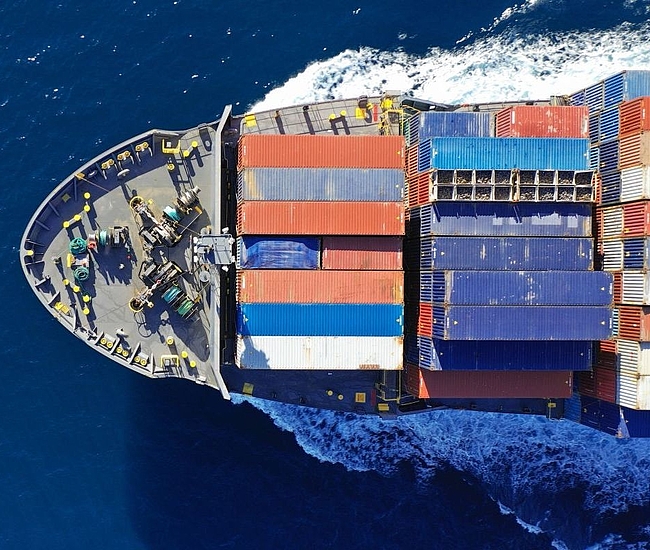
Full Container Load (FCL) means you book an entire container, ensuring your cargo remains sealed from origin to destination. Unlike LCL, FCL avoids unnecessary handling, protects cargo integrity, and provides predictable schedules. For large-volume importers in Germany, this method is cost-effective and reduces supply chain disruptions.
2. How Does the FCL Shipping Process Work?
The process involves:
- Booking a container with carriers like COSCO, OOCL, or HMM.
- Factory pick-up or warehouse loading in China.
- Transport to departure ports such as Shanghai, Shenzhen, or Ningbo.
- Ocean voyage to German ports like Hamburg or Bremerhaven.
- Customs clearance and delivery to your warehouse.
Moreover, freight forwarders streamline this process by managing documentation, customs declarations, and inland delivery.
3. What Are the Average Transit Times for China–Germany FCL Shipping?
Transit times depend on carrier routes, port congestion, and seasonality.
| Origin Port (China) | Destination Port (Germany) | Transit Time (Days) | Notes |
|---|---|---|---|
| Shanghai | Hamburg | 28–32 | Most popular route |
| Ningbo | Bremerhaven | 29–34 | Strong for machinery |
| Shenzhen | Hamburg | 30–35 | Ideal for electronics |
| Qingdao | Hamburg | 32–36 | Preferred by northern exporters |
Therefore, advance booking and route selection play a major role in maintaining predictable delivery schedules.
4. How Much Does Reliable FCL Shipping Cost from China to Germany?
Container freight rates vary by size, season, and global demand.
| Container Size | Average Cost (USD) | Ideal Cargo | Advantage |
|---|---|---|---|
| 20ft | $2,700–$3,200 | Textiles, small machinery | Cost-efficient for mid-size loads |
| 40ft | $4,800–$5,600 | Electronics, auto parts | Lower per-unit cost |
| 40ft HQ | $5,100–$6,000 | Light, bulky goods | Maximized cubic capacity |
Additionally, freight forwarders can secure contract rates that provide stability against market fluctuations.
5. Which Documents Are Needed for Customs Clearance in Germany?
Successful customs clearance requires:
- Commercial Invoice
- Packing List
- Bill of Lading
- Certificate of Origin
- Import licenses for restricted items
Errors can result in costly delays. Therefore, professional handling of paperwork ensures smooth clearance and on-time delivery.
6. How Does FCL Compare to LCL and Air Freight?
| Shipping Method | Cost Efficiency | Transit Time | Best Suited For | Limitations |
|---|---|---|---|---|
| FCL | High | 28–36 days | Large-volume cargo | Slower than air freight |
| LCL | Medium | 35–42 days | Small loads, startups | Handling risks |
| Air Freight | Low | 5–10 days | Urgent, high-value cargo | Expensive |
Consequently, FCL is ideal for stable supply chains requiring predictable schedules and better cost efficiency.
7.Conclusion
Choosing reliable FCL shipping from China to Germany ensures predictable delivery schedules, cost savings, and smooth customs clearance. By partnering with expert freight forwarders, businesses gain access to contract rates, end-to-end visibility, and reduced risks. For long-term competitiveness, FCL shipping remains the most dependable choice for bulk imports between China and Germany.
8. Request a Quote
China Top Freight offers:
- ✅ Origin and Destination Countries
- ✅ Cargo Type and Volume
- ✅ Preferred Transport Method (Air, Sea, Rail, Road)
- ✅ Delivery Timeline
- ✅ Special Handling Requirements (if any)
9. FAQ
1. How can I estimate total shipping costs for FCL?
Include container rate, fuel surcharge, customs duties, inland trucking, and documentation fees. Request a tailored quote for accurate landed cost estimates.
2. Which German ports handle the most China imports?
Hamburg and Bremerhaven manage the majority of shipments, offering efficient customs clearance, excellent inland connections, and large capacity for international trade.
3. What mistakes delay customs clearance in Germany?
Incorrect HS codes, missing invoices, and undervaluation cause delays. Proper documentation and professional support ensure a smooth clearance process.
4. Can FCL shipping handle oversized machinery?
FCL supports heavy and oversized cargo. Shippers can request 40ft HQ or open-top containers designed for bulky industrial equipment.
5. How often do FCL sailings occur from China to Germany?
Major carriers offer weekly sailings, providing flexibility for exporters and predictable schedules for German importers planning just-in-time deliveries.