

- By ayla tj
- October 14, 2025
- Logistics Guide
Importers seeking flexibility and cost efficiency often choose professional LCL shipping from China to Belgium. Less than Container Load (LCL) shipments allow businesses to share container space, paying only for the cargo volume used. However, without professional handling, shipments may face consolidation delays, customs challenges, or higher hidden costs. This guide explores everything you need to know about LCL freight—from transit times and customs to pricing strategies and documentation.

1. What Is LCL Shipping and Why Is It Important?
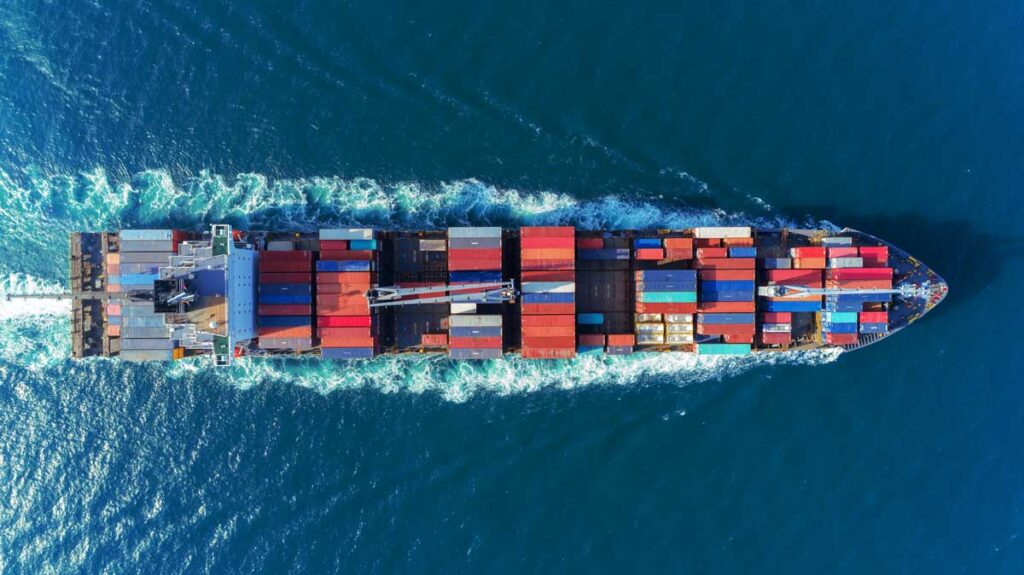
LCL (Less than Container Load) shipping consolidates cargo from multiple shippers into one container. It is ideal for businesses that cannot fill a full 20ft or 40ft container.
Advantages of professional LCL shipping include:
- Lower upfront shipping costs.
- More frequent departures compared to FCL.
- Flexibility for small and medium-sized businesses.
However, using a professional freight forwarder ensures smoother consolidation, optimized costs, and faster customs clearance.
2 What Are the Main Ports Between China and Belgium?
| Origin Port (China) | Destination Port (Belgium) | Average Transit Time |
|---|---|---|
| Shanghai | Antwerp | 28–33 days |
| Shenzhen | Antwerp | 30–35 days |
| Ningbo | Antwerp | 29–34 days |
| Qingdao | Antwerp | 32–36 days |
| Guangzhou | Antwerp | 30–34 days |
Antwerp is Belgium’s major entry hub, connected by inland waterways, rail, and road networks for smooth European distribution.
3. How Much Does LCL Shipping from China to Belgium Cost?
Costs depend on cargo volume, weight, and route.
| Service Component | Cost Range (USD) | Notes |
|---|---|---|
| LCL Freight (per CBM) | 35–65 | Varies by port pair |
| Documentation Fees | 50–100 | Per shipment |
| Destination Charges | 60–120 | Handling in Belgium |
| Customs Brokerage | 80–150 | Professional clearance |
| Insurance | 0.3–0.6% of value | Optional but recommended |
While LCL rates are cheaper for small volumes, costs can become comparable to FCL for larger shipments.
What are you waiting for?
Contact chinatopfreight for a fast, free quote.
Are you ready to book?
Access live instant freight quotes
4. How Long Does LCL Shipping Take?
- Port-to-Port Transit: 28–35 days (depending on origin port).
- Consolidation & Deconsolidation: Adds 3–7 days.
- Customs Clearance: 1–3 days if documents are accurate.
Therefore, total door-to-door delivery for professional LCL shipping from China to Belgium typically takes 35–45 days.
5. What Documents Are Required for LCL Shipping?
| Document | Purpose | Verified By |
|---|---|---|
| Bill of Lading (B/L) | Proof of shipment and ownership | Carrier |
| Commercial Invoice | Declares cargo value & details | Exporter |
| Packing List | Identifies goods and packaging | Exporter |
| Import Declaration | Official submission to customs | Broker |
| Certificate of Origin | Confirms tariff eligibility | Exporter |
| Insurance Policy | Protects against loss/damage | Insurer |
Accurate documents guarantee faster clearance and avoid unnecessary costs.
6. Why Choose Professional LCL Shipping?
Working with professional freight forwarders ensures:
- Accurate documentation reducing clearance delays.
- Consolidation expertise for cost optimization.
- Door-to-door logistics solutions for supply chain efficiency.
- Predictable delivery schedules even during peak seasons.
7. How Does LCL Compare to Other Shipping Methods?

| Shipping Method | Cost | Transit Time | Pros | Cons |
|---|---|---|---|---|
| LCL Shipping | Medium | 35–45 days | Cost-effective for small loads | Longer due to consolidation |
| FCL Shipping | Low per unit | 28–35 days | Best for large volumes, stable rates | Higher upfront cost |
| Air Freight | High | 5–8 days | Fastest, reliable for urgent goods | Expensive for bulk cargo |
| Courier/Express | Very High | 3–6 days | Door-to-door, simple customs handling | Not practical for large shipments |
8. What Are the Customs Duties and Taxes in Belgium?
Belgium, part of the EU, applies:
- Import Duty: Typically 0–12% (depending on HS code).
- VAT: Standard rate is 21% (applied to CIF value + duty).
- Excise Duties: Applicable for alcohol, tobacco, and certain goods.
Correct HS classification ensures accurate duty calculation and faster clearance.
9. What Challenges Do Importers Face with LCL Shipping?
- Delays due to multiple consolidations.
- Unexpected destination charges.
- Customs inspections extending transit times.
- Complexity in managing multiple suppliers.
Professional LCL service providers mitigate these risks through proactive communication and tailored logistics solutions.
10. How Can Importers Speed Up LCL Clearance in Belgium?
- Submit electronic documents in advance.
- Use trusted customs brokers with local expertise.
- Choose direct routes to Antwerp to avoid transshipment delays.
- Work with freight forwarders offering integrated supply chain solutions.
11. Pros and Cons of LCL Shipping vs Air Freight
| Factor | LCL Shipping | Air Freight |
|---|---|---|
| Cost | Cheaper for non-urgent cargo | High, suited for urgent goods |
| Transit Time | 35–45 days (door-to-door) | 5–8 days |
| Cargo Size | Best for small/medium loads | Limited by weight/size |
| Customs | May take longer with consolidation | Faster, fewer delays |
12. Supply Chain Benefits of Professional LCL Shipping
By leveraging professional services, businesses gain:
- Predictable scheduling even with partial loads.
- Reduced inventory pressure through smaller, frequent shipments.
- Better cost allocation across multiple orders.
- Improved compliance with EU import regulations.
Conclusion
Efficient imports require professional LCL shipping from China to Belgium that balances cost, transit time, and compliance. With accurate documents, strategic planning, and expert freight forwarding, businesses can streamline supply chains while reducing expenses. Partnering with China Top Freight ensures tailored solutions, reliable scheduling, and professional support—helping importers succeed in global trade with confidence.
FAQ
Q1: Can I ship multiple suppliers’ goods together in one LCL container?
Yes. Professional forwarders can consolidate multiple suppliers’ shipments into a single container, reducing costs and simplifying customs clearance in Belgium.
Q2: Is LCL suitable for fragile or high-value goods?
Yes, but additional packaging and insurance are recommended since cargo is handled more frequently than in FCL, increasing the risk of minor damages.
Q3: Do I need a customs broker in Belgium for LCL shipments?
While not mandatory, using a customs broker ensures accurate declarations, faster clearance, and fewer unexpected delays at the port of Antwerp.
Q4: Can LCL shipping schedules be affected by peak seasons?
Yes. Peak seasons may extend consolidation times and transit schedules, so booking early with a reliable forwarder is highly recommended.
Q5: How can I calculate total landed costs for LCL imports?
Include freight, customs duty, VAT, destination handling, insurance, and inland delivery. Freight forwarders can provide detailed landed cost estimates upfront.