

- By ayla tj
- October 14, 2025
- Logistics Guide
Shipping goods in bulk across continents is a challenge, and delays or unexpected costs can disrupt your entire supply chain. Choosing reliable FCL shipping from China to USA ensures smooth customs clearance, competitive rates, and predictable delivery schedules. This guide will explain methods, costs, transit times, and practical tips for businesses aiming to optimize their ocean freight.

1. What Does FCL Shipping from China to USA Mean?
Full Container Load (FCL) shipping involves renting an entire container exclusively for your cargo. This method suits medium to large shipments that can fill a 20ft or 40ft container. Compared to LCL (Less than Container Load), FCL offers lower per-unit costs, reduced handling, and faster transit times.
2. Why Choose Reliable FCL Shipping for Imports?
Reliable FCL services bring consistency to your supply chain. Unlike shared containers, your goods remain sealed from origin to destination, minimizing the risk of damage or loss. Moreover, predictable schedules help importers avoid costly storage fees, demurrage, and customer dissatisfaction.
3. How Much Does FCL Shipping from China to USA Cost?
Costs depend on container type, shipping line, route, and seasonal demand. Major carriers like COSCO, OOCL, EMC, and MSK often provide contract rates for consistent shippers.
| Container Type | Average Cost (USD) | Capacity | Best Use Case |
|---|---|---|---|
| 20ft Standard | $2,000 – $3,500 | 28–30 CBM | Small-medium bulk goods |
| 40ft Standard | $3,500 – $5,000 | 58–60 CBM | Large bulk shipments |
| 40ft High Cube | $3,800 – $5,500 | 68 CBM | Lightweight, high-volume cargo |
Note: Prices fluctuate with fuel, demand, and global shipping trends.
4. What Are the Transit Times for FCL from China to USA?
Transit time varies depending on port pairs. West Coast is faster but East Coast provides direct access to major consumer markets.
| Origin Port (China) | Destination Port (USA) | Transit Time | Notes |
|---|---|---|---|
| Shanghai | Los Angeles | 15–18 days | Fastest, popular for electronics |
| Shenzhen | New York | 28–32 days | Strong for e-commerce and retail |
| Ningbo | Houston | 25–28 days | Convenient for industrial imports |
| Qingdao | Miami | 30–34 days | Ideal for northern exports |
What are you waiting for?
Contact chinatopfreight for a fast, free quote.
Are you ready to book?
Access live instant freight quotes
5. What Documents Are Required for Customs Clearance?
Smooth FCL shipping requires accurate documentation. Missing paperwork can delay clearance and increase costs.
| Document | Purpose |
|---|---|
| Bill of Lading | Proof of shipment and contract of carriage |
| Commercial Invoice | Declares value for customs duties |
| Packing List | Provides cargo details for inspection |
| Importer Security Filing (ISF) | Mandatory filing before cargo arrives in USA |
| Certificate of Origin | Confirms manufacturing location |
6. How Does FCL Compare with Other Shipping Methods?
When evaluating freight, importers must balance cost, speed, and reliability.
| Mode | Cost | Transit Time | Pros | Cons |
|---|---|---|---|---|
| FCL (Sea) | Low per unit | 15–35 days | Economical, safe, reliable | Longer than air |
| LCL (Sea) | Medium | 20–38 days | Cost-sharing, flexible | Delays due to consolidation |
| Air Freight | High | 3–7 days | Fastest, reliable | Expensive |
| Rail Freight (via China–Europe, then USA air/sea) | Medium | 20–25 days | Balanced cost and time | Limited routes |
7. What Factors Affect FCL Shipping Costs and Transit?
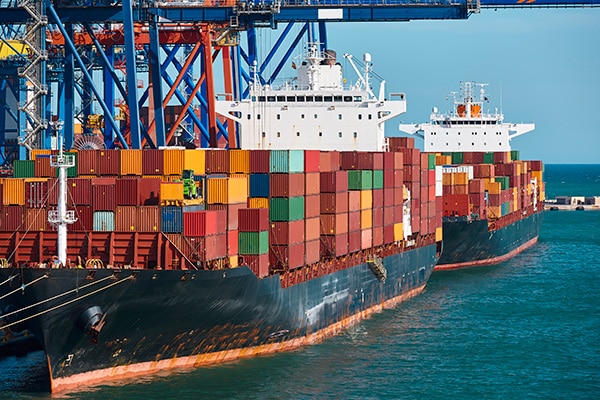
Several variables impact pricing and reliability:
- Fuel surcharges and bunker adjustment factors.
- Seasonal demand (peak season: August–November).
- Customs inspections in both China and USA.
- Carrier choice and available schedules.
- Port congestion and labor strikes.
Therefore, importers should book in advance and partner with reliable freight forwarders to mitigate risks.
8. How Can Importers Reduce Costs on FCL Shipments?
- Book during off-peak seasons to secure lower rates.
- Negotiate contract rates with carriers for steady shipments.
- Use inland ports for smoother customs processes.
- Work with experienced freight forwarders to streamline documentation.
- Consolidate cargo at origin if operating multiple suppliers.
9. Should You Use a Freight Forwarder for FCL from China to USA?
While direct booking with carriers is possible, freight forwarders provide value-added services like customs clearance, door-to-door delivery, warehousing, and shipment tracking. Additionally, they negotiate better contract rates due to volume.
10. Key Trends in China–USA FCL Shipping
- Digital freight platforms improving real-time tracking.
- Green shipping initiatives reducing carbon emissions.
- US tariff changes impacting import categories.
- Supply chain resilience strategies post-pandemic.
Conclusion
For importers seeking predictable schedules, lower per-unit costs, and minimized risks, reliable FCL shipping from China to USA remains the most effective logistics solution. By planning ahead, securing trusted carriers, and working with experienced freight forwarders, businesses can streamline operations and gain a competitive advantage in the global marketplace.
FAQ
1. What is the difference between a 20ft and 40ft container for FCL?
A 20ft container suits smaller loads up to 28–30 CBM, while a 40ft container doubles capacity, offering better economies of scale for larger shipments.
2. Can I mix different product types in one FCL container?
Yes, importers can load multiple product types as long as they comply with US import regulations and packing standards to prevent cargo damage.
3. How early should I book FCL shipping from China to USA?
Ideally, reservations should be made 3–4 weeks before departure, especially during peak seasons, to secure space and competitive rates.
4. What are demurrage and detention charges in FCL shipping?
Demurrage applies when cargo stays at the port beyond free days, while detention refers to extra charges for late container return.
5. Do I need insurance for FCL shipments?
Yes, marine insurance is strongly recommended as it protects against loss, theft, or damage during international transit, offering peace of mind.