

- By kelly
- October 15, 2025
- Logistics Guide
Professional Sea Freight from China to Belgium: A Complete Guide
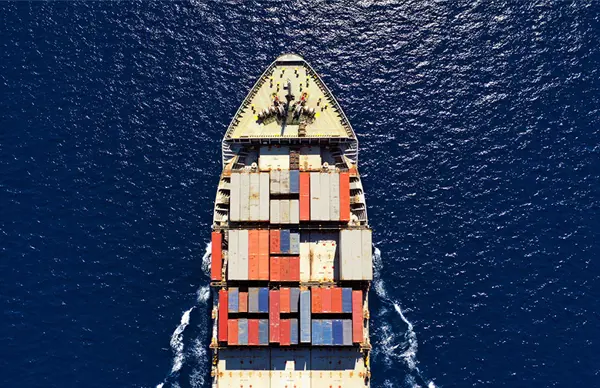
For importers and exporters, choosing professional sea freight from China to Belgium is essential to maintain cost efficiency, delivery reliability, and smooth customs clearance. Many businesses face challenges such as fluctuating shipping costs, unexpected delays, and incomplete documentation. However, with the right planning and expert logistics partners, companies can streamline their supply chains and secure timely deliveries.
1. Why Choose Professional Sea Freight for China–Belgium Trade?
Sea freight remains the backbone of trade between China and Belgium due to its high capacity, cost-effectiveness, and flexible service options. Antwerp, Belgium’s largest port, serves as a strategic European gateway, making it an ideal destination for Chinese exports ranging from electronics to industrial machinery. Moreover, professional handling ensures minimized risks, optimized routes, and consistent schedules.
2. How Long Does Sea Freight from China to Belgium Take?
Transit time varies based on origin port, carrier schedules, and customs efficiency.
| Origin Port (China) | Destination (Belgium) | Average Transit Time | Notes |
|---|---|---|---|
| Shanghai | Antwerp | 30–35 days | Primary trade route |
| Shenzhen | Antwerp | 28–32 days | Fast for electronics |
| Ningbo | Antwerp | 32–36 days | Popular for textiles |
| Qingdao | Antwerp | 34–38 days | Machinery hub |
While sea freight is slower than air, its predictability and cost advantages make it ideal for businesses seeking balance.
3. What Are the Costs of Professional Sea Freight?
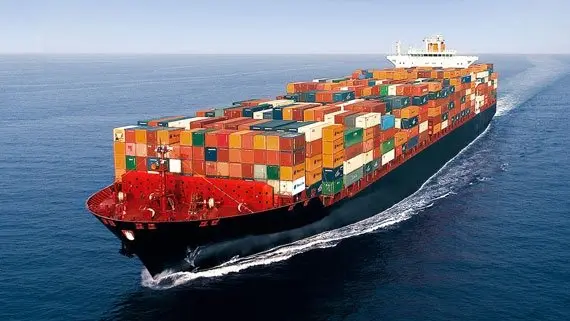
Costs depend on container size, cargo type, and market demand.
| Container Type | Average Cost (USD) | Best for | Pros | Cons |
|---|---|---|---|---|
| FCL 20ft | $2,500–$3,200 | Medium cargo loads | Dedicated use, secure | Pay full container |
| FCL 40ft | $4,200–$5,500 | Bulk goods | Lower cost per unit | Higher upfront cost |
| LCL (per CBM) | $50–$70 | Small shipments | Cost-sharing flexibility | Longer consolidation time |
Additionally, seasonal surcharges and bunker adjustments may influence final rates.
4. How Does Sea Freight Compare with Air and Rail Options?
| Method | Transit Time | Cost Level | Pros | Cons |
|---|---|---|---|---|
| Air Freight | 5–10 days | Very high | Fastest, secure | Expensive, limited capacity |
| Rail Freight | 18–22 days | Moderate | Faster than sea, eco-friendly | Limited routes |
| Sea Freight | 28–36 days | Low | Economical, high volume | Slower compared to air |
Therefore, for businesses needing large volumes at affordable rates, sea freight is the most professional and reliable solution.
5. What Documentation Is Required for Shipping to Belgium?
Accurate documentation is critical for customs clearance.
| Document | Purpose |
|---|---|
| Bill of Lading (B/L) | Proof of shipment and cargo ownership |
| Commercial Invoice | Declares shipment value |
| Packing List | Lists shipment details |
| Certificate of Origin | Certifies manufacturing country |
| Import License (if applicable) | Ensures compliance with EU rules |
Preparing these documents carefully helps prevent costly delays.
6. Should You Use FCL or LCL for Professional Shipping?
- FCL (Full Container Load): Faster, secure, and best for large shipments.
- LCL (Less than Container Load): Flexible and cost-efficient for smaller shipments but requires consolidation time.
- Premium LCL: Professional services with quicker deconsolidation at Antwerp to minimize delays.
7. What Factors Influence Reliability and Costs?
- Seasonality: Peak demand before Christmas and Chinese New Year increases rates.
- Fuel Surcharges: Bunker prices affect final quotes.
- Customs Regulations: Compliance ensures smooth clearance.
- Freight Forwarders: Negotiated contract rates provide stability.
Therefore, proactive planning helps businesses avoid disruptions.
8. What Role Do Freight Forwarders Play in Professional Sea Freight?
Freight forwarders provide end-to-end solutions:
- Contract rates with major carriers like MSC, COSCO, and Maersk
- Customs clearance support in China and Belgium
- Real-time cargo tracking systems
- Cargo insurance for risk management
- Door-to-door logistics across Europe
With professional support, businesses gain reliability and visibility in their supply chains.
9. How Can Companies Ensure Faster Sea Freight?
- Book early to avoid peak congestion.
- Choose direct routes with fewer transshipments.
- Work with forwarders offering priority loading.
- Use advanced tracking systems for visibility.
By doing so, companies reduce risks of delays and better control delivery schedules.
10. What Are the Future Trends in China–Belgium Sea Freight?
- Eco-friendly shipping: Vessels with reduced emissions meeting EU sustainability targets.
- Digital logistics: AI-driven tools for faster bookings and real-time tracking.
- Multimodal integration: Sea + rail + truck for inland delivery.
- Resilience focus: Strategies to handle global supply chain disruptions.
These trends will make sea freight more sustainable and predictable.
📦Get a Free Quote
Selecting professional sea freight from China to Belgium requires trusted logistics partners, efficient documentation, and tailored solutions. At China Top Freight, we provide competitive rates, professional customs handling, and reliable door-to-door delivery. Contact us today for a customized quote and secure your imports with confidence.
❓ Frequently Asked Questions
Q1: How can I make sea freight from China to Belgium more professional and efficient?
By working with experienced freight forwarders, using FCL where possible, and ensuring complete documentation, businesses achieve reliable and cost-effective shipments.
Q2: Is LCL professional enough for small businesses?
Yes, LCL services are ideal for SMEs. Although consolidation takes time, premium LCL solutions provide faster deconsolidation at Belgian ports.
Q3: What are the hidden costs in sea freight shipping?
Costs may include port handling charges, customs duties, insurance, and demurrage. Professional freight partners help minimize these risks.
Q4: How do freight forwarders ensure shipping reliability?
They negotiate with carriers, handle customs clearance, provide tracking, and offer door-to-door delivery, making sea freight smooth and efficient.
Q5: Which Belgian port is best for imports from China?
Antwerp is the most important port due to its size, multimodal links, and position as a distribution hub across Europe.
Conclusion
In summary, professional sea freight from China to Belgium is the most practical and dependable logistics option for businesses seeking stability and cost efficiency. While slower than air, it provides unbeatable capacity and affordability. Moreover, with the right freight forwarder, optimized routes, and complete documentation, companies can secure reliable deliveries and strengthen global trade operations.