

- By carlie tj
- October 15, 2025
- Logistics Guide
When businesses look for the best sea freight from China to UK, they need reliability, competitive rates, and efficient customs clearance. With partners like China Top Freight, importers can streamline supply chains, cut delays, and secure cost-effective solutions tailored to their cargo needs.
1. What Makes Sea Freight from China to UK the Best Choice?
Sea freight remains the most economical option for bulk shipments between China and the UK. Compared to air freight, it offers lower costs, multiple container options, and greater flexibility. Moreover, shipping lines operate regular schedules, ensuring predictable delivery times that support supply chain planning.
2. How Long Does Sea Freight from China to UK Take?
Transit times depend on port pairs, shipping method, and routing. Typically, Full Container Load (FCL) takes less time compared to Less than Container Load (LCL).
Common Sea Freight Transit Times
| Origin Port (China) | Destination Port (UK) | FCL Transit Time | LCL Transit Time |
|---|---|---|---|
| Shanghai | Felixstowe | 28–32 days | 32–36 days |
| Shenzhen | Southampton | 30–34 days | 34–38 days |
| Ningbo | London Gateway | 29–33 days | 33–37 days |
| Qingdao | Liverpool | 31–35 days | 35–40 days |
Therefore, careful route selection ensures importers can balance delivery speed with cost efficiency.
3. What Are the Costs of Sea Freight from China to UK?
Freight rates fluctuate with market conditions, fuel surcharges, and peak season demand. FCL tends to be more cost-effective for larger shipments, while LCL is ideal for smaller consignments.
Typical Container Pricing
| Container Type | Average Cost (USD) | Best Use Case |
|---|---|---|
| 20ft FCL | $2,000 – $2,800 | Small to medium shipments, heavier goods |
| 40ft FCL | $3,800 – $4,800 | Large volume shipments, e-commerce goods |
| LCL (per CBM) | $80 – $120 | Smaller loads, shared container cargo |
Moreover, additional charges such as customs duties, VAT, port handling, and inland delivery should be factored into the total shipping budget.
4. Which Shipping Lines Offer the Best Services?
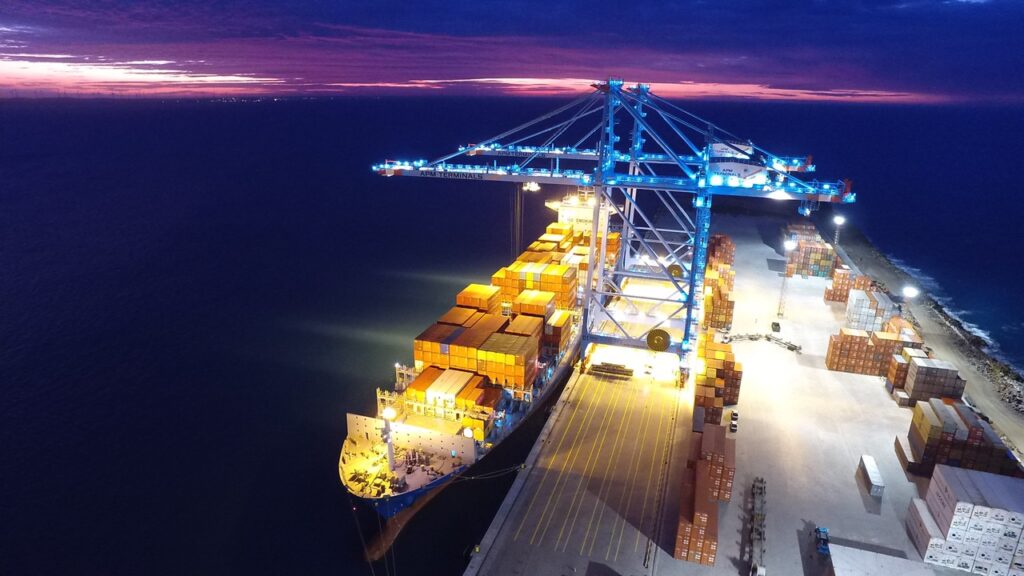
Top carriers such as COSCO, OOCL, CMA CGM, MSC, and Maersk provide direct sailings from China to major UK ports. Partnering with a freight forwarder ensures access to contract rates, space guarantees, and personalized route planning.
5.Should You Choose FCL or LCL for Sea Freight?
Both methods serve different needs:
- FCL (Full Container Load): Exclusive use of a 20ft or 40ft container, faster transit, lower cost per unit.
- LCL (Less than Container Load): Shared space, suitable for small volumes, slightly longer handling times.
Therefore, businesses should evaluate cargo size, urgency, and budget when choosing.
6.What Are the Pros and Cons of Sea Freight Compared to Air or Rail?
Understanding modal differences helps businesses optimize shipping strategies.
Pros and Cons of Freight Methods
| Mode | Pros | Cons |
|---|---|---|
| Sea | Cost-effective, eco-friendly, bulk cargo | Longer transit, port delays possible |
| Air | Fastest delivery, reliable schedules | Higher cost, weight/size restrictions |
| Rail | Balanced speed and cost, eco-friendly | Limited routes, capacity constraints |
Therefore, sea freight remains the best option for cost-sensitive, high-volume shipments.
7.Conclusion
The best sea freight from China to UK delivers cost-savings, reliable schedules, and simplified customs clearance. By understanding transit times, costs, and documentation requirements, businesses can optimize logistics and ensure timely deliveries. Partnering with professional freight forwarders like China Top Freight ensures personalized solutions that keep global supply chains resilient and competitive.
8. Request a Quote
China Top Freight offers:
- ✅ Origin and Destination Countries
- ✅ Cargo Type and Volume
- ✅ Preferred Transport Method (Air, Sea, Rail, Road)
- ✅ Delivery Timeline
- ✅ Special Handling Requirements (if any)
9. FAQ
Q1. What is the average shipping time for sea freight from China to the UK?
Average sea freight from China to UK takes 28–40 days, depending on origin port, destination port, and whether shipping is FCL or LCL.
Q2. How can businesses lower sea freight costs between China and UK?
Companies can consolidate shipments, book during off-peak seasons, and work with freight forwarders who offer contract carrier rates and routing flexibility.
Q3. What are the busiest UK ports for imports from China?
Major ports include Felixstowe, Southampton, London Gateway, and Liverpool, all equipped to handle large container volumes and customs processing efficiently.
Q4. Is LCL shipping a good option for small importers?
LCL shipping is suitable for small importers since they only pay for cargo volume used, although handling time is longer compared to FCL shipments.
Q5. What customs duties apply to imports from China to UK?
Import duties depend on product classification, HS code, and trade agreements, with VAT at 20% generally applied on customs value plus duties.