

- By carlie tj
- October 16, 2025
- Logistics Guide
Finding the best sea freight from China to Canada is crucial for importers seeking cost efficiency, timely delivery, and smooth customs processes. With China Top Freight, businesses can secure affordable rates, reduce risks, and optimize their supply chain with tailored shipping solutions.
1. What Makes the Best Sea Freight from China to Canada?
The “best” sea freight service combines low costs, consistent schedules, transparent tracking, and professional customs handling. Importers value:
- Competitive contract rates with top carriers (COSCO, OOCL, MSC).
- Reliable departure schedules from major Chinese ports.
- End-to-end delivery solutions (door-to-port or door-to-door).
- Efficient customs clearance support.
2. Why Should Importers Choose Sea Freight Over Air or Rail?
Sea freight remains the backbone of global trade between China and Canada. Unlike air freight, which is fast but expensive, sea freight provides scalability and affordability. Compared with rail freight, ocean shipping offers broader port coverage and larger cargo capacity.
Key Benefits:
- Economical for bulk shipments.
- Eco-friendly compared to air freight.
- Flexible options for both FCL and LCL.
3. How Much Does the Best Sea Freight from China to Canada Cost?
Sea freight pricing varies depending on container type, destination port, and seasonal demand. Below is an overview:
| Container Type | Average Cost (USD) | Ideal Shipment Type |
|---|---|---|
| 20ft FCL | $3,000 – $4,300 | Medium cargo, heavy goods |
| 40ft FCL | $5,500 – $7,200 | Large volume, bulky products |
| LCL (per CBM) | $120 – $190 | Small loads under 15 CBM |
Note: Rates may fluctuate with fuel surcharges, market conditions, and peak seasons.
📌4.Which Canadian Ports Handle the Most Chinese Imports?
The most important Canadian ports for Chinese imports include:
- Port of Vancouver (BC): Largest Canadian port, major gateway for Asia-Pacific trade.
- Port of Prince Rupert (BC): Fast rail access to Canadian Prairies and US Midwest.
- Port of Montreal (QC): Serving Quebec, Ontario, and Northeastern US.
- Port of Halifax (NS): Smaller but strategic for Atlantic Canada.
✔️5.How Does Customs Clearance Affect Reliability?
Customs clearance directly impacts delivery schedules. Missing or incorrect documentation can delay cargo. Essential paperwork includes:
- Bill of Lading
- Commercial Invoice
- Packing List
- Certificate of Origin
- Import Permits (if required)
Professional freight forwarders minimize delays by ensuring compliance with Canada Border Services Agency (CBSA) regulations.
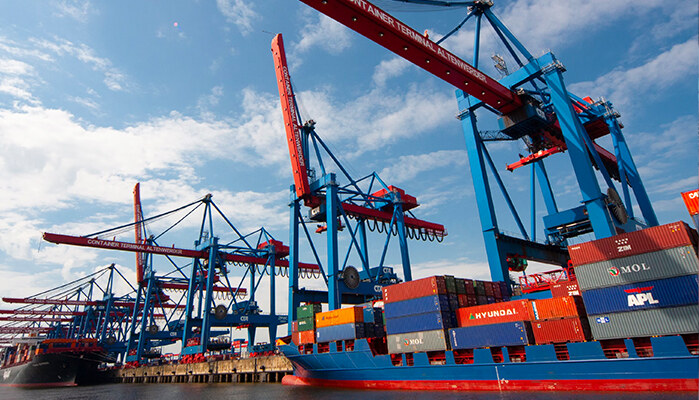
6. What Factors Ensure You Get the Best Sea Freight from China to Canada?
Reliability depends on:
- Choosing experienced freight forwarders.
- Accurate documentation and customs preparation.
- Booking early to avoid seasonal congestion.
- Using technology for cargo tracking.
7.Conclusion
The best sea freight from China to Canada balances cost, reliability, and smooth customs clearance. FCL shipments are ideal for large cargo, while LCL offers flexibility for smaller loads. Multimodal options further enhance supply chain efficiency.
Working with an experienced freight forwarder like China Top Freight ensures that your shipments arrive safely, on time, and at the best possible rates. By planning ahead and partnering with experts, you can secure long-term shipping success.
8. Request a Quote
China Top Freight offers:
- ✅ Origin and Destination Countries
- ✅ Cargo Type and Volume
- ✅ Preferred Transport Method (Air, Sea, Rail, Road)
- ✅ Delivery Timeline
- ✅ Special Handling Requirements (if any)
💬9. FAQ
Q1: How do I calculate the total cost of sea freight from China to Canada?
Total cost depends on container size, port charges, customs duties, and inland delivery, which freight forwarders can estimate accurately.
Q2: What documents are required for importing goods into Canada?
Key documents include a Bill of Lading, commercial invoice, packing list, and certificate of origin to satisfy customs compliance requirements.
Q3: How far in advance should I book sea freight from China to Canada?
Ideally, book 4–6 weeks before departure to secure better rates, avoid congestion delays, and ensure sufficient time for documentation.
Q4: Can I ship perishable goods via sea freight to Canada?
Perishable goods can be shipped using reefer containers, provided temperature control, proper packaging, and import permits are fully arranged.
Q5: What is the role of HS codes in customs clearance?
HS codes classify products for customs duties, ensuring accurate tax calculation and avoiding costly penalties or shipment delays during clearance.