

- By carlie tj
- October 16, 2025
- Logistics Guide
Shipping food products across international borders requires strict compliance with safety, customs, and packaging standards. Many importers search for food products sea freight China to USA solutions that balance affordability with regulatory compliance. With China Top Freight, businesses benefit from competitive rates, expert customs clearance, and tailored shipping strategies for perishable and packaged goods.
1. Why Ship Food Products from China to USA by Sea Freight?
Food imports to the USA are highly regulated by agencies like the FDA (Food and Drug Administration) and USDA. Sea freight is the most practical choice for shipping food products because it is cost-effective, offers containerized refrigeration for perishables, and supports bulk volumes that air freight cannot accommodate economically.
2. What Documents Are Required for Food Products Sea Freight?
Importers must prepare the following documentation:
- Commercial Invoice – Product description, origin, and value.
- Packing List – Details of cartons, pallets, or containers.
- Bill of Lading – Proof of shipment.
- Certificate of Origin – Verifies manufacturing country.
- FDA Prior Notice – Mandatory for all food shipments to the USA.
- Health Certificate – For perishable or processed foods.
- Customs Declaration – Submitted electronically to CBP.
Errors in documentation may result in shipment holds, delays, or product rejection.
3. How Much Does Food Products Sea Freight China to USA Cost?
Sea freight costs vary depending on shipment size, method, and route.
| Shipping Method | Average Cost (USD) | Best Use Case |
|---|---|---|
| 20ft FCL | $2,800 – $3,900 | Medium-sized food shipments |
| 40ft FCL | $5,200 – $6,800 | High-volume or mixed food products |
| LCL (per CBM) | $120 – $180 | Small batches of packaged food |
| Reefer Container (20ft) | $3,800 – $5,000 | Frozen or chilled food products |
Note: Prices fluctuate with seasonality, fuel surcharges, and global container availability.
4. How Long Does It Take to Ship Food Products to the USA?
Transit times depend on the chosen port pair:
| Route Example | Transit Time |
|---|---|
| Shanghai – Los Angeles | 18–22 days |
| Ningbo – New York | 28–32 days |
| Shenzhen – Miami | 30–35 days |
| Qingdao – Houston | 25–30 days |
Planning 6–8 weeks ahead helps mitigate delays caused by seasonal congestion.
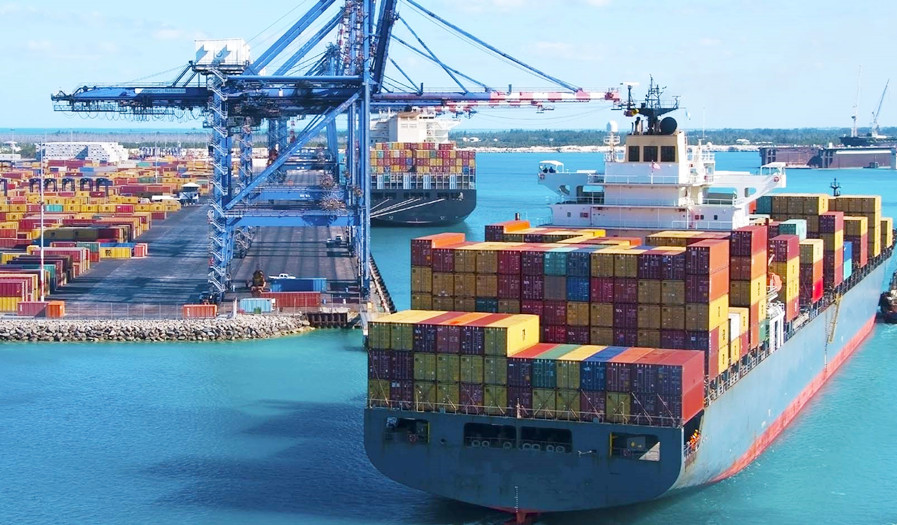
5. Which US Ports Handle Food Imports from Ch
- Los Angeles/Long Beach: Major hub for West Coast food imports.
- New York/New Jersey: Key for East Coast distribution.
- Houston: Strategic for Southern states.
- Miami: Popular for perishable products and Latin American re-exports.
6. What Customs and FDA Regulations Apply?
Food imports are strictly controlled. Importers must comply with:
- FDA Prior Notice Rule: Submit details before arrival.
- USDA Requirements: For meat, dairy, or plant-based items.
- Food Facility Registration: All manufacturers must be FDA-registered.
- ISPM-15 Standard: Wooden packaging materials must be heat-treated.
7.Conclusion
Managing food products sea freight China to USA requires compliance with FDA regulations, accurate documentation, and proper packaging. Sea freight is the most cost-effective method for bulk food imports, with reefer containers ensuring quality for perishable goods.
By consolidating shipments, planning ahead, and working with experienced freight forwarders, importers can reduce costs and minimize risks. China Top Freight provides professional, reliable, and affordable food shipping solutions, ensuring compliance and on-time delivery.
8. Request a Quote
China Top Freight offers:
- ✅ Origin and Destination Countries
- ✅ Cargo Type and Volume
- ✅ Preferred Transport Method (Air, Sea, Rail, Road)
- ✅ Delivery Timeline
- ✅ Special Handling Requirements (if any)
9. FAQ
Q1: What is the most important document for shipping food products to the USA?
The FDA Prior Notice is critical, as shipments without it may face rejection, delays, or penalties during US customs clearance.
Q2: How can small businesses ship food products affordably?
Small businesses can save by using LCL shipping, consolidating cargo, and working with freight forwarders who negotiate affordable carrier rates.
Q3: Do all food shipments require FDA approval?
Yes, all edible goods entering the USA must comply with FDA rules. Facilities must be registered, and products must meet labeling standards.
Q4: What packaging is best for frozen food imports?
Frozen products should be shipped in reefer containers with insulated cartons, proper temperature control, and sealed packaging to maintain product quality.
Q5: Can perishable food be shipped by sea from China to USA?
Perishables like seafood and fruits can be shipped if transported in refrigerated containers with temperature monitoring systems for safe delivery.