

- By ayla tj
- October 16, 2025
- Logistics Guide
Importers of automotive products face many challenges, from rising freight costs to strict customs regulations. Learning how to ship auto parts from China to USA is crucial for businesses that want to save money, avoid delays, and keep supply chains moving smoothly. Whether you’re shipping car engines, bumpers, or accessories, the right logistics strategy ensures your parts arrive on time and in perfect condition.
What Are the Main Shipping Methods for Auto Parts?
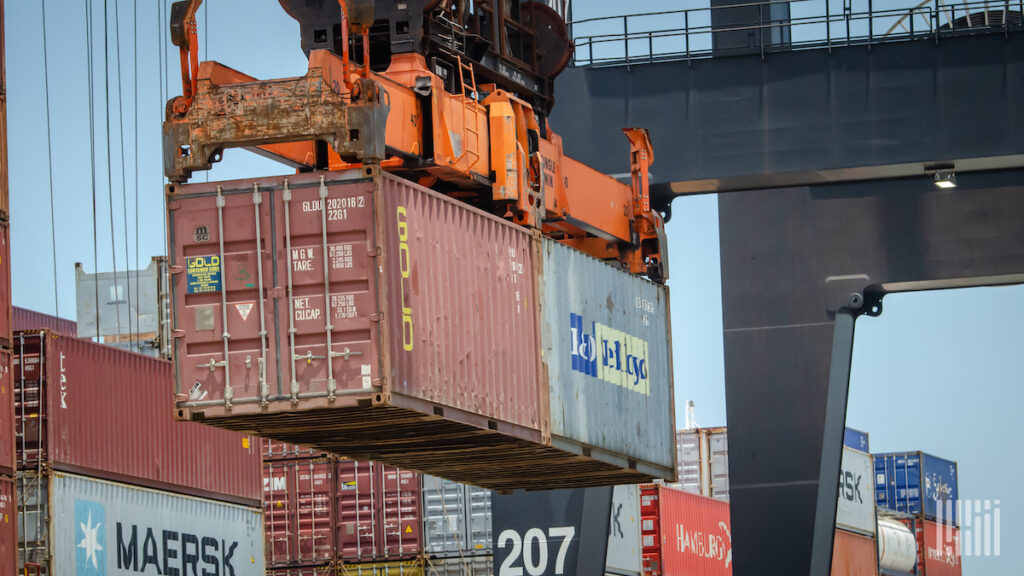
Auto parts can be shipped by air freight, sea freight, courier, or rail-sea multimodal solutions. Each option offers different costs, speeds, and benefits.
| Shipping Method | Transit Time | Average Cost | Pros | Cons |
|---|---|---|---|---|
| Air Freight | 5–10 days | $$$$ | Fastest delivery, good for urgent or valuable parts | Expensive, limited cargo size |
| Sea Freight | 25–40 days | $–$$ | Lowest cost for large shipments | Long transit, risk of port delays |
| Courier (DHL/FedEx) | 3–7 days | $$$$$ | Best for small parts and samples | Very costly for bulk cargo |
| Rail + Sea Multimodal | 22–30 days | $$–$$$ | Balanced cost/time, eco-friendly | More complex logistics |
How Much Does It Cost to Ship Auto Parts from China to USA?
Costs depend on cargo size, mode, and Incoterms. On average:
| Shipment Type | Estimated Cost (USD) | Notes |
|---|---|---|
| 20ft FCL (Sea) | $4,000 – $6,000 | Suitable for bulky auto parts |
| 40ft FCL (Sea) | $7,000 – $9,500 | Cost-effective for large volumes |
| Air Freight (per kg) | $6 – $12 | Fast but expensive |
| LCL (per CBM) | $100 – $150 | Shared container shipping |
How Long Does It Take to Ship Auto Parts?
Transit times vary by method and port of entry.
| Origin (China) | Destination (USA) | Sea Freight | Air Freight | Rail+Sea |
|---|---|---|---|---|
| Shanghai | Los Angeles | 18–22 days | 5–7 days | 20–25 days |
| Shenzhen | New York | 28–35 days | 6–8 days | 25–30 days |
| Ningbo | Houston | 25–30 days | 6–9 days | 22–28 days |
What are you waiting for?
Contact chinatopfreight for a fast, free quote.
Are you ready to book?
Access live instant freight quotes
What Documents Are Required to Ship Auto Parts?
To avoid clearance delays, accurate paperwork is critical.
| Document | Purpose |
|---|---|
| Commercial Invoice | Declares cargo value |
| Packing List | Details parts, weights, sizes |
| Bill of Lading (B/L) | Proof of shipment contract |
| Certificate of Origin | Determines duties & tariffs |
| Import License | Required for restricted auto components |
| MSDS (if applicable) | For hazardous materials like batteries |
How to Handle Customs Clearance for Auto Parts?
The U.S. requires compliance with CBP (Customs and Border Protection) rules. Key factors include:
- HS codes for specific car parts
- EPA and DOT compliance for engines and safety items
- Tariffs and import duties depending on product category
- GST and VAT equivalents for certain transactions
Professional freight forwarders simplify this process by filing documents, calculating duties, and ensuring compliance.
Should You Ship Auto Parts by Air or Sea?
The choice depends on urgency, budget, and cargo type.
- Air Freight: Best for urgent, high-value, or lightweight auto parts such as sensors, chips, or small accessories.
- Sea Freight: Ideal for heavy items like engines, transmissions, or bulk orders of body parts.
- Multimodal: Provides a balance of cost and time for medium-scale shipments.
How to Pack Auto Parts for International Shipping?

Proper packaging reduces damage risks. Recommended practices include:
- Use pallets or crates for engines and heavy machinery
- Wrap fragile parts with bubble wrap and foam
- Use moisture-proof materials for metal components
- Label hazardous cargo clearly (e.g., batteries, airbags)
What Incoterms Are Commonly Used for Auto Parts Shipping?
Understanding Incoterms defines cost responsibilities. Common terms include:
- FOB (Free on Board): Seller delivers goods to Chinese port; buyer handles freight and customs.
- CIF (Cost, Insurance, Freight): Seller covers freight and insurance to U.S. port.
- DAP (Delivered at Place): Seller covers all costs to buyer’s warehouse.
What Are the Common Challenges in Shipping Auto Parts?
Importers often face:
- Customs delays due to incomplete documents
- High costs for urgent shipments
- Packaging damage during long transit
- Tariff changes and regulatory updates
However, partnering with experienced freight forwarders helps overcome these issues.
Which U.S. Ports Are Best for Importing Auto Parts?
Major U.S. entry points for Chinese auto parts include:
- Los Angeles / Long Beach – Best for West Coast distribution
- New York / New Jersey – Access to East Coast markets
- Houston – Central hub for automotive distribution
How to Choose the Right Freight Forwarder?
To successfully manage how to ship auto parts from China to USA, businesses should select freight forwarders with:
- Proven experience in auto parts shipping
- Customs clearance expertise (EPA, DOT compliance)
- Insurance and cargo protection services
- Flexible FCL, LCL, and air freight options
- Real-time tracking systems
Conclusion
Learning how to ship auto parts from China to USA allows importers to optimize costs, reduce risks, and maintain supply chain reliability. Sea freight remains the most cost-effective for bulky cargo, while air freight suits urgent or high-value shipments. Moreover, professional freight forwarders ensure compliance with U.S. customs, EPA, and DOT regulations while providing packaging, consolidation, and insurance solutions. By choosing the right partner, businesses can streamline imports, cut costs, and strengthen their automotive supply chain.
FAQ
1. Can I import used auto parts from China to the USA?
Yes, but stricter regulations apply. Used engines and safety-related components require EPA/DOT compliance and thorough documentation.
2. Do I need special licenses for importing car batteries?
Yes. Batteries are classified as hazardous goods. Importers must meet MSDS documentation requirements and U.S. hazardous cargo regulations.
3. Can I ship small auto parts via courier?
Yes. Couriers like DHL or FedEx are fast for small shipments or samples, though expensive for larger volumes.
4. How are customs duties calculated for auto parts?
Duties are based on HS codes, declared value, and product category. CBP applies tariffs according to trade agreements and product classification.
5. Is cargo insurance necessary when shipping auto parts?
Yes. Auto parts are valuable and prone to damage. Comprehensive cargo insurance is highly recommended to cover loss or breakage.