

- By kelly
- October 16, 2025
- Logistics Guide
Fastest Way to Ship Food Products from China to UK: Complete 2025 Guide
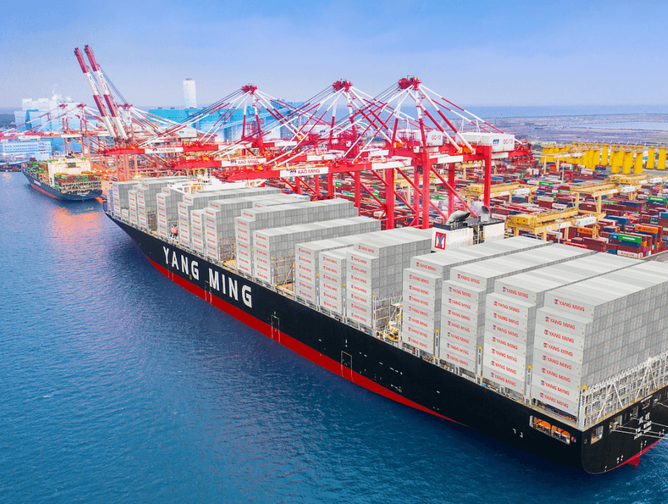
Shipping food products internationally requires balancing speed, safety, and cost. For importers sourcing from Asia, the fastest way to ship food products from China to UK is often air freight, though other solutions like express courier or multimodal options may also apply. This guide explains methods, costs, transit times, customs, and best practices for ensuring your perishable and packaged food arrives safely and on time.
1. Why Speed Matters When Shipping Food Products?
Food shipments often face challenges such as short shelf life, strict regulations, and consumer demand for freshness. Delays can lead to spoilage, losses, and penalties. Therefore, importers look for shipping methods that balance fast transit times with secure handling. Choosing the fastest solution helps maintain supply chain reliability and ensures retailers receive products ready for distribution.
2. What Is the Fastest Way to Ship Food Products from China to UK?
The quickest method is air freight, which takes 3–7 days depending on the service type. Express courier companies like DHL, FedEx, or UPS can deliver small food packages in 2–5 days. Although sea freight is cheaper, it takes 30–40 days, which is often too slow for perishable food.
| Shipping Method | Transit Time | Best Use Case | Average Cost |
|---|---|---|---|
| Express Courier | 2–5 days | Small, urgent parcels | $8–$12/kg |
| Standard Air Freight | 5–7 days | Larger food shipments | $5–$8/kg |
| Sea Freight | 30–40 days | Non-perishable bulk goods | $1,500–$2,500/container |
| Rail + Truck | 20–25 days | Shelf-stable food cargo | $2–$4/kg |
3. How Much Does It Cost to Ship Food from China to UK?
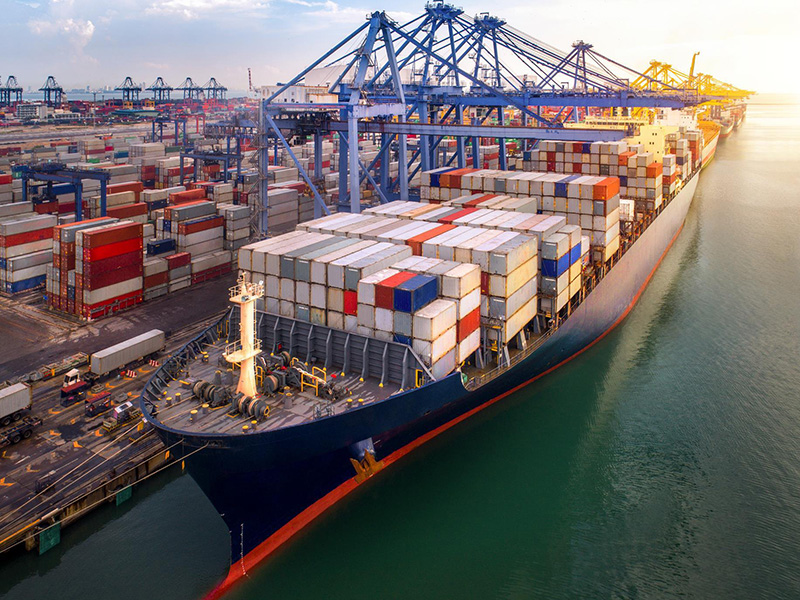
Shipping costs depend on weight, volume, and urgency. Since food can be bulky but light (like snacks or dried goods), dimensional weight is often used.
| Food Type | Shipping Method | Cost Estimate |
|---|---|---|
| Fresh Produce | Express Courier | $9–$12/kg |
| Packaged Snacks | Air Freight | $5–$8/kg |
| Frozen Foods | Air Freight with cold chain | $7–$10/kg |
| Canned Goods | Sea Freight (FCL) | $1,500–$2,500/container |
4. Which Types of Food Are Commonly Shipped by Air?
Not every product justifies fast air transport. However, food categories often shipped by air include:
- Fresh fruits and vegetables
- Frozen seafood and meat
- Dairy products (cheese, milk powder)
- Specialty packaged snacks and health foods
- E-commerce food orders for retailers and online shops
5. What Customs Requirements Apply for Food Imports into the UK?
The UK has strict food import rules under the Food Standards Agency (FSA). Common documents include:
| Document | Requirement |
|---|---|
| Commercial Invoice | Lists product details and value |
| Packing List | Shows packaging, weight, and count |
| Air Waybill | Proof of transport |
| Health Certificate | For animal-origin food |
| Phytosanitary Certificate | For plant products |
| Import License | For restricted categories |
| Customs Declaration (CHIEF/CDS) | Mandatory for UK import clearance |
Failure to prepare documents correctly may result in delays, fines, or rejection at the border.
6. Can Cold Chain Air Freight Ensure Food Safety?
7. Air Freight vs. Sea Freight for Food Products
| Factor | Air Freight | Sea Freight |
|---|---|---|
| Speed | 3–7 days | 30–40 days |
| Cost | $5–$12/kg | $1,500–$2,500 per container |
| Shelf Life Impact | Maintains freshness | Risk of spoilage |
| Best For | Perishable, urgent food | Non-perishable bulk items |
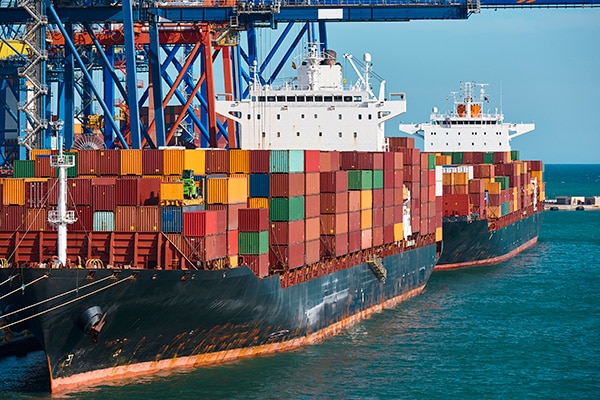
Air freight is faster but costly. Sea freight is economical but unsuitable for products with short shelf life.
8. How to Reduce Costs While Maintaining Speed?
Importers can optimize by:
- Consolidating smaller shipments into one air freight booking
- Using direct flights instead of transfers to reduce handling fees
- Mixing methods: ship bulk by sea, urgent goods by air
- Partnering with a freight forwarder experienced in food logistics
- Booking in advance during non-peak seasons
9. What Are the Key Airports and Ports for Food Shipping?
China Airports:
- Shanghai Pudong International (PVG)
- Guangzhou Baiyun International (CAN)
- Shenzhen Bao’an International (SZX)
- Beijing Capital International (PEK)
UK Airports:
- London Heathrow (LHR)
- Manchester Airport (MAN)
- East Midlands Airport (EMA)
Sea Ports (for bulk food):
- Shanghai Port → Felixstowe Port
- Shenzhen Port → London Gateway
10. Pros and Cons of Shipping Food Products by Air
| Pros | Cons |
|---|---|
| Fastest delivery (3–7 days) | Higher costs |
| Maintains freshness | Limited space for bulk cargo |
| Cold chain options available | Charged by dimensional weight |
| High reliability and security | Complex customs requirements |
📦Get a Free Quote
Partnering with an experienced freight forwarder helps you manage air freight rates, cold chain solutions, and customs paperwork. If you want to secure the fastest and most reliable way to ship food from China to the UK, request a tailored shipping quote today.
❓ Frequently Asked Questions
Q1: What is the fastest way to ship food products from China to UK?
Air freight or express courier services provide the quickest delivery, ranging between 2–7 days, depending on shipment size and urgency.
Q2: Can frozen food be shipped by air freight?
Yes, frozen foods are transported via cold chain air freight with temperature-controlled containers to maintain freshness during transit.
Q3: How much does it cost to ship snacks from China to UK by air?
Costs typically range between $5–$8 per kilogram, depending on airline rates, shipment size, and the freight forwarder chosen.
Q4: Do I need an import license to ship food into the UK?
Yes, for certain categories such as animal-origin and plant-based products. Always verify requirements with the UK Food Standards Agency.
Q5: Which UK airport is best for food imports from China?
London Heathrow (LHR) is the most reliable and busiest hub for perishable imports, with advanced cold chain handling facilities.
Conclusion
Choosing the fastest way to ship food products from China to UK is crucial for businesses dealing with perishable or time-sensitive goods. Air freight ensures delivery within 3–7 days, preserving freshness and meeting market demand. While costs are higher, the investment secures supply chain reliability. For businesses balancing speed and efficiency, a mix of air and sea freight may be ideal. Partnering with a skilled logistics provider helps navigate customs, cold chain solutions, and cost optimization.