

- By kelly
- October 17, 2025
- Logistics Guide
Time to Ship Home Goods from China to USA – Complete Guide
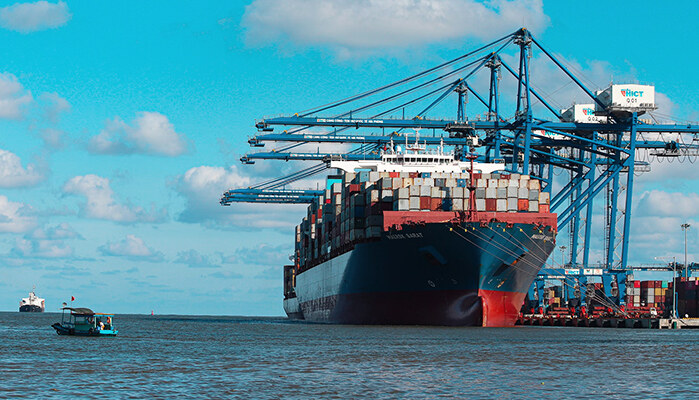
For importers, knowing the time to ship home goods from China to USA is essential for planning inventory, managing customer expectations, and controlling supply chain costs. However, transit times vary widely depending on shipping methods, customs clearance, and seasonal demand. In this guide, we explain each option, compare timelines and costs, and show how to choose the best freight solution for your business.
1. What Factors Affect the Time to Ship Home Goods from China to USA?
Several factors determine the duration of your shipment:
- Shipping method (air, sea, rail, courier).
- Origin and destination ports (Shanghai to Los Angeles is faster than Shenzhen to New York).
- Customs clearance speed on both sides.
- Peak seasons and holidays, which can cause congestion.
- Type of cargo (fragile, oversized, or regulated goods may need extra checks).
2. How Long Does Air Freight Take from China to USA?
Air freight is the fastest standard option. On average, it takes 5–9 days from pickup to delivery, including customs clearance. Direct flights from Shanghai, Guangzhou, or Beijing to major U.S. hubs like Los Angeles, Chicago, and New York offer consistent schedules.
Pros and Cons of Air Freight
| Pros | Cons |
|---|---|
| Fastest method for urgent shipments | Higher cost compared to sea freight |
| Suitable for fragile or high-value goods | Limited space for oversized cargo |
| Reliable schedules | Subject to airline security restrictions |
3. How Long Does Sea Freight Take from China to USA?
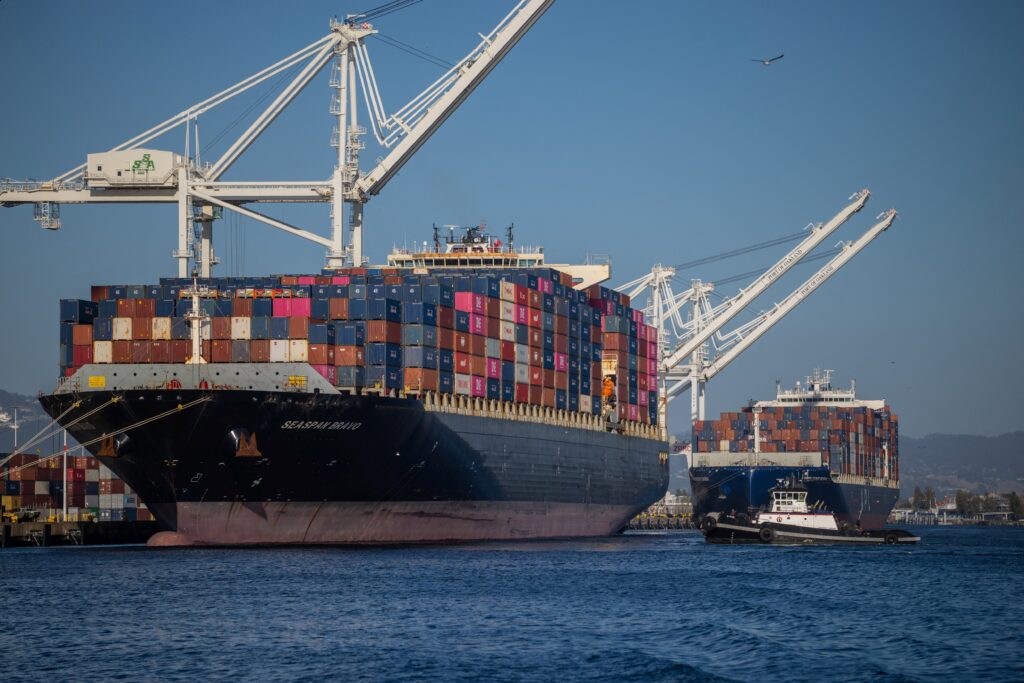
Sea freight remains the most cost-effective method for large volumes of home goods. However, it is also the slowest, with transit times ranging from 25–40 days depending on the route.
Table 1: Sea Freight Transit Times by Route
| Route (Port to Port) | Average Time |
|---|---|
| Shanghai – Los Angeles (West Coast) | 18–22 days |
| Shenzhen – Long Beach | 20–24 days |
| Ningbo – New York (East Coast) | 30–35 days |
| Guangzhou – Houston (Gulf Coast) | 28–32 days |
4. How Does Rail Freight Work for Shipments to the USA?
5. Can Express Courier Be Used for Home Goods?
6. What Is the Average Cost and Time Comparison?
Table 2: Shipping Method Comparison
| Method | Transit Time | Average Cost | Best For |
|---|---|---|---|
| Air Freight | 5–9 days | $6–$10/kg | Urgent, valuable, fragile shipments |
| Sea Freight (FCL) | 25–40 days | $2,800–$3,500/40ft | Large volume, cost-efficient cargo |
| Sea Freight (LCL) | 28–42 days | $80–$150/cbm | Small to medium loads |
| Rail + Sea | 22–28 days | $4,000–$5,000/container | Mid-cost, mid-speed solutions |
| Express Courier | 3–7 days | $10–$18/kg | Samples, small shipments |

7. What Customs Documents Are Required for Importing Home Goods?
Customs clearance significantly impacts total transit time. Missing documents can delay shipments by days or weeks.
Table 3: Essential Customs Documents
| Document | Purpose |
|---|---|
| Commercial Invoice | Declares shipment value and details |
| Packing List | Describes itemized goods |
| Bill of Lading / Air Waybill | Proof of shipment contract |
| HS Code Declaration | Classifies goods for tariffs |
| Importer Security Filing (ISF) | Required for ocean shipments to USA |
| Customs Bond | Mandatory for shipments over $2,500 |
8. How to Shorten the Shipping Time?
- Plan shipments outside peak seasons (avoid Chinese New Year and holiday surges).
- Choose direct routes instead of transshipment ports.
- Hire experienced freight forwarders to handle customs efficiently.
- Use priority services for air or sea freight to reduce delays.
9. What Are the Pros and Cons of Each Shipping Method?
Table 4: Pros and Cons Summary
| Method | Pros | Cons |
|---|---|---|
| Air Freight | Fast, reliable | Expensive, limited cargo size |
| Sea Freight | Low cost, large volumes | Long transit, port congestion |
| Rail + Sea | Balanced option | Complex routing, limited availability |
| Courier | Fastest, door-to-door | Very expensive per kg |
10. How Does Seasonality Affect Transit Time?
During Chinese New Year, Golden Week, and Christmas peak, capacity tightens and delays are common. Therefore, planning shipments at least 4–6 weeks in advance is recommended to secure space and avoid surcharges.
11. What Role Does Packaging Play in Shipping Time?
Proper packaging minimizes inspection delays and damage risks. For home goods:
- Use durable cartons with protective padding.
- Follow ISPM-15 wood packaging regulations for pallets.
- Clearly label boxes with HS codes and consignee information.
📦Get a Free Quote
Need expert guidance on the time to ship home goods from China to USA? Our freight specialists help you select the fastest, most cost-effective route while ensuring customs compliance and safe delivery. Contact us today for a tailored shipping solution.
❓ Frequently Asked Questions
1. How long does it take to ship home goods by air from China to USA?
Air freight usually takes 5–9 days, including customs clearance. It is the fastest option for time-sensitive shipments.
2. Is sea freight cheaper than air freight for home goods?
Yes. Sea freight costs less per unit, making it the most economical choice for bulky or large-volume cargo.
3. What is the best method to ship small home goods orders?
Express couriers like DHL or FedEx are best for small, urgent orders weighing under 100 kg.
4. How can I avoid customs delays in the USA?
Prepare accurate documents, hire an experienced freight forwarder, and ensure HS codes and product classifications are correct.
5. Can I track my shipment from China to the USA?
Yes. Most freight forwarders provide real-time tracking for sea, air, and courier shipments, improving supply chain visibility.
Conclusion
The time to ship home goods from China to USA depends on the shipping method, cargo size, and customs process. Air freight offers the fastest solution, while sea freight remains the most economical for large shipments. Rail-sea combinations provide a balanced alternative, and couriers serve urgent small loads. By planning ahead, selecting the right method, and ensuring compliance, businesses can minimize delays and optimize their supply chains.