

- By kelly
- October 17, 2025
- Logistics Guide
Food Products Freight China to USA – Complete Guide
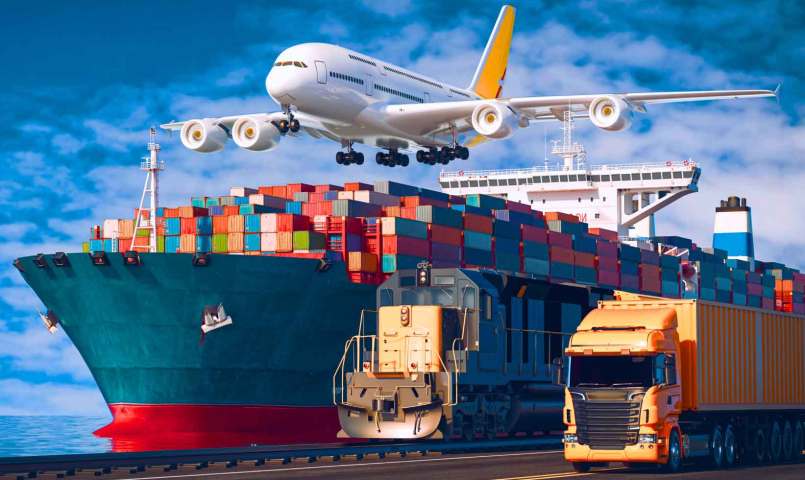
The demand for importing packaged foods, beverages, and specialty items has made food products freight China to USA a crucial part of global trade. However, shipping food is more complex than standard cargo because it requires strict compliance with U.S. FDA regulations, special packaging, and temperature-controlled transport. Moreover, costs, transit times, and customs processes can vary widely, making it essential for importers to understand their options before shipping.
1. Why Is Shipping Food Products More Complicated?
Unlike electronics or textiles, food products are perishable and highly regulated. Therefore, shippers must consider:
- Shelf life and temperature requirements.
- Strict FDA and USDA compliance.
- Special labeling and packaging laws.
- Customs clearance risks like inspections or product rejections.
2. What Are the Main Shipping Methods for Food Products Freight China to USA?
Food products can be shipped via air freight, sea freight (FCL/LCL), or courier services, depending on urgency, cost, and volume.
Table 1: Shipping Method Comparison
| Method | Transit Time | Avg. Cost | Best For | Pros | Cons |
|---|---|---|---|---|---|
| Air Freight | 5–9 days | $6–$12/kg | Perishables, urgent goods | Fast, reliable | Expensive for bulk |
| Sea Freight FCL | 28–35 days | $2,500–$3,200/40ft | Bulk shipments | Cost-effective | Long transit times |
| Sea Freight LCL | 30–40 days | $80–$150/cbm | Small shipments | Flexible | Risk of mixing cargo |
| Courier | 3–6 days | $10–$18/kg | Samples or small urgent items | Fastest door-to-door | High cost |
3. How Long Does Food Shipping Take from China to USA?
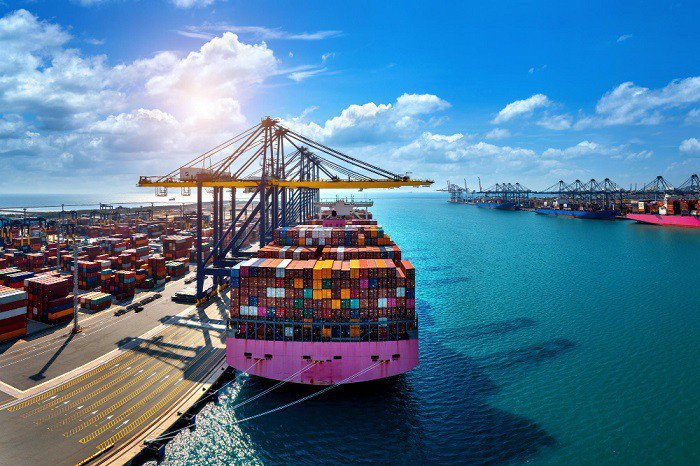
Transit times depend on method and destination.
Table 2: Transit Times by Route
| Route (China–USA) | Air Freight | Sea Freight | Courier |
|---|---|---|---|
| Shanghai – Los Angeles | 5–7 days | 18–22 days | 3–5 days |
| Shenzhen – New York | 6–9 days | 30–35 days | 4–6 days |
| Ningbo – Houston | 6–8 days | 28–32 days | 4–6 days |
4. What Customs Documents Are Required for Food Imports?
Importing food into the USA requires specific certifications and filings.
Table 3: Customs Documents Checklist
| Document | Purpose |
|---|---|
| Commercial Invoice | Declares value and goods |
| Packing List | Itemized cargo details |
| Bill of Lading / Air Waybill | Proof of shipment |
| Prior Notice (FDA) | Required before food enters USA |
| Food Facility Registration (FDA) | Confirms supplier is FDA-registered |
| Importer Security Filing (ISF) | For ocean freight shipments |
| Certificates of Origin/Health | Confirms compliance with safety standards |
5. How Much Does It Cost to Ship Food Products?
Costs vary by shipment size, urgency, and temperature requirements.
Table 4: Example Food Product Shipping Costs
| Cargo Type | Air Freight (per kg) | Sea Freight (per container) | Courier (per kg) |
|---|---|---|---|
| Packaged Snacks | $6–$9 | $2,800–$3,200 | $12–$16 |
| Beverages (non-alcohol) | $7–$10 | $3,000–$3,400 | $12–$18 |
| Frozen Seafood | $8–$12 | $3,200–$3,600 (reefer) | $15–$18 |
6. Should You Use Reefer Containers for Food Products?
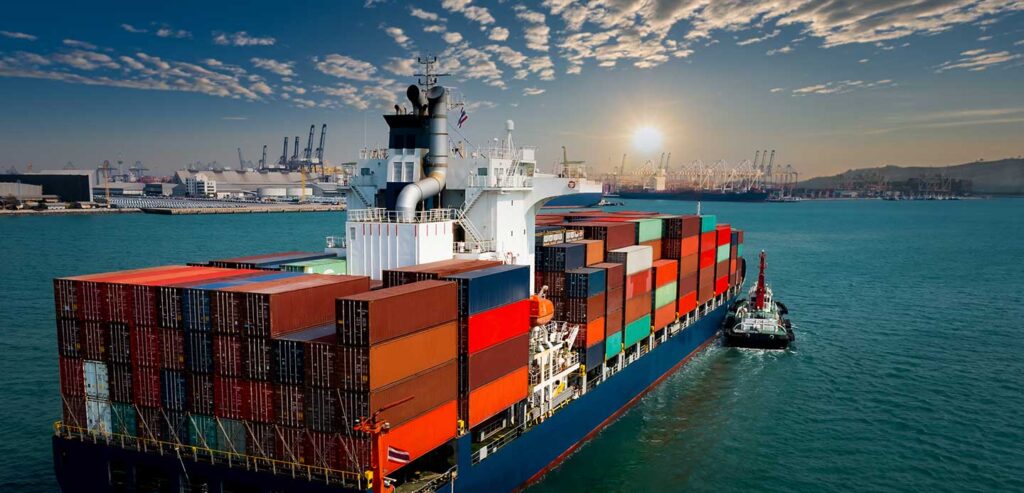
Yes. For frozen or chilled products, reefer containers are essential. They maintain constant temperatures between -20°C to +25°C, ensuring food arrives safe and fresh.
7. What Are the Pros and Cons of Each Shipping Option?
Table 5: Pros and Cons Summary
| Method | Pros | Cons |
|---|---|---|
| Air Freight | Fast, ideal for perishables | Expensive |
| Sea Freight | Economical for bulk cargo | Slow |
| Courier | Convenient and quick | Not cost-effective for large loads |
8. What Are FDA Requirements for Food Imports?
The U.S. FDA (Food and Drug Administration) enforces strict rules:
- All facilities exporting food must be FDA-registered.
- Importers must file a Prior Notice before goods ship.
- Labels must include ingredients, allergens, nutritional facts, and country of origin.
- Certain products may require health certificates.
9. How to Avoid Delays in Food Products Freight?
- Submit documents early to avoid customs rejections.
- Use FDA-compliant suppliers in China.
- Book reefer containers in advance for perishable goods.
- Hire a freight forwarder experienced in food imports.
10. Which U.S. Ports Handle the Most Food Imports?
- Los Angeles / Long Beach – West Coast hub.
- New York / New Jersey – Major East Coast port.
- Houston – Central and Gulf Coast imports.
- Savannah – Growing hub for food logistics.
11. What Are the Latest Trends in Food Product Logistics?
- E-commerce growth increasing small parcel shipments.
- Green logistics shifting demand toward eco-friendly shipping.
- Smart tracking systems improving supply chain visibility.
- High demand for reefer capacity due to frozen and chilled food trade.
📦Get a Free Quote
Do you need reliable solutions for food products freight China to USA? Our expert team ensures FDA compliance, temperature-controlled logistics, and cost-effective delivery. Contact us today for a customized freight quote tailored to your food import needs.
❓ Frequently Asked Questions
1. How long does it take to ship food products from China to USA?
Air freight takes 5–9 days, while sea freight takes 25–35 days, depending on port and customs clearance.
2. Do I need FDA registration to import food into the USA?
Yes. Both the Chinese exporter and U.S. importer must be FDA-registered before shipping food products.
3. What is the cheapest way to ship food products?
Sea freight FCL is the most economical for large shipments, especially when using reefer containers for perishable goods.
4. Can I ship frozen food from China to USA?
Yes. Frozen foods must be transported in refrigerated containers and comply with U.S. FDA and USDA regulations.
5. What documents are required for food imports?
Commercial invoice, packing list, bill of lading, FDA Prior Notice, FDA registration proof, and certificates of origin.
Conclusion
The food products freight China to USA process is complex, requiring strict compliance with FDA regulations, proper documentation, and temperature-controlled shipping. While air freight is ideal for urgent perishables, sea freight remains the most cost-effective option for large shipments. Couriers serve small, urgent orders. By planning ahead, booking reefer containers, and working with experienced logistics partners, importers can achieve safe, timely, and cost-efficient delivery of food products to U.S. markets.