

- By kelly
- October 17, 2025
- Logistics Guide
Cost to Ship Machinery from China to UK: Complete 2025 Guide
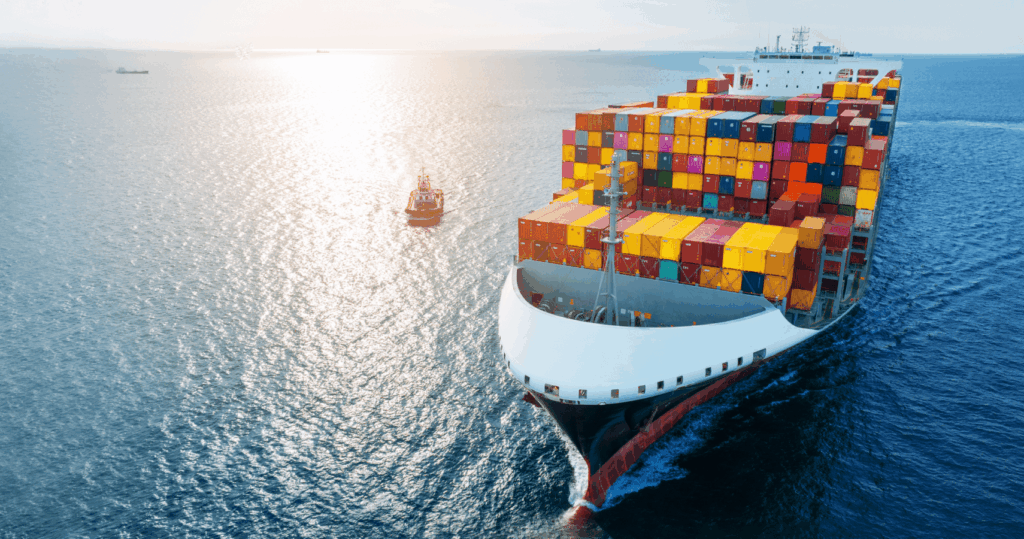
If you are planning large-scale imports, one of the first questions is the cost to ship machinery from China to UK. Machinery shipments are complex due to size, weight, and customs clearance requirements. However, with the right strategy, importers can optimize costs, reduce delays, and ensure smooth delivery. This guide explores shipping methods, costs, transit times, and required documents for machinery imports.
1. Why Is Machinery Shipping More Complex Than Other Goods?
Heavy machinery, industrial equipment, and manufacturing systems are often oversized, fragile, or high-value. Therefore, logistics providers must handle:
- Oversized dimensions requiring special containers or breakbulk solutions.
- Heavy weight impacting freight class and cost.
- Customs clearance with strict HS codes and safety compliance.
- Insurance coverage to protect high-value goods.
2. What Shipping Methods Are Available for Machinery Imports?
The best method depends on the type of machinery, delivery schedule, and budget.
Table 1: Shipping Method Comparison
| Method | Avg. Cost Estimate | Transit Time | Pros | Cons |
|---|---|---|---|---|
| Sea Freight (FCL) | $2,500–$4,000 / 40ft container | 28–35 days | Cheapest for bulk | Long lead time |
| Sea Freight (LCL) | $120–$180 / cbm | 35–42 days | Flexible for small loads | Slower & handling risks |
| Air Freight | $6–$9 / kg | 6–9 days | Fast & secure | Expensive |
| Rail Freight | $4,000–$5,500 / 40ft | 20–25 days | Faster than sea | Limited routes |
| Courier / Express | $10–$15 / kg | 4–7 days | Door-to-door | Too costly for large items |
3. How Much Does It Cost to Ship Machinery from China to UK?
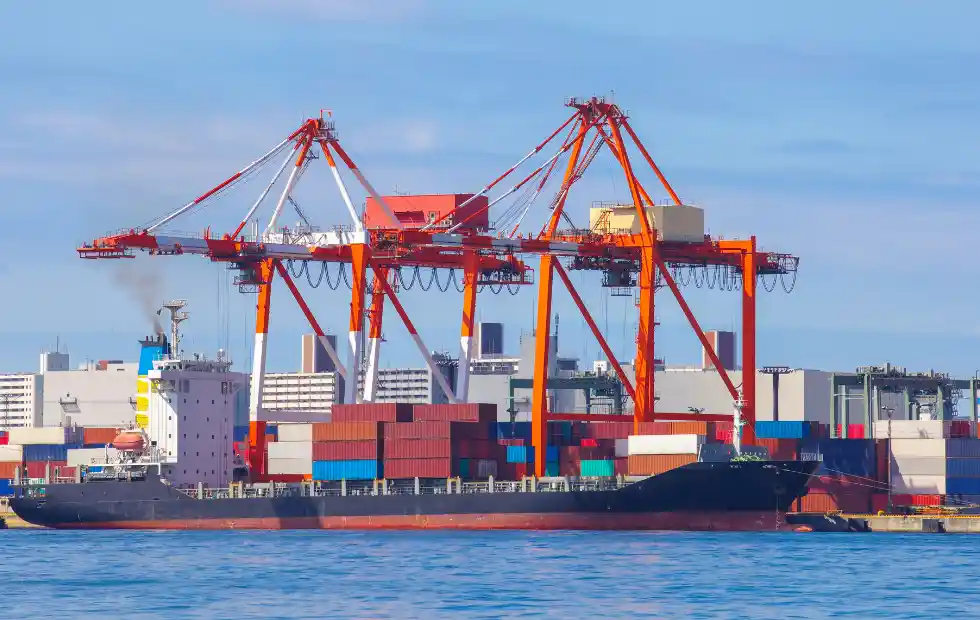
Costs vary by shipping mode, weight, and urgency.
- FCL (Full Container Load): Best for heavy or oversized machinery. A 40ft container costs between $2,500–$4,000 depending on season.
- Air Freight: Costs $6–$9/kg, often exceeding $20,000 for large machines. Used only for urgent spare parts or smaller equipment.
- Rail Freight: A balance of speed and cost, with $4,000–$5,500 per container.
- Courier: Used for samples, accessories, or small parts.
4. What Factors Influence Machinery Shipping Costs?
- Weight & dimensions – Heavier and bulkier cargo increases cost significantly.
- Incoterms (FOB, CIF, DDP): Defines which party pays shipping and customs duties.
- Port congestion: Delays at Felixstowe, Southampton, or London Gateway may add storage fees.
- Customs duties & VAT: Machinery typically incurs 0–4% duty plus 20% VAT.
- Fuel surcharges and seasonality: Rates peak before Chinese New Year and during global trade surges.
5. What Documents Are Required for Machinery Imports?
Documentation is crucial for customs clearance.
Table 2: Customs Documents Checklist
| Document | Purpose | Required For |
|---|---|---|
| Commercial Invoice | Declares value, HS codes | All shipments |
| Packing List | Lists dimensions, weight | All shipments |
| Bill of Lading / AWB | Proof of carriage | Sea & Air freight |
| Certificate of Origin | Confirms country of manufacture | Tariff application |
| Import License | For restricted machinery types | Certain HS codes |
| Insurance Certificate | Protects cargo | Recommended |
| EORI Number | Importer registration | Mandatory in UK |
6. How Long Does It Take to Ship Machinery?
Transit times depend on the chosen method.
Table 3: Average Transit Time by Mode
| Mode | Transit Time (China → UK) |
|---|---|
| Air Freight | 6–9 days |
| Sea Freight (FCL) | 28–35 days |
| Sea Freight (LCL) | 35–42 days |
| Rail Freight | 20–25 days |
| Courier/Express | 4–7 days |
7. Should You Choose FCL or LCL for Machinery?
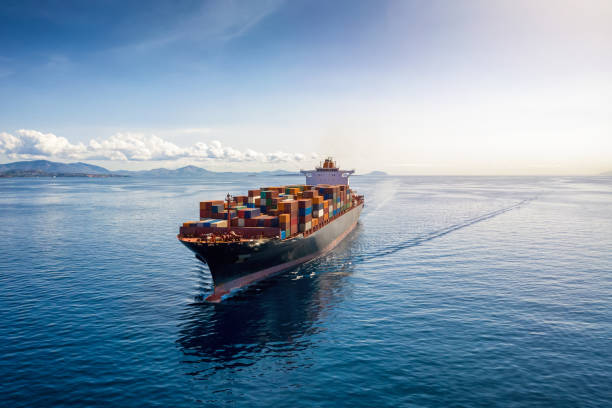
- FCL (Full Container Load): Recommended for bulky or heavy-duty machinery, providing safety and direct shipping.
- LCL (Less than Container Load): Suitable for smaller shipments, though goods may face higher handling and delays.
8. What Are the Pros and Cons of Each Freight Mode?
Table 4: Pros and Cons of Freight Options
| Mode | Pros | Cons |
|---|---|---|
| Air Freight | Fast, reliable | Very expensive |
| Sea Freight | Cost-effective for bulk | Long lead times |
| Rail Freight | Balanced cost & speed | Limited availability |
| Courier | Door-to-door, fastest | Only for small parts |
9. What Are Common Customs Challenges?
- Misclassification of machinery HS codes.
- Missing certificates of conformity for electrical/mechanical goods.
- Incomplete invoices delaying clearance.
- VAT and duty underpayment disputes.
10. Which UK Ports and Terminals Handle Machinery Imports?
- Felixstowe: Largest UK container port.
- Southampton: Strong for heavy machinery shipments.
- London Gateway: Strategic for fast inland trucking.
- Liverpool: Serving northern UK industries.
11. How Can Importers Reduce Shipping Costs?
- Consolidate shipments into FCL instead of multiple LCL loads.
- Ship during off-peak seasons for better rates.
- Work with an experienced China–UK freight forwarder.
- Verify HS codes to avoid overpaying customs duties.
- Insure high-value cargo to protect against financial risks.
12. Example: Cost Breakdown for a 40ft Container of Machinery
| Cost Component | Estimated Range |
|---|---|
| Ocean Freight (40ft) | $2,800–$3,500 |
| Port Charges China | $150–$250 |
| UK Port Handling | $300–$500 |
| Customs Duty (2–4%) | $400–$800 |
| VAT (20%) | Based on CIF value |
| Insurance | $100–$300 |
📦Get a Free Quote
Transporting industrial machinery is a major investment. If you want a reliable estimate of the cost to ship machinery from China to UK, working with a professional freight forwarder ensures transparent pricing, proper documentation, and timely delivery. Contact us today to request a tailored quotation.
❓ Frequently Asked Questions
1. What is the cheapest way to ship machinery from China to UK?
Sea freight FCL is the most cost-effective for large and heavy equipment.
2. How much does air freight cost for machinery?
Typically $6–$9 per kg, making it suitable only for urgent spare parts.
3. Do I need an import license for machinery?
Some machinery requires special permits depending on HS codes. Always confirm with UK customs.
4. What are the most common mistakes importers make?
Incorrect HS codes, missing documents, and underestimating VAT or port charges.
5. How do I calculate customs duty for machinery?
Duty is based on HS code classification and CIF value of the goods.
Conclusion
The cost to ship machinery from China to UK depends on weight, size, shipping mode, and compliance requirements. Sea freight offers the most economical solution for bulky equipment, while air freight is reserved for urgent parts. Importers must prepare a commercial invoice, packing list, bill of lading, and HS code declaration to ensure customs clearance.
By planning ahead, consolidating shipments, and choosing the right freight forwarder, businesses can control costs and keep supply chains running smoothly.