

- By kelly
- October 20, 2025
- Logistics Guide
Food Products Sea Freight China to UK: Costs, Customs & Complete Guide

Shipping food products sea freight China to UK is one of the most cost-effective methods for importers who want to balance budget, compliance, and reliability. However, importers face challenges such as long transit times, customs clearance procedures, and strict food safety standards. This guide explains everything you need to know to ensure smooth delivery.
What Makes Sea Freight the Best Choice for Food Products?
Sea freight is the preferred method for food product imports due to its lower shipping costs compared with air freight. Moreover, containers can be refrigerated or temperature-controlled to preserve perishable items. While transit is slower, sea freight provides scalability for bulk shipments at affordable rates.
How Much Does Sea Freight Cost for Food Products from China to UK?
Sea freight costs depend on container size, port of origin, UK destination, and additional services like customs clearance or cold chain logistics. Rates are usually calculated either by FCL (Full Container Load) or LCL (Less than Container Load).
| Shipping Option | Average Cost (USD) | Volume/Weight | Notes |
|---|---|---|---|
| LCL (per CBM) | $80 – $120 | <15 CBM | Suitable for small food shipments |
| FCL 20FT | $1,200 – $1,800 | 28–30 CBM | Ideal for medium-sized food importers |
| FCL 40FT | $2,000 – $2,900 | 58–60 CBM | Best for large-scale food product imports |
| Reefer Container | +20–30% surcharge | Variable | Required for frozen or temperature-sensitive goods |
What Is the Transit Time from China to the UK by Sea?
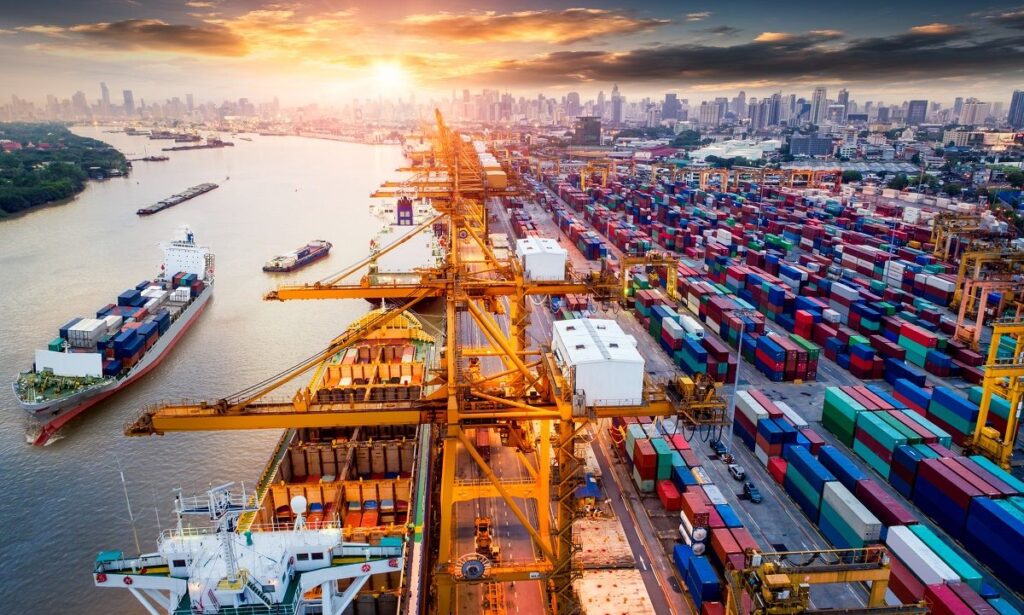
Transit time varies by route and shipping line. Direct sailings are faster but more expensive, while transshipment adds time but reduces costs.
| Port of Loading (China) | Port of Discharge (UK) | Transit Time (Days) |
|---|---|---|
| Shanghai | Felixstowe | 28–32 |
| Shenzhen | London Gateway | 27–30 |
| Qingdao | Southampton | 30–35 |
| Ningbo | Liverpool | 32–36 |
What Customs Documents Are Required for Importing Food Products?
To ensure compliance, importers must prepare several essential documents. Missing paperwork can result in delays or additional fees.
| Document | Purpose |
|---|---|
| Bill of Lading (B/L) | Proof of carriage and ownership |
| Commercial Invoice | Declares goods and value |
| Packing List | Details product quantity, weight, and packaging |
| Health Certificate | Confirms compliance with food safety standards |
| Import License (if required) | For restricted food categories |
| Phytosanitary Certificate | For fresh produce or plant-based items |
Why Is Cold Chain Logistics Important for Food Shipments?
Should Importers Choose FCL or LCL for Food Shipments?
- FCL (Full Container Load): Better for bulk food imports, reduces risk of contamination, faster handling.
- LCL (Less than Container Load): More economical for smaller shipments but may face longer clearance due to consolidation.
| Option | Pros | Cons |
|---|---|---|
| FCL | Faster clearance, secure, cost-efficient for bulk | Higher upfront cost |
| LCL | Lower entry cost, flexible for small importers | Higher per CBM cost, risk of delays |
How Does Sea Freight Compare with Air and Rail for Food Products?
| Method | Cost | Transit Time | Best For | Cons |
|---|---|---|---|---|
| Sea Freight | $$ | 27–35 days | Bulk, cost-sensitive shipments | Slower |
| Air Freight | $$$$ | 3–7 days | Urgent, perishable foods | High cost |
| Rail Freight | $$$ | 18–22 days | Balanced speed/cost | Limited reefer capacity |
Can Importers Save Money on Food Sea Freight from China to UK?
Yes, there are several strategies:
- Consolidate shipments to maximize container space.
- Work with freight forwarders who offer contract rates with carriers.
- Choose off-peak shipping seasons.
- Optimize packaging to reduce volume.
What Are the Main Challenges in Shipping Food Products by Sea?
- Customs Delays: Stricter checks on food items.
- Temperature Sensitivity: Reefer breakdowns can cause losses.
- Documentation Errors: Missing health certificates cause rejections.
- Long Transit Time: Risk of spoilage if cold chain is compromised.
Key Tips for Smooth Import of Food Products to UK
- Partner with experienced freight forwarders familiar with food product regulations.
- Use reefer containers for perishables.
- Prepare customs paperwork early.
- Monitor shipments via GPS and temperature tracking.
- Stay updated on Brexit-related import regulations.
📦Get a Free Quote
Looking to ship food products sea freight China to UK at competitive rates? Partner with a trusted freight forwarder who specializes in food logistics. Contact us today for a free quote and ensure safe, compliant, and cost-effective shipping of your food products.
❓ Frequently Asked Questions
Q1: Can I ship frozen food products by sea from China to the UK?
Yes, with reefer containers that maintain temperature and comply with UK import food safety standards.
Q2: What taxes or duties apply when importing food products?
Duties and VAT depend on HS code classification. Always check the UK Global Tariff before shipping.
Q3: Do I need an import license for all food shipments?
No, but restricted products like meat, dairy, and fresh produce often require special licenses and certificates.
Q4: How do I reduce the risk of shipment delays?
Prepare documents carefully, choose direct routes, and work with experienced freight forwarders.
Q5: Is sea freight suitable for perishable goods?
Yes, if reefer containers and cold chain monitoring are used throughout the journey.
Conclusion
Shipping food products sea freight China to UK is a reliable and cost-efficient solution for bulk importers. While transit times are longer compared to air freight, the affordability and scalability make it the preferred choice. With proper customs documentation, reefer containers, and expert freight forwarding support, importers can ensure smooth, compliant, and profitable supply chains.