

- By kelly
- October 20, 2025
- Logistics Guide
Computer Parts Sea Freight China to Europe: Complete Guide for Importers

Shipping computer parts sea freight China to Europe remains one of the most cost-effective and reliable options for importers. While air freight is faster, sea freight provides a balance between large cargo capacity and lower costs. Importers face challenges such as customs clearance, documentation, and choosing the right shipping method. This guide explains costs, transit times, customs requirements, and practical strategies to simplify your supply chain.
1. Why Choose Sea Freight for Computer Parts from China to Europe?
Sea freight is preferred because it allows businesses to ship bulk quantities at affordable rates. Compared with air freight, it reduces costs significantly. Additionally, sea freight accommodates delicate or bulky shipments such as computer cases, servers, and components.
2. How Much Does It Cost to Ship Computer Parts by Sea Freight?
Sea freight rates depend on container size, shipping line, and destination port.
| Container Type | Average Cost (China → Europe) | Capacity | Best For |
|---|---|---|---|
| 20FT FCL | $2,000 – $3,500 | 28 CBM | Small to mid-sized shipments |
| 40FT FCL | $3,500 – $5,500 | 58 CBM | Large shipments, wholesalers |
| LCL (per CBM) | $120 – $180 | Shared | Small businesses, startups |
Costs fluctuate due to fuel surcharges, demand, and shipping line contracts.
3. What Is the Transit Time for Computer Parts Sea Freight China to Europe?
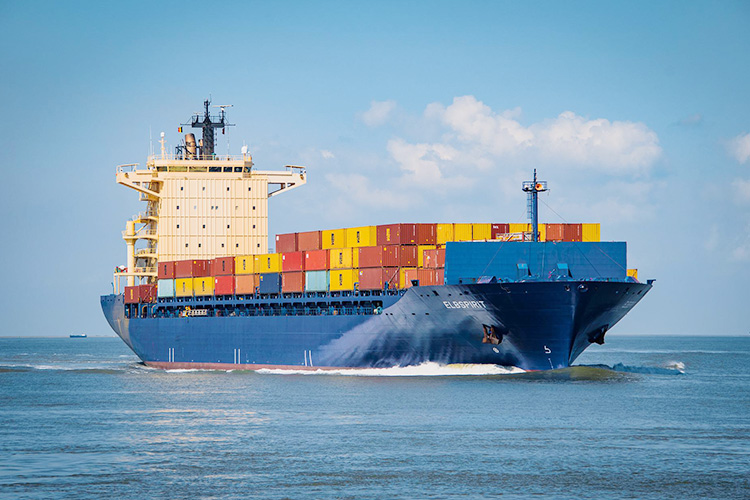
Transit times vary based on port of loading and discharge.
| Route | Average Transit Time |
|---|---|
| Shanghai → Rotterdam | 30–35 days |
| Shenzhen → Hamburg | 32–36 days |
| Ningbo → Antwerp | 28–33 days |
| Qingdao → Valencia | 35–40 days |
Although slower than air freight, sea freight offers predictable schedules with weekly sailings.
4. What Documents Are Needed for Shipping Computer Parts?
Proper documentation ensures smooth customs clearance.
| Document | Purpose |
|---|---|
| Bill of Lading | Contract of carriage |
| Commercial Invoice | Declares product value |
| Packing List | Itemized shipment details |
| Import License (if required) | Country-specific regulations |
| CE/RoHS Compliance | Required for electronic goods |
| Customs Declaration | Legal clearance for entry |
Without accurate documents, importers may face delays, penalties, or confiscation.
5. How to Choose Between FCL and LCL for Computer Parts?
- FCL (Full Container Load): Best for large orders, safer handling, lower per-unit cost.
- LCL (Less than Container Load): Suitable for smaller shipments, flexible but prone to consolidation delays.
6. Should You Use Air vs. Sea vs. Rail Freight for Computer Parts?
| Method | Cost | Speed | Best For | Cons |
|---|---|---|---|---|
| Air Freight | $$$ | 5–7 days | Urgent, high-value parts | Expensive |
| Sea Freight | $ | 30–40 days | Bulk shipments | Slow transit |
| Rail Freight | $$ | 18–22 days | Eurasian routes | Limited ports |
Sea freight is ideal for balancing cost and capacity, especially for regular importers.

7. What Customs Duties and Taxes Apply to Computer Parts?
8. How Can Importers Reduce Shipping Costs?
- Book with contract carriers like COSCO, OOCL, EMC, MSK, or HMM.
- Use freight forwarders offering consolidation services.
- Plan shipments in advance to avoid peak-season surcharges.
- Optimize packaging to maximize container utilization.
9. Common Challenges in Shipping Computer Parts from China to Europe
- Delays during peak season.
- Customs inspections due to electronic components.
- Damage risks for fragile parts such as motherboards or GPUs.
- Regulatory compliance with CE, WEEE, and RoHS directives.
However, experienced freight forwarders mitigate risks with proper handling and insurance.
10. Do You Need Insurance for Sea Freight Shipments?
Yes, marine cargo insurance protects against damage, theft, and loss. Policies usually cover All Risk or Free of Particular Average (FPA). Since computer parts are fragile and high-value, insurance is highly recommended.
11. How to Track Your Shipment from China to Europe?
Most shipping lines and freight forwarders provide online tracking portals. Tracking numbers linked to the Bill of Lading allow importers to monitor container movement, ETA updates, and customs clearance progress.
12. Pros and Cons of Sea Freight for Computer Parts
| Pros | Cons |
|---|---|
| Cost-effective for large shipments | Longer transit times |
| High container capacity | Customs complexity |
| Lower carbon footprint compared to air | Risk of port congestion |
| Flexible loading schedules | Potential for damage if poorly packed |
📦Get a Free Quote
Before we move to the FAQ section, remember that if you’re planning computer parts sea freight China to Europe, working with an experienced logistics provider ensures smooth customs clearance, reliable schedules, and competitive rates. Contact us today for a tailored quote and professional guidance.
❓ Frequently Asked Questions
1. What is the cheapest way to ship computer parts from China to Europe?
Sea freight is the cheapest method, especially for bulk shipments. LCL consolidations lower costs for small businesses, while FCL offers savings for large orders.
2. How long does customs clearance take for computer parts in Europe?
On average, customs clearance takes 1–3 days if documents are correct. However, inspections or compliance issues may extend clearance time.
3. Can I ship used computer parts from China to Europe?
Yes, but you must ensure compliance with WEEE and RoHS regulations. Some EU countries impose restrictions on used electronic goods.
4. Do computer parts require special packaging for sea freight?
Yes, sensitive items such as GPUs and motherboards require anti-static packaging, cushioning, and moisture protection for safe transport.
5. Is rail freight a good alternative for shipping computer parts?
Rail freight is faster than sea and cheaper than air. It suits shipments to Central and Eastern Europe but has limited coverage.
Conclusion
Shipping computer parts sea freight China to Europe is an efficient solution for businesses seeking lower costs and larger volumes. Although slower than air freight, it provides predictable transit times, strong carrier networks, and affordability. By preparing documents correctly, choosing the right container option, and working with an experienced freight forwarder, importers can streamline their supply chain and avoid costly delays.