

- By kelly
- October 20, 2025
- Logistics Guide
Cost to Ship Machinery from China to Europe: Complete Guide for Importers
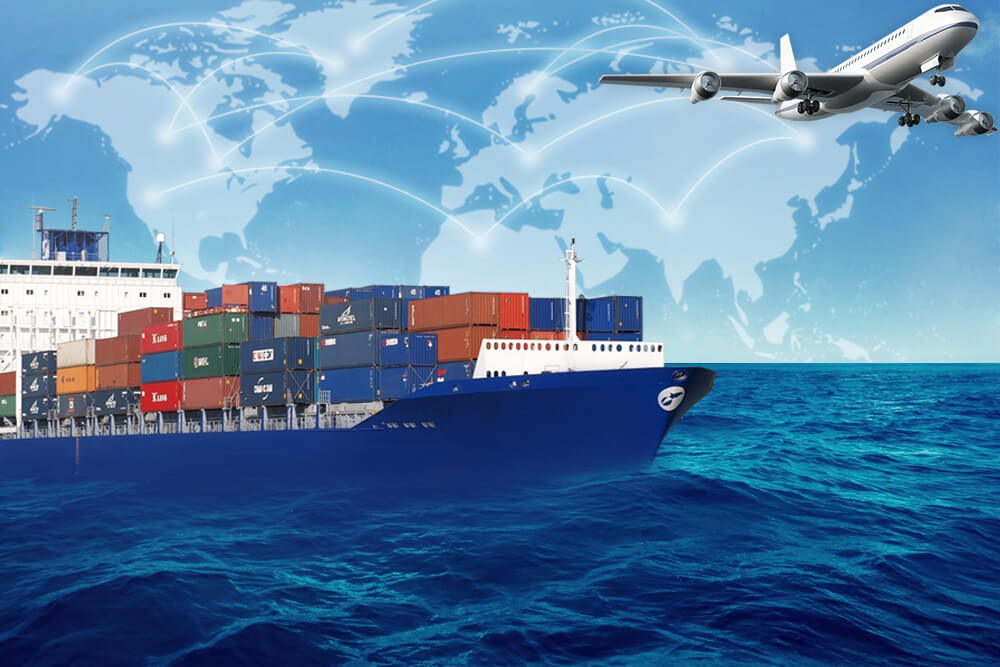
When considering the cost to ship machinery from China to Europe, importers must balance price, speed, and compliance. Machinery shipments often involve oversized, heavy, or high-value cargo, making logistics planning crucial. This guide explains shipping costs, methods, customs regulations, and best practices to ensure safe and efficient machinery transport.
1. What Factors Affect the Cost to Ship Machinery from China to Europe?
Several variables determine final shipping costs:
- Weight and size of machinery – Oversized equipment often requires flat racks or open-top containers.
- Shipping method – Sea, air, or rail freight each impacts cost differently.
- Origin and destination ports – Popular routes are cheaper due to higher traffic.
- Incoterms – Defines responsibility for costs and risks between buyer and seller.
- Customs duties and VAT – Varies by EU country and machinery classification.
2. How Much Does It Cost to Ship Machinery by Sea Freight?
Sea freight remains the most economical choice for heavy machinery.
| Container Type | Average Cost (USD) | Transit Time | Best For |
|---|---|---|---|
| 20FT FCL | $2,200 – $3,400 | 28–35 days | Small to medium machinery |
| 40FT FCL | $3,600 – $5,800 | 28–35 days | Large or multiple machines |
| LCL (per CBM) | $120 – $160 | 32–40 days | Smaller shipments |
Note: Prices vary based on season, shipping line contracts, and fuel surcharges.
3. How Much Does It Cost to Ship Machinery by Air Freight?
Air freight is faster but significantly more expensive.
| Weight/Volume | Average Cost (USD) | Transit Time |
|---|---|---|
| 100–300 kg | $6 – $8/kg | 5–7 days |
| 300–500 kg | $5 – $7/kg | 5–7 days |
| 500+ kg (cargo plane) | Negotiated | 5–7 days |
Air freight is only viable for urgent, high-value, or smaller machinery.
4. Is Rail Freight a Good Option for Machinery to Europe?
Yes, rail freight from China to Europe has become increasingly popular.
| Route | Transit Time | Cost Compared to Sea | Best For |
|---|---|---|---|
| Xi’an → Hamburg | 18–22 days | ~30% higher | Medium-sized machinery |
| Chongqing → Warsaw | 20–24 days | ~35% higher | Time-sensitive shipments |
Rail offers a balance between sea and air freight, especially for inland European markets.
5. What Are Typical Transit Times for Machinery from China to Europe?
| Origin Port | Destination Port | Sea Transit Time | Rail Transit Time | Air Transit Time |
|---|---|---|---|---|
| Shanghai | Hamburg | 30–35 days | 18–22 days | 5–7 days |
| Shenzhen | Rotterdam | 28–33 days | 20–24 days | 5–7 days |
| Ningbo | Antwerp | 29–34 days | 20–22 days | 5–7 days |
| Qingdao | Marseille | 32–38 days | N/A | 5–7 days |
6. What Customs Documents Are Required for Machinery Imports?
| Document | Purpose |
|---|---|
| Bill of Lading / Airway Bill | Proof of shipment |
| Commercial Invoice | Declares value and HS code |
| Packing List | Detailed description of cargo |
| Certificate of Origin | Confirms Chinese origin |
| CE Certification | Mandatory for machinery sold in EU |
| Importer’s EORI Number | Required for customs clearance |
| Customs Declaration | Official clearance submission |

7. How Much Are Customs Duties and Taxes on Machinery?
- Import Duty: Typically 2–5% depending on machinery HS code.
- VAT: Applied at 20% (UK), 19% (Germany), 21% (Netherlands), etc.
- Exemptions: Some machinery for medical or agricultural use may qualify for reduced tariffs.
8. Should You Ship Machinery via FCL or LCL?
- FCL (Full Container Load): Best for large, heavy, or fragile machinery. Provides security and fewer handling risks.
- LCL (Less than Container Load): More economical for small shipments, but exposes cargo to higher handling risks.
9. Sea vs Air vs Rail Freight: Which is Best for Machinery?
| Factor | Sea Freight | Air Freight | Rail Freight |
|---|---|---|---|
| Cost | Low | Very High | Medium |
| Speed | 28–40 days | 5–7 days | 18–24 days |
| Best For | Heavy/bulk cargo | Urgent small machinery | Mid-volume, faster delivery |
| Reliability | High | Very High | Moderate |
10. What Are the Packaging Requirements for Machinery Shipping?
- Wooden crates or pallets with steel reinforcement.
- Moisture-proof covers to prevent rust during sea transport.
- Shock-proof materials for fragile electronic components.
- Heat-treated wood (ISPM-15 certified) to meet EU regulations.
11. What Are Common Challenges When Shipping Machinery?
- Oversized cargo: May require breakbulk shipping or special equipment.
- Customs delays: Missing CE certification can halt clearance.
- High duties and VAT: Must be budgeted in advance.
- Complex handling: Requires cranes, forklifts, or special transport vehicles.
12. How to Reduce the Cost to Ship Machinery from China to Europe?
- Ship during off-peak seasons to avoid surcharges.
- Choose FCL for bulk shipments to reduce per-unit cost.
- Negotiate long-term contracts with carriers.
- Work with experienced freight forwarders for better port handling and customs support.
📦Get a Free Quote
If you are calculating the cost to ship machinery from China to Europe, it is best to partner with an experienced freight forwarder who understands oversized cargo handling, customs compliance, and logistics planning. Request a quote today to compare sea, rail, and air freight solutions tailored to your business.
❓ Frequently Asked Questions
1. How much does it cost to ship machinery from China to Europe by sea?
On average, $2,200–$5,800 per container depending on size, weight, and route.
2. How long does shipping machinery from China to Europe take?
Sea freight takes 28–40 days, rail freight 18–24 days, and air freight only 5–7 days.
3. Do I need CE certification for importing machinery?
Yes, CE certification is mandatory for most machinery sold or used in Europe.
4. What is the cheapest way to ship machinery?
Sea freight via FCL is the most cost-effective for heavy and bulky equipment.
5. Can I ship oversized machinery by container?
If machinery doesn’t fit in containers, breakbulk or flat-rack shipping is required.
Conclusion
The cost to ship machinery from China to Europe depends on weight, size, shipping method, and customs compliance. While sea freight offers the lowest cost, rail provides a faster alternative, and air is suitable for urgent shipments. By preparing documents carefully, choosing the right freight option, and working with a trusted forwarder, importers can minimize costs, avoid delays, and ensure safe delivery of valuable machinery.