

- By carlie tj
- October 21, 2025
- Logistics Guide
Trade between China and the Middle East continues to grow, driven by demand for electronics, textiles, construction materials, and industrial equipment. Managing cargo handling China to Middle East efficiently is essential for businesses seeking competitive delivery times, affordable costs, and compliance with customs regulations. At China Top Freight, we provide tailored solutions for exporters and importers, ensuring safe transport, accurate documentation, and seamless logistics management.
1. What Does Cargo Handling from China to the Middle East Involve?
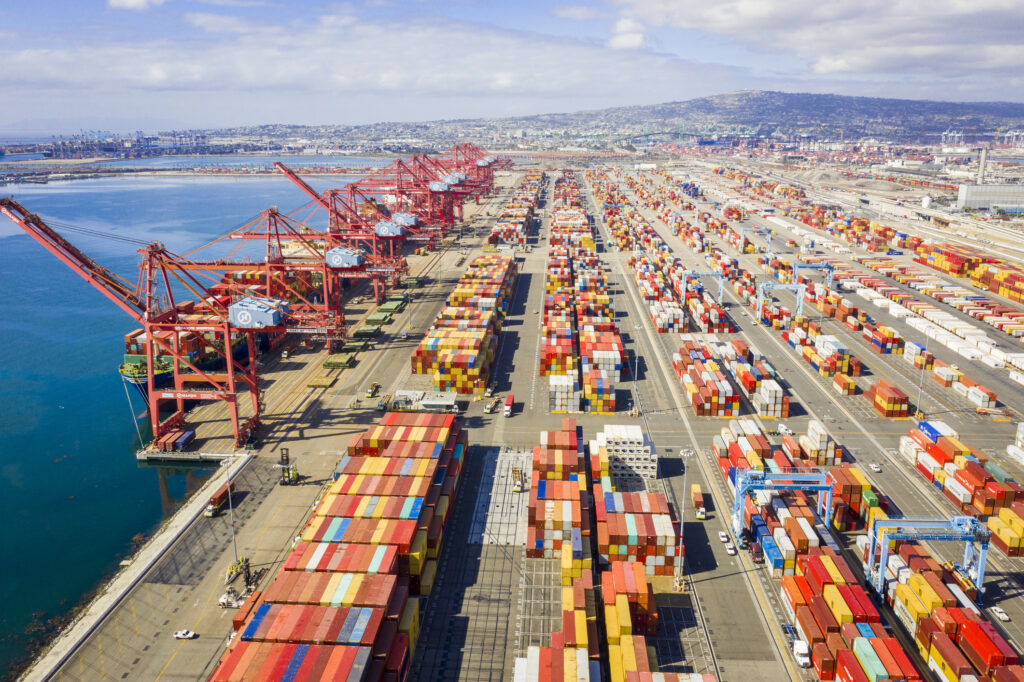
Cargo handling covers every stage of the logistics chain, from packaging and loading in Chinese factories to customs clearance, unloading, and delivery at Middle Eastern ports. It includes:
- Freight booking and scheduling.
- Cargo consolidation for LCL shipments.
- Container loading, securing, and labeling.
- Customs documentation and clearance.
- Final delivery to distribution centers or warehouses.
2. Why Choose Sea Freight for Cargo Handling?
Sea freight remains the most common option for bulk goods moving between China and Middle Eastern hubs such as Dubai, Jebel Ali, Doha, and Jeddah. It is cost-effective for large shipments and offers reliable schedules supported by major shipping lines.
3. What Are the Main Shipping Methods from China to the Middle East?
| Shipping Mode | Avg. Transit Time | Cost Efficiency | Best For | Pros | Cons |
|---|---|---|---|---|---|
| Sea Freight (FCL/LCL) | 20–30 days | Most affordable | Bulk cargo, heavy goods | Economical, high volume | Slow transit |
| Air Freight | 4–7 days | Expensive | Urgent or high-value goods | Fast, secure | High cost per kg |
| Rail + Sea Intermodal | 15–20 days | Moderate | Time-sensitive, medium loads | Faster than sea alone | Limited coverage |
| Courier/Express | 3–5 days | Very expensive | Small parcels, samples | Door-to-door, quick | Limited size/weight |
4. How Much Does Cargo Handling from China to the Middle East Cost?
Costs depend on weight, volume, and method:
- 20ft FCL container: $2,200–$3,500
- 40ft FCL container: $3,800–$5,500
- Air freight: $5.50–$9/kg
- Courier services: $25–$40 per parcel
Importers should also consider customs duties, VAT, handling charges, and last-mile delivery fees.
5.What Types of Cargo Are Commonly Shipped to the Middle East?
Frequent shipments include:
- Construction materials like steel, tiles, and wood.
- Electronics and consumer goods.
- Textiles and fashion apparel.
- Industrial machinery and spare parts.
- Automotive components.
6.Can a Freight Forwarder Simplify Cargo Handling to the Middle East?
Yes. A freight forwarder like China Top Freight ensures smooth coordination across shipping lines, airlines, customs, and delivery agents. They also negotiate competitive rates, handle paperwork, and provide end-to-end cargo visibility.
7.Conclusion
Managing cargo handling China to Middle East requires balancing cost, transit time, and compliance with customs documentation. While sea freight is the most economical for bulk shipments, air freight and multimodal solutions are valuable for urgent or mid-volume goods. Proper packaging, accurate labeling, and trusted freight forwarding services help avoid delays and losses. By partnering with China Top Freight, businesses gain access to reliable shipping schedules, professional documentation support, and tailored solutions for smooth Middle Eastern trade.
8. Request a Quote
China Top Freight offers:
- ✅ Origin and Destination Countries
- ✅ Cargo Type and Volume
- ✅ Preferred Transport Method (Air, Sea, Rail, Road)
- ✅ Delivery Timeline
- ✅ Special Handling Requirements (if any)
9. FAQ
Q1. What is the most economical option for cargo handling from China to the Middle East?
Sea freight FCL is the most cost-effective choice, particularly for bulk shipments of heavy goods such as construction materials or furniture.
Q2. Are there restricted goods when shipping to the Middle East?
Some goods like alcohol, pork products, and hazardous chemicals are restricted. Importers must check local regulations before arranging shipment.
Q3. How can delays be avoided during customs clearance?
Accurate invoices, correct HS codes, and proper certificates of origin ensure faster customs clearance and reduce the risk of delays.
Q4. What is the fastest way to ship urgent goods to the Middle East?
Air freight or express courier services are the quickest options, typically delivering cargo within 4–7 days depending on the route.
Q5. Do Middle Eastern countries apply Value Added Tax (VAT) on imports?
Most countries apply VAT on imported goods, typically ranging between 5%–15%, depending on local tax policies and item classification.