

- By kelly
- October 21, 2025
- Logistics Guide
Freight Forwarding China to Japan: Complete 2025 Guide
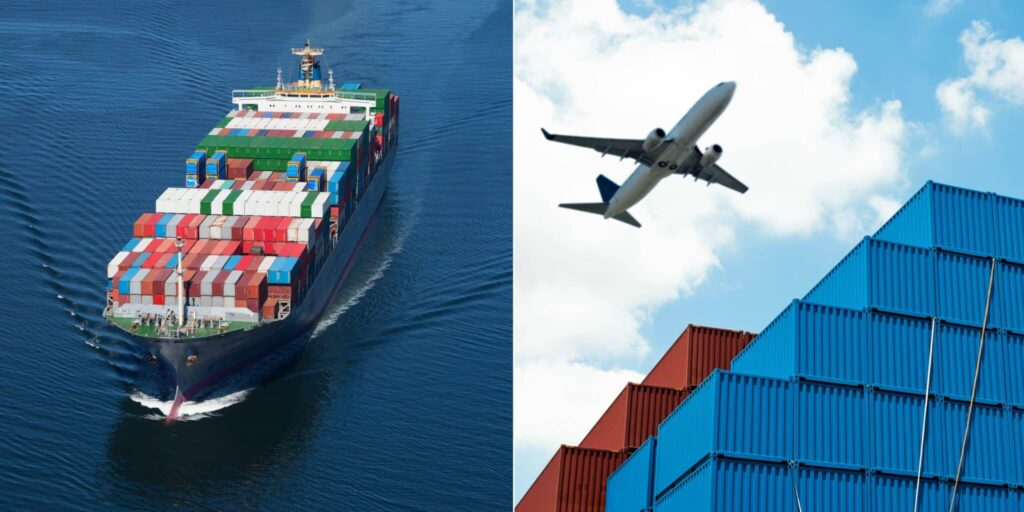
Global trade between China and Japan is one of the busiest in Asia, covering electronics, auto parts, textiles, and food products. Choosing reliable freight forwarding China to Japan services ensures lower costs, faster customs clearance, and stable delivery schedules. Many businesses face challenges like shipment delays, hidden charges, and complex import regulations; however, with the right forwarder, the process can be streamlined for efficiency and cost savings.
What is Freight Forwarding and Why is it Important for China–Japan Trade?
Freight forwarding refers to the coordination and management of shipments across borders. A forwarder handles booking, documentation, customs clearance, and delivery.
Key Benefits for China–Japan shipping:
- Time savings: Avoid delays with proper planning.
- Cost efficiency: Negotiated carrier rates reduce expenses.
- Customs expertise: Smooth import/export processes.
- Supply chain visibility: Real-time tracking enhances reliability.
Therefore, freight forwarding is essential for importers who want predictable and compliant shipping.
How Does Freight Forwarding from China to Japan Work?
The process typically follows these steps:
- Booking shipment with a freight forwarder.
- Cargo pickup from supplier in China.
- Export clearance at port or airport.
- International transportation via sea, air, or rail.
- Import clearance at Japanese customs.
- Final delivery to warehouse or consignee.
This end-to-end solution minimizes risk and ensures faster market access.
How Much Does Freight Forwarding China to Japan Cost?
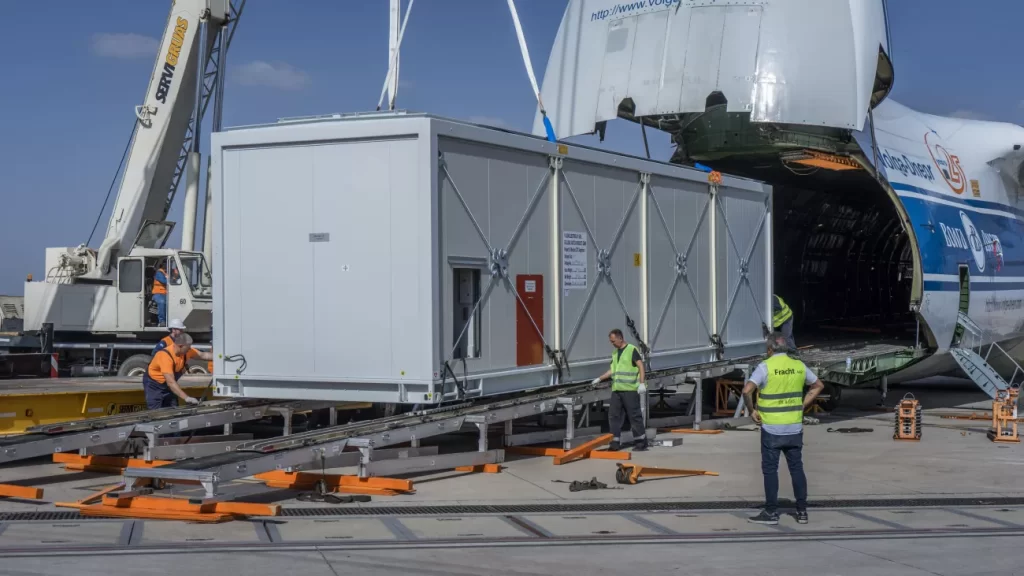
Costs vary by mode of transport, cargo volume, and delivery speed.
| Mode | Estimated Cost | Notes |
|---|---|---|
| LCL Sea Freight | $45 – $70 per CBM | Ideal for small shipments, shared container. |
| FCL Sea Freight | $900 – $1,500 (20ft) / $1,500 – $2,200 (40ft) | Best for bulk cargo. |
| Air Freight | $4 – $7 per kg | Fastest, ideal for high-value/urgent goods. |
| Express Courier | $6 – $10 per kg | Door-to-door, good for samples or small packages. |
| Rail Freight (limited) | $300 – $500 per CBM (China–Japan via Korea) | Less common, multimodal solutions available. |
How Long Does Freight Forwarding from China to Japan Take?
Transit times are shorter than most international routes due to close proximity.
| Origin Port/Airport (China) | Destination (Japan) | Transit Time | Remarks |
|---|---|---|---|
| Shanghai → Tokyo (Sea) | Tokyo/Yokohama Port | 4–6 days | Most frequent sailing. |
| Shenzhen → Osaka (Sea) | Osaka Port | 6–8 days | Competitive rates, steady schedules. |
| Qingdao → Kobe (Sea) | Kobe Port | 5–7 days | Common for auto parts. |
| Shanghai → Tokyo (Air) | Narita Airport | 1–3 days | Fastest and most reliable. |
| Shenzhen → Osaka (Air) | Kansai Airport | 1–2 days | Strong demand for electronics. |
What Documents Are Required for Freight Forwarding China to Japan?
Accurate documents prevent customs delays and penalties.
| Document | Purpose |
|---|---|
| Commercial Invoice | Declares product value and buyer/seller details. |
| Packing List | Lists cargo details (dimensions, weight, quantity). |
| Bill of Lading / Air Waybill | Proof of shipment contract. |
| Certificate of Origin | Confirms country of manufacture (needed for preferential tariffs). |
| Import/Export Licenses | For restricted goods such as chemicals or electronics. |
| Certificates (if applicable) | Health, phytosanitary, or safety compliance for food, plants, or tech. |
Which Industries Benefit Most from Freight Forwarding to Japan?
- Electronics: Smartphones, semiconductors, batteries.
- Automotive parts: Engines, tires, components.
- Textiles & apparel: Fashion, fabrics, accessories.
- Food products: Seafood, beverages, packaged goods.
- Machinery: Industrial equipment, tools, robotics.
Japan’s strong demand for Chinese imports makes reliable logistics essential for supply chain continuity.
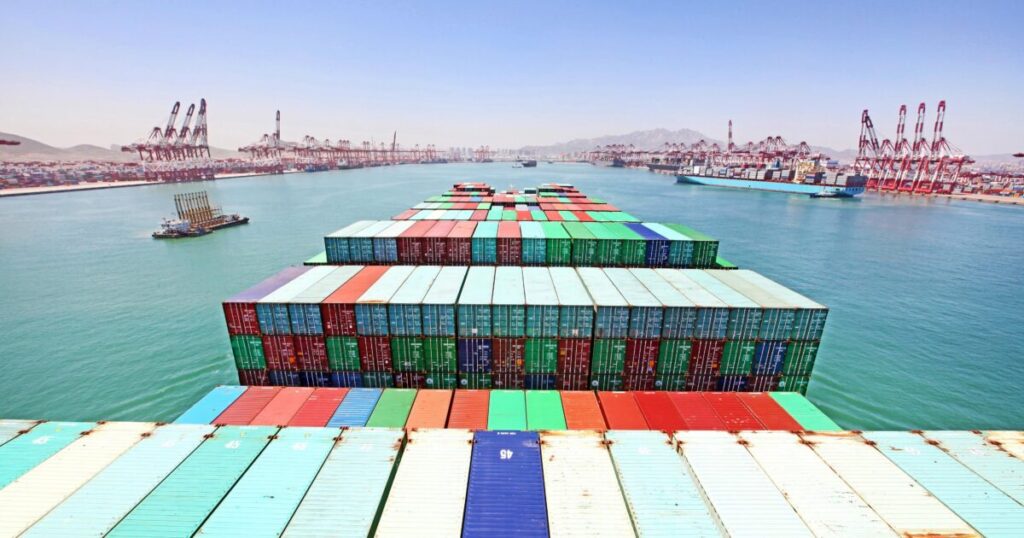
Freight Forwarding Options: Sea, Air, and Rail Compared
| Mode | Cost | Transit Time | Best For | Cons |
|---|---|---|---|---|
| Sea Freight | $45–$70/CBM (LCL), $900–$2,200 (FCL) | 4–8 days | Bulky, heavy cargo | Slower than air. |
| Air Freight | $4–$7/kg | 1–3 days | Urgent, high-value shipments | Expensive for large cargo. |
| Rail Freight | $300–$500/CBM | 10–14 days | Niche, multimodal use | Limited direct routes to Japan. |
Why Choose a Freight Forwarder for China–Japan Shipments?
- Expertise in customs clearance with Japanese authorities.
- Network with carriers for better shipping rates.
- Risk management through insurance and packaging solutions.
- Tracking and transparency for supply chain visibility.
Therefore, working with an experienced forwarder prevents costly mistakes.
How to Save Money on Freight Forwarding from China to Japan?
- Consolidate cargo to reduce per-unit costs.
- Book early to avoid seasonal surcharges.
- Use FCL if volume >15 CBM for better value.
- Leverage trade agreements for reduced tariffs.
- Select right incoterms (FOB vs CIF) to balance risk and cost.
Common Challenges in China–Japan Freight Forwarding
- Customs compliance issues delaying clearance.
- Seasonal congestion (Chinese New Year, Golden Week).
- Higher costs during peak trade seasons.
- Limited air cargo capacity for urgent goods.
Planning and forwarder support help mitigate these challenges.
📦Get a Free Quote
Partnering with a reliable logistics provider ensures your freight forwarding China to Japan is cost-effective, compliant, and delivered on time. Professional forwarders manage every step from booking to delivery, reducing risks and helping businesses stay competitive in global markets.
❓ Frequently Asked Questions
1. How much does freight forwarding from China to Japan cost?
Costs range from $45–$70 per CBM (LCL sea) to $4–$7 per kg (air freight), depending on cargo type and urgency.
2. How long does it take to ship goods from China to Japan?
Sea freight takes 4–8 days, while air freight can deliver in 1–3 days depending on customs clearance speed.
3. What documents are required for customs clearance in Japan?
You need a commercial invoice, packing list, bill of lading/air waybill, certificate of origin, and special licenses if required.
4. Which ports in Japan handle most Chinese imports?
Major entry points include Tokyo, Yokohama, Osaka, Kobe, and Nagoya, with Narita and Kansai airports for air cargo.
5. Is air freight better than sea freight for China–Japan trade?
Air freight is faster and safer for urgent or fragile goods, while sea freight is more cost-efficient for bulk cargo.
Conclusion
The freight forwarding China to Japan route is vital for businesses engaged in cross-border trade between two of Asia’s largest economies. With short transit times, strong demand, and advanced logistics networks, importers can choose sea, air, or multimodal freight depending on cargo needs. By working with an experienced freight forwarder, businesses can cut costs, avoid customs delays, and ensure on-time deliveries.