

- By kelly
- October 21, 2025
- Logistics Guide
Bags Freight from China: Complete 2025 Guide
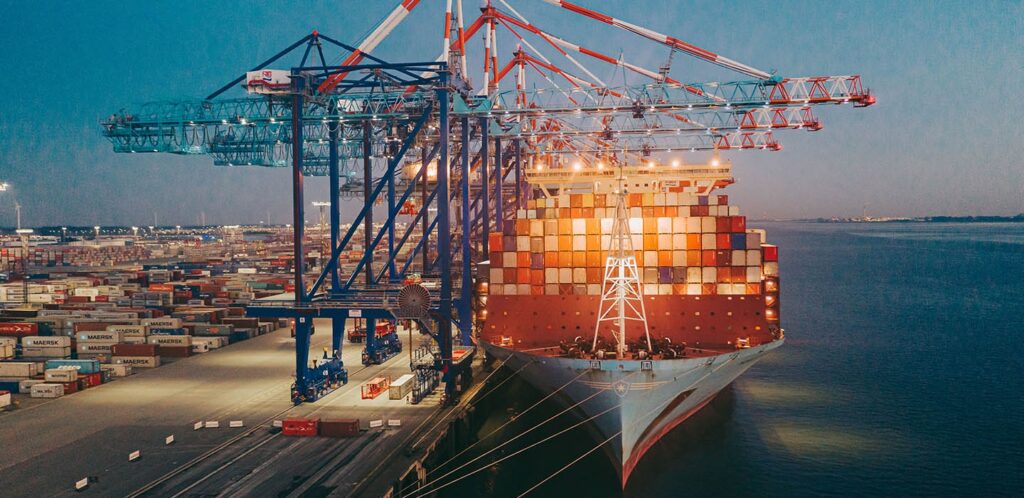
The global fashion and retail industry depends heavily on bags freight from China. From luxury handbags to backpacks and travel luggage, China is a leading exporter. However, importers often face challenges like high shipping costs, customs regulations, and unpredictable transit times. With the right logistics strategy, though, freight forwarding ensures timely delivery, cost efficiency, and compliance with international trade rules.
Why is Bags Freight from China in High Demand?
China’s factories in Guangzhou, Shenzhen, Yiwu, and Quanzhou manufacture everything from designer-style handbags to school bags and luggage.
Key reasons importers choose China:
- Competitive production costs.
- Wide range of materials (leather, canvas, PU, nylon).
- Scalable manufacturing for small or bulk orders.
- Proximity to ports and international airports.
Therefore, efficient freight forwarding solutions are crucial for global distributors.
How Does Bags Freight from China Work?
The process involves multiple stages to ensure safe and timely delivery:
- Pickup from supplier at the factory.
- Export clearance at Chinese ports or airports.
- International transport via sea, air, rail, or courier.
- Import customs clearance at destination.
- Final delivery to warehouse, retailer, or Amazon FBA center.
Each step is carefully coordinated by freight forwarders to minimize delays.
How Much Does Bags Freight from China Cost?
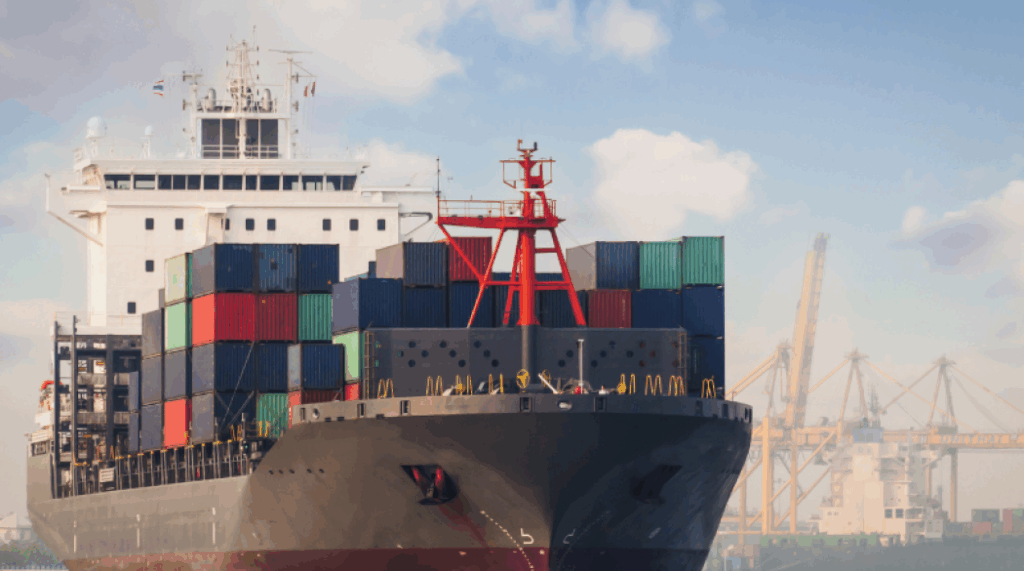
Shipping rates depend on mode of transport, cargo size, and seasonality.
| Mode | Estimated Cost | Notes |
|---|---|---|
| LCL Sea Freight | $45 – $70 per CBM | Best for small-volume shipments. |
| FCL Sea Freight | $1,200 – $1,800 (20ft) / $2,000 – $2,800 (40ft) | Cost-effective for bulk orders. |
| Air Freight | $5 – $9 per kg | Ideal for urgent orders and high-value designer bags. |
| Express Courier | $6 – $12 per kg | Door-to-door, recommended for samples or small batches. |
| Rail Freight (to EU) | $300 – $500 per CBM | Alternative for shipments to Europe, faster than sea freight. |
How Long Does Bags Freight from China Take?
Transit times vary by method and destination.
| Route | Transit Time | Remarks |
|---|---|---|
| Sea Freight (China → USA) | 25–35 days | Most cost-effective for bulk bags. |
| Sea Freight (China → Europe) | 30–40 days | Slower but economical for large shipments. |
| Air Freight (China → USA/EU) | 3–7 days | Best for urgent shipments. |
| Courier (DHL/UPS/FedEx) | 2–6 days | Reliable, but costly for large volumes. |
| Rail Freight (China → EU) | 18–25 days | Balance between speed and cost. |
What Documents are Required for Bags Freight from China?
Documentation ensures smooth customs clearance at both ends.
| Document | Purpose |
|---|---|
| Commercial Invoice | Declares product value, HS code, buyer/seller details. |
| Packing List | Provides cargo details: dimensions, weight, quantity. |
| Bill of Lading / Air Waybill | Proof of carriage contract with carrier. |
| Certificate of Origin | Needed for preferential tariffs (China–destination trade agreements). |
| Import Licenses | Required for branded bags or restricted materials (e.g., leather). |
| Compliance Certificates | For safety, labeling, or intellectual property clearance. |
Which Shipping Method is Best for Bags?
| Method | Best For | Advantages | Disadvantages |
|---|---|---|---|
| LCL Sea Freight | Small-medium volumes, low urgency | Affordable, flexible | Longer transit, higher risk of damage. |
| FCL Sea Freight | Large bulk orders | Best unit cost, secure | Requires full container load. |
| Air Freight | High-value designer bags, urgent restocking | Fast, safe, predictable | Expensive for bulky shipments. |
| Express Courier | Samples, small batches, e-commerce parcels | Door-to-door, very fast | Costliest per kg. |
| Rail Freight | Mid-size orders to EU | Faster than sea, lower than air | Limited to Eurasian routes. |
What Factors Affect Bags Freight Costs?
- Weight and volume: Higher chargeable weight = higher cost.
- Transport mode: Air is pricier than sea.
- Seasonal surcharges: Q4 and Chinese New Year increase rates.
- Port fees: Origin and destination handling charges.
- Customs duties: Vary by bag type and material.
How to Save Money on Bags Freight from China?
- Book early to lock in lower rates.
- Consolidate shipments for cost efficiency.
- Use FCL when cargo exceeds 15–18 CBM.
- Leverage free trade agreements for reduced tariffs.
- Choose multimodal solutions for flexibility.
Why Work with a Freight Forwarder for Bags Freight?
- Customs expertise: Prevents clearance delays.
- Carrier network: Access to contract rates.
- Insurance options: Protects luxury or branded cargo.
- Tracking services: Improves supply chain visibility.
- Warehousing support: Especially important for e-commerce and Amazon FBA sellers.
Common Challenges in Bags Freight from China
- Counterfeit goods scrutiny: Customs closely inspects branded bags.
- Delays during peak season: Ports and airports may face congestion.
- Hidden charges: Destination fees can surprise unprepared importers.
- Packaging issues: Poor packing may damage bags during transit.
However, with proper documentation and professional freight forwarding support, these risks can be minimized.
📦Get a Free Quote
If you are sourcing handbags, backpacks, or luggage, a reliable logistics partner can help streamline the entire process. With bags freight from China, professional forwarders ensure competitive pricing, safe handling, and smooth customs clearance to keep your supply chain running efficiently.
❓ Frequently Asked Questions
1. How much does bags freight from China cost?
Costs range from $45–$70 per CBM (LCL sea) to $5–$9 per kg (air freight), depending on volume and urgency.
2. How long does it take to ship bags from China?
Sea freight takes 25–40 days, air freight takes 3–7 days, and courier services can deliver in 2–6 days.
3. Do I need an import license to ship bags?
For general bags, no license is needed. However, branded or leather bags may require permits or compliance certificates.
4. Which ports in China are best for bag exports?
Top export hubs include Shenzhen, Guangzhou, Shanghai, Ningbo, and Xiamen, close to major manufacturing clusters.
5. Can I ship small batches of bags by courier?
Yes, express couriers like DHL, UPS, and FedEx are ideal for samples, small orders, and e-commerce shipments.
Conclusion
The global demand for bags freight from China continues to rise, driven by strong manufacturing capabilities and cost-effective production. Importers can choose from sea, air, rail, or courier shipping depending on urgency, volume, and budget. By preparing documents carefully, consolidating shipments, and working with experienced freight forwarders, businesses can reduce costs, avoid customs delays, and ensure timely delivery. In 2025, efficient bag logistics remain a cornerstone of international trade success.