

- By carlie tj
- October 21, 2025
- Logistics Guide
When importing goods, cargo handling China to Netherlands plays a crucial role in ensuring smooth delivery, reduced costs, and timely clearance. Choosing a reliable partner like China Top Freight helps businesses navigate customs regulations, optimize supply chains, and guarantee professional logistics support from start to finish.
1. What Does Cargo Handling from China to the Netherlands Involve?
Cargo handling refers to the complete logistics process of moving goods, including packing, loading, transporting, customs clearance, and final delivery. For shipments between China and the Netherlands, it requires coordination among carriers, freight forwarders, customs authorities, and final-mile delivery providers.
2. Why Is Efficient Cargo Handling Important for Businesses?
Efficient cargo handling reduces delays, lowers shipping costs, prevents damage, and ensures compliance with EU import laws. Moreover, it strengthens supply chain reliability, which is vital for international businesses trading between Asia and Europe.
3. What Documents Are Needed for Cargo Handling from China to the Netherlands?
Handling cargo smoothly requires accurate paperwork. Missing or incorrect documents often lead to customs delays.
| Document | Purpose | Who Requires It |
|---|---|---|
| Bill of Lading / Air Waybill | Proof of shipping contract | Carrier & Customs |
| Commercial Invoice | Declares value & trade details | Customs Authority |
| Packing List | Describes cargo content & weight | Customs & Shipper |
| Certificate of Origin | Verifies product origin | Customs |
| CE Certificate | EU compliance proof | Customs / Buyers |
| Import License (if applicable) | For restricted items | Dutch Authorities |
4. How Much Does Cargo Handling Cost from China to the Netherlands?
Costs vary depending on shipping mode, cargo type, and service level.
- Air Freight: $4–$8 per kg.
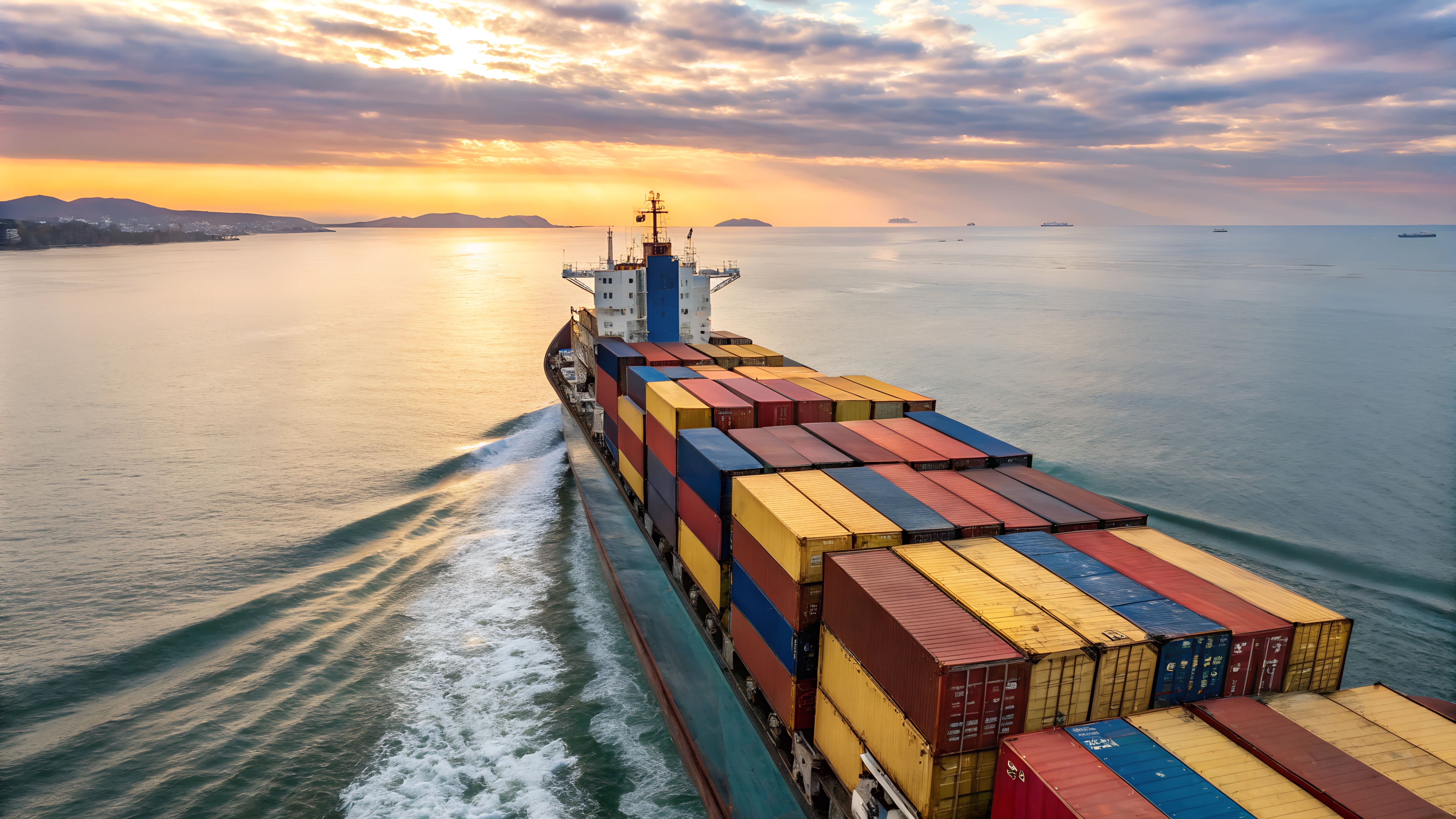
- Sea Freight (FCL): $2,000–$3,500 per 40ft container.
- Sea Freight (LCL): $40–$60 per cubic meter.
- Rail Freight: $2,500–$4,000 per container.
5. Which Shipping Methods Are Best for Cargo Handling China to Netherlands?
Businesses often choose between air, sea, rail, and express shipping. Each has unique benefits.
| Method | Transit Time | Cost | Best For | Pros | Cons |
|---|---|---|---|---|---|
| Air Freight | 5–7 days | High | Urgent goods | Fast, reliable | Expensive |
| Sea Freight (FCL/LCL) | 30–40 days | Low | Large cargo | Cost-efficient | Slow transit |
| Rail Freight | 18–22 days | Medium | Medium cargo | Balance speed & cost | Limited routes |
| Express Courier | 3–5 days | Very High | Small parcels | Fastest delivery | High cost |
6. What Are the Key Challenges in Cargo Handling from China to the Netherlands?
- Port congestion in Rotterdam or Amsterdam.
- Compliance with EU product regulations.
- High customs duty or VAT costs.
- Delays from incomplete paperwork.
- Rising freight rates during peak seasons.
7.Conclusion
Effective cargo handling China to Netherlands requires attention to documentation, customs clearance, and the choice of the right transport mode. By preparing early, understanding costs, and partnering with an experienced freight forwarder, businesses can reduce risks, save money, and ensure timely delivery. Working with experts like China Top Freight guarantees smooth logistics, better compliance, and long-term success in international trade.
8. Request a Quote
China Top Freight offers:
- ✅ Origin and Destination Countries
- ✅ Cargo Type and Volume
- ✅ Preferred Transport Method (Air, Sea, Rail, Road)
- ✅ Delivery Timeline
- ✅ Special Handling Requirements (if any)
9. FAQ
1. What is the role of cargo handling in international trade?
Cargo handling ensures goods are properly loaded, transported, cleared, and delivered, minimizing risks and improving global supply chain efficiency.
2. Which cargo handling method is most cost-effective from China to the Netherlands?
Sea freight is the most economical for bulk shipments, offering low costs and flexible options such as FCL or LCL shipments.
3. How can businesses reduce customs delays during cargo handling?
They can reduce delays by submitting accurate paperwork, pre-classifying HS codes, and hiring freight forwarders with customs brokerage expertise.
4. Are there special regulations for electronics cargo handling to the Netherlands?
Electronics often require CE certification and safety testing before entry into the EU market, ensuring compliance with Dutch and EU laws.
5. What makes rail freight a good option for shipping cargo to the Netherlands?
Rail freight balances cost and speed, providing a sustainable alternative to sea freight while being faster for mid-sized shipments.