FCL Shipping China to Japan: Costs, Transit & Customs Guide
For businesses trading across Asia, FCL shipping China to Japan is one of the most efficient logistics solutions. Full Container Load (FCL) ensures faster handling, better security, and lower per-unit shipping costs compared to LCL (Less than Container Load). However, importers often struggle with customs regulations, freight rates, and delivery schedules. This guide covers all aspects of FCL shipping, from costs and transit times to documentation and customs clearance.
What Is FCL Shipping China to Japan?
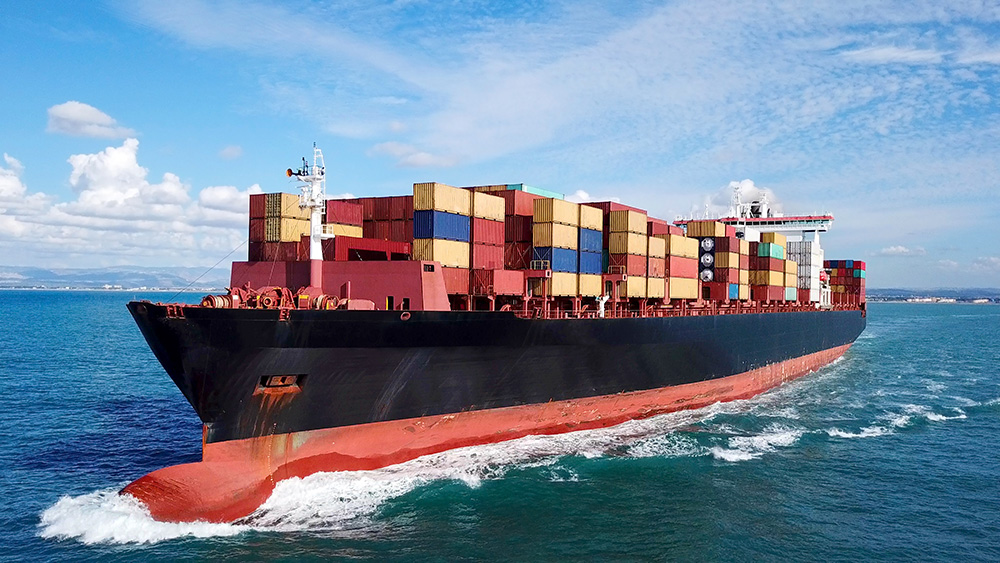
FCL (Full Container Load) means you book an entire container—20ft or 40ft—for your goods. Unlike LCL shipments, you don’t share space with other importers, which reduces handling risks and simplifies customs clearance.
Why Choose FCL Over LCL for China–Japan Trade?
Factor
FCL
LCL
Cost Efficiency
Lower per-unit cost for bulk
Higher cost per CBM
Transit Time
Faster, fewer delays
Slower due to consolidation
Security
High—single shipper’s goods
Moderate—shared container
Customs
Easier, one declaration
Complex, multiple declarations
Best Use
Large or high-value cargo
Small shipments
FCL is preferred for businesses importing electronics, auto parts, textiles, furniture, or raw materials in bulk.
How Much Does FCL Shipping from China to Japan Cost?
Freight costs depend on container size, port of origin, and season.
Route
20ft FCL
40ft FCL
Transit Time
Shanghai → Tokyo
$600 – $900
$1,000 – $1,400
4–6 days
Shenzhen → Osaka
$650 – $950
$1,050 – $1,500
5–7 days
Qingdao → Yokohama
$580 – $850
$980 – $1,350
4–6 days
Ningbo → Kobe
$620 – $880
$1,020 – $1,420
5–8 days
How Long Does FCL Shipping from China to Japan Take?
Transit times are relatively short compared to long-haul ocean freight:
Origin Port
Destination Port
Average Transit Time
Shanghai
Tokyo
4–6 days
Guangzhou
Osaka
5–7 days
Ningbo
Yokohama
5–6 days
Tianjin
Nagoya
6–8 days
Including customs clearance and inland delivery, total door-to-door time averages 10–14 days.
What Documents Are Required for FCL Shipping to Japan?
Accurate documentation ensures smooth customs clearance.
Document
Purpose
Commercial Invoice
Declares value, seller, buyer
Packing List
Detailed cargo breakdown
Bill of Lading (B/L)
Contract of carriage
Certificate of Origin
Confirms origin country
Import Declaration
Required by Japan Customs
HS Code Classification
Determines duties
Insurance Certificate
Covers loss/damage
What Are the Customs Duties for FCL Shipping into Japan?
Japan’s tariff structure is relatively straightforward:
General cargo: 0%–5% duties
Textiles and clothing: 8%–12%
Electronics: Mostly duty-free
Furniture: 3%–6%
Automotive parts: 0%–4%
In addition, Japan levies a 10% consumption tax (VAT equivalent) on most imports.
What Are the Benefits of FCL Shipping China to Japan?
Cost-effective for bulk importers
Reduced transit time since no consolidation is needed
Enhanced cargo security
Simplified customs process with single declaration
Flexibility in loading and sealing at origin
Are There Risks in FCL Shipping?
Although FCL is safer than LCL, risks remain:
Seasonal delays (Golden Week, Chinese New Year, Obon holidays)
Port congestion at major Japanese hubs
Incorrect HS codes causing customs rejections
Demurrage charges if containers aren’t collected promptly
How Does FCL Compare with Air Freight for China–Japan Trade?
Which Industries Benefit Most from FCL Shipping China to Japan?
Retail chains importing consumer goods
Automotive sector for spare parts
Electronics manufacturers
Furniture suppliers
Textile and apparel brands
How to Optimize FCL Shipping Costs?
Book in advance to avoid peak season surcharges.
Choose nearby ports like Shanghai–Tokyo for shorter routes.
Work with freight forwarders to negotiate better carrier rates.
Use proper packing to avoid damage-related claims.
Checklist Before Shipping FCL from China to Japan
Confirm HS codes and duties.
Prepare accurate invoices and packing lists.
Book container space at least 2 weeks ahead.
Buy cargo insurance.
Ensure consignee readiness in Japan to avoid demurrage.
📦Get a Free Quote
We provide secure, cost-efficient, and reliable FCL shipping from China to Japan. From customs clearance to delivery schedules, our freight forwarding team ensures your cargo arrives on time and at competitive rates. Contact us today for a customized shipping solution.
Q1: How long does FCL shipping from China to Japan take?
Typically 4–8 days port-to-port, plus customs clearance and inland transport.
Q2: What is the difference between FCL and LCL?
FCL uses an entire container for one shipper, while LCL combines multiple shipments.
Q3: Do I need insurance for FCL shipping?
Yes, insurance protects against loss, damage, or delays in transit.
Q4: Are customs duties high for imports into Japan?
Most goods have low tariffs, with electronics often duty-free. VAT of 10% applies.
Q5: Can small businesses use FCL shipping?
Yes, if you have enough cargo to fill at least 15–18 CBM, FCL is cost-effective.
Conclusion
FCL shipping China to Japan is one of the most reliable and cost-effective logistics options for bulk trade. With short transit times, strong port infrastructure, and relatively low customs duties, it supports a seamless supply chain for industries ranging from electronics to furniture. By working with experienced freight forwarders, importers can minimize delays, reduce costs, and ensure secure cargo delivery.