

- By kelly
- October 22, 2025
- Logistics Guide
Freight Forwarding China to UK: Complete Guide to Costs, Transit & Customs
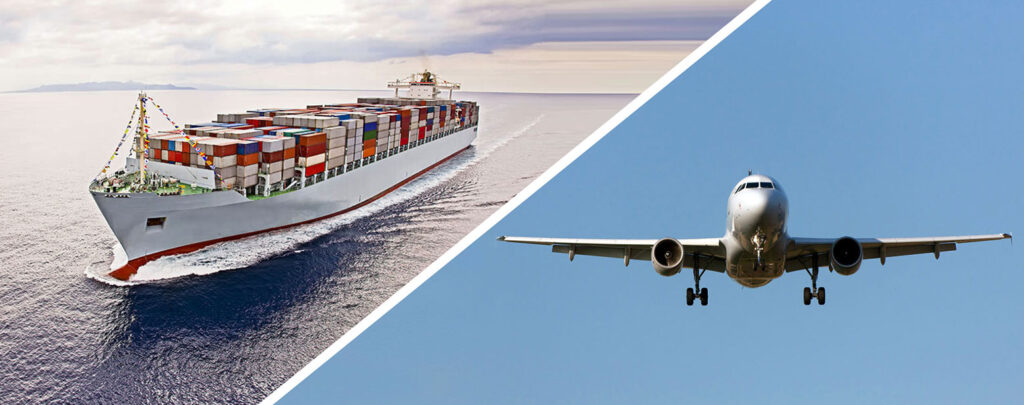
Freight forwarding from China to the UK is one of the most in-demand shipping lanes for global trade. However, many importers struggle with high shipping costs, customs clearance, and unpredictable transit times. This guide breaks down everything you need to know—shipping methods, pricing, transit schedules, and essential documentation—to simplify your logistics process.
1. What Is Freight Forwarding from China to the UK?
Freight forwarding is the process of arranging and managing international cargo shipments from origin to destination. When shipping goods from China to the UK, freight forwarders coordinate with carriers, manage customs clearance, and ensure timely delivery to your warehouse or distribution center.
Unlike carriers, freight forwarders do not move goods directly. Instead, they provide end-to-end logistics solutions—combining sea freight, air freight, rail freight, or courier services to meet client requirements.
2. How Long Does Freight Forwarding from China to the UK Take?
Transit time varies depending on the chosen method:
| Shipping Method | Average Transit Time | Best For |
|---|---|---|
| Air Freight | 5–9 days | Urgent, high-value shipments |
| Sea Freight (FCL) | 28–40 days | Bulk cargo, cost efficiency |
| Sea Freight (LCL) | 32–45 days | Smaller loads, shared containers |
| Rail Freight | 18–25 days | Balance between cost and speed |
| Express Courier | 3–6 days | Small parcels, e-commerce |
Therefore, choosing the right method depends on balancing urgency, budget, and cargo type.
3. How Much Does Freight Forwarding from China to the UK Cost?
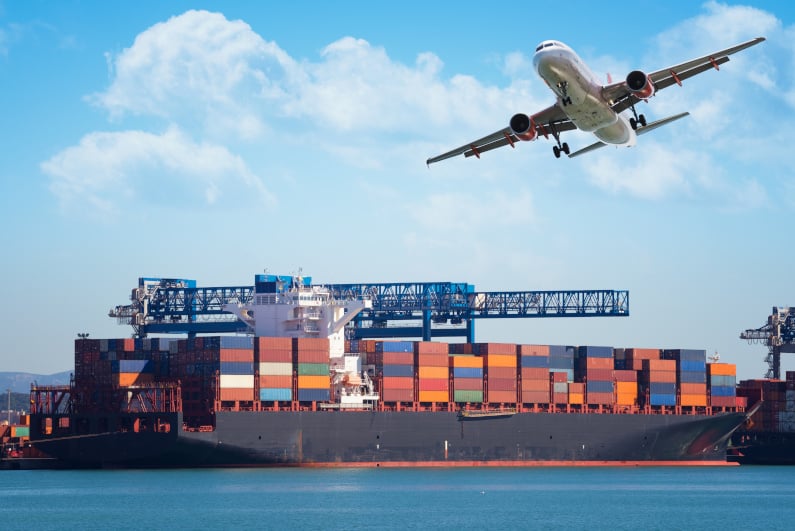
Shipping costs fluctuate based on market demand, carrier capacity, and seasonality.
| Shipping Method | Typical Cost (per CBM/KG) | Pros | Cons |
|---|---|---|---|
| Air Freight | $5–$9/kg | Fast, reliable | Expensive |
| Sea Freight (FCL 20ft) | $2,000–$3,500 | Cost-effective for bulk | Slower |
| Sea Freight (LCL) | $120–$180/CBM | Flexible for smaller loads | Handling delays |
| Rail Freight | $5,000–$7,000/40ft | Faster than sea, eco-friendly | Limited routes |
| Express Courier | $8–$12/kg | Door-to-door, quick | High cost per kg |
Moreover, costs also depend on fuel surcharges, customs duties, and inland trucking fees in the UK.
4. Which Shipping Method Should You Choose for Freight Forwarding China to UK?
Each method has distinct advantages:
- Air Freight: Best for electronics, fashion, and urgent shipments.
- Sea Freight (FCL): Ideal for large volume importers—offers economies of scale.
- Sea Freight (LCL): Flexible for SMEs consolidating shipments.
- Rail Freight: Balances time and cost—popular for Northern UK.
- Courier: Preferred for e-commerce and Amazon FBA sellers.
5. What Customs Documents Are Required for Importing from China to the UK?
Proper documentation ensures smooth customs clearance.
| Document | Purpose |
|---|---|
| Commercial Invoice | Declares product value and trade details |
| Packing List | Specifies cargo details for customs |
| Bill of Lading / Air Waybill | Proof of shipment |
| Import License (if applicable) | Required for restricted goods |
| Certificate of Origin | Confirms country of manufacture |
| UK EORI Number | Required for all importers |
Additionally, UK importers must comply with post-Brexit regulations and VAT requirements.
6. What Are the Pros and Cons of Air, Sea, and Rail Freight?
| Method | Pros | Cons |
|---|---|---|
| Air Freight | Fast delivery, reliable schedules | Very costly, weight restrictions |
| Sea Freight | Cheapest per unit, suitable for bulk | Long transit, port delays |
| Rail Freight | Faster than sea, lower CO₂ | Limited coverage, higher than sea costs |
Therefore, your decision should be based on urgency, cargo volume, and overall budget.
7. How Do Incoterms Affect Freight Forwarding from China to the UK?
Incoterms define buyer and seller responsibilities. Common terms include:
- FOB (Free on Board): Seller handles export, buyer manages freight.
- CIF (Cost, Insurance & Freight): Seller pays for freight and insurance.
- DAP (Delivered at Place): Seller delivers cargo to buyer’s door.
Selecting the right Incoterm ensures clarity on liability and cost-sharing.
8. What Are the Main UK Ports and Airports for China Imports?
- Sea Ports: Felixstowe, Southampton, London Gateway, Liverpool.
- Airports: Heathrow, Gatwick, Manchester, Birmingham.
- Rail Terminals: London, Birmingham, and northern freight hubs.
Moreover, choosing the right entry point can reduce inland trucking costs and delivery delays.
9. How to Reduce Freight Forwarding Costs from China to the UK?
- Book in advance to avoid peak season surcharges.
- Use FCL instead of LCL when volume justifies it.
- Consolidate shipments with a reliable freight forwarder.
- Negotiate with multiple carriers for better rates.
- Optimize packaging to reduce dimensional weight.
10. Should You Use a Freight Forwarder or Handle Logistics Yourself?
While direct carrier booking is possible, most businesses prefer freight forwarders due to:
- Expertise: Handling customs, Incoterms, and compliance.
- Flexibility: Offering multimodal shipping options.
- Cost Savings: Leveraging volume discounts with carriers.
- End-to-End Service: From pickup in China to delivery in the UK.
11. Logistics Trends Impacting Freight Forwarding China to UK
- Digital Freight Platforms: Increasing transparency in rates and tracking.
- Green Shipping: Rail and eco-friendly vessels gaining traction.
- E-commerce Growth: Driving demand for courier and express shipping.
- Post-Brexit Trade Rules: Stricter customs compliance and VAT changes.
📦Get a Free Quote
Choosing the right partner for freight forwarding China to UK can save your business time, money, and stress. A reliable logistics provider ensures smooth customs clearance, optimized routes, and competitive rates tailored to your shipment type.
❓ Frequently Asked Questions
1. What is the cheapest way to ship goods from China to the UK?
Sea freight (FCL) is usually the most cost-effective for bulk shipments, while LCL works best for smaller loads.
2. How do customs duties work when importing from China to the UK?
Duties depend on product classification, HS codes, and declared value. Import VAT also applies under UK customs rules.
3. Can I ship directly to Amazon FBA UK from China?
Yes, freight forwarders can arrange door-to-door delivery, including Amazon FBA labeling, customs clearance, and warehouse delivery.
4. Do I need an EORI number to import into the UK?
Yes, all importers must register for an Economic Operators Registration and Identification (EORI) number for customs clearance.
5. How can I track my shipment from China to the UK?
Freight forwarders provide real-time tracking via online portals or carrier systems, covering sea, air, rail, and courier shipments.
Conclusion
Freight forwarding from China to the UK requires careful planning, from selecting the right shipping method to preparing accurate customs documentation. Sea freight is best for cost efficiency, while air and rail freight offer speed and reliability. Working with a trusted freight forwarder simplifies compliance, reduces risks, and ensures smooth delivery of goods.
If you’re looking for cost-effective and reliable freight forwarding China to UK, the right partner can help optimize your supply chain while keeping your business competitive.