

- By carlie tj
- October 22, 2025
- Logistics Guide
Handling export documentation China to Belgium is one of the most critical steps in ensuring smooth cross-border trade. Without accurate paperwork, your goods can face customs delays, penalties, or even rejection at ports. China Top Freight provides expert logistics and customs support, making sure your shipments comply with all EU and Belgian regulations while minimizing costs and transit time.
1. Why Is Export Documentation Important for China–Belgium Trade?
Export documentation is the backbone of international logistics. It ensures:
- Compliance with Chinese export controls and EU import regulations.
- Accurate tariff calculation and VAT assessment.
- Smooth customs clearance at Belgian ports like Antwerp, Zeebrugge, and Ghent.
- Reduced risks of delays, fines, or cargo being held at customs.
Therefore, businesses must prepare and review each document carefully before goods leave China.
2. What Are the Key Export Documents from China to Belgium?
Exporting goods requires multiple forms. The essential documents include:
- Commercial Invoice – lists product description, HS codes, and declared value.
- Packing List – shows weight, dimensions, and packaging details.
- Bill of Lading (B/L) or Air Waybill (AWB) – proof of contract with the carrier.
- Certificate of Origin (CO) – required for preferential tariffs under trade agreements.
- Export License – needed for restricted items like chemicals or medical equipment.
- Insurance Certificate – covers financial risk in transit.
- Customs Declaration (CN Export) – submitted to Chinese authorities.
3. How Do Shipping Methods Affect Export Documentation?
Different transport modes may require variations in documentation:
| Shipping Method | Transit Time | Cost Level | Required Documents | Pros | Cons |
|---|---|---|---|---|---|
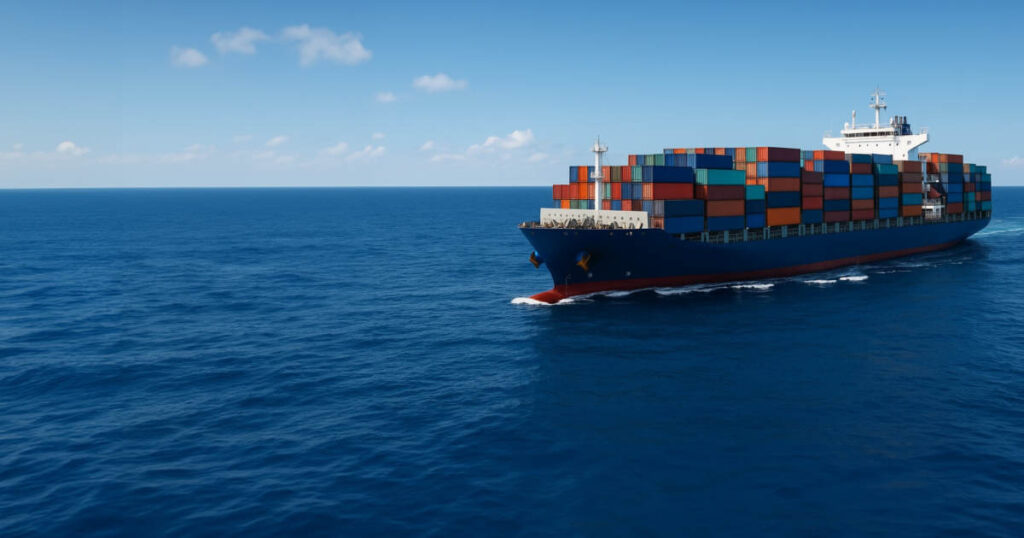
| Sea Freight | 30–40 days | $$ | B/L, Invoice, CO, Packing List, Insurance | Cheapest for bulk, scalable | Long lead times |
| Air Freight | 5–10 days | $$$$ | AWB, Invoice, CO, DG Certificate (if applicable) | Fast, secure | Very costly |
| Rail Freight | 15–22 days | $$$ | Rail Waybill, Invoice, Packing List | Mid-speed, eco-friendly | Only to Europe |
4. What Is the Typical Transit Time from China to Belgium?
Transit times vary based on shipping method and route:
| Route | Sea Freight | Rail Freight | Air Freight |
|---|---|---|---|
| China → Antwerp | 32–38 days | 18–22 days | 6–8 days |
| China → Zeebrugge | 30–35 days | 17–20 days | 6–9 days |
| China → Brussels (air cargo) | – | – | 5–7 days |
5. What Customs Rules Apply to Belgium Imports?
Belgium, as part of the EU, follows strict import compliance:
- EORI Number – required for all EU importers.
- HS Codes – must be accurate for correct tariff classification.
- CE Marking – mandatory for electronics, toys, and medical devices.
- Phytosanitary Certificates – needed for agricultural goods.
- Excise Duties – apply to alcohol, tobacco, and energy products.
Failure to comply can lead to shipment seizure or additional fines.
6. What Special Rules Apply to Different Cargo Types?
- Chemicals & cosmetics: require MSDS (Material Safety Data Sheet) and EU chemical registration under REACH.
- Food & beverages: must provide health certificates and follow EU sanitary standards.
- Machinery & electronics: need CE compliance testing.
- Furniture & wood products: require ISPM 15 certification for treated wood packaging.
7.Conclusion
Managing export documentation China to Belgium requires accuracy, compliance, and planning. From commercial invoices to customs licenses, each paper impacts the success of your shipment. While sea freight remains the most economical option, air and rail provide flexibility depending on urgency. By working with China Top Freight, exporters can avoid costly errors, meet EU standards, and ensure their goods reach Belgium smoothly and on schedule.
8. Request a Quote
China Top Freight offers:
- ✅ Origin and Destination Countries
- ✅ Cargo Type and Volume
- ✅ Preferred Transport Method (Air, Sea, Rail, Road)
- ✅ Delivery Timeline
- ✅ Special Handling Requirements (if any)
9. FAQ
1. Do I need a Certificate of Origin for exports to Belgium?
A Certificate of Origin is often required to determine tariffs and qualify for preferential trade agreements between China and the EU.
2. Can I ship cosmetics from China to Belgium without MSDS?
No, cosmetics classified as chemicals require an MSDS and compliance with EU REACH standards to pass Belgian customs clearance.
3. What Incoterms work best for exports to Belgium?
DAP and DDP are recommended since they simplify the process by allowing the freight forwarder to handle customs clearance and import duties.
4. Are fumigation certificates needed for wooden packaging?
Yes, Belgium follows EU ISPM 15 rules, requiring treated and certified wood packaging for all imports to avoid quarantine delays.
5. How can exporters reduce Belgian customs clearance times?
Accurate HS codes, pre-submitted digital declarations, and using customs brokers familiar with Belgian regulations can significantly reduce clearance times.