

- By ayla tj
- October 22, 2025
- Logistics Guide
When businesses consider moving goods across Asia, LCL shipping China to Japan often stands out as the most cost-effective solution. For importers who do not fill an entire container, this method balances affordability, speed, and flexibility. However, challenges such as customs documentation, delivery schedules, and hidden logistics costs can complicate the process. This guide provides a detailed breakdown of everything you need to know about LCL freight between these two major trading partners.

1. What Is LCL Shipping and Why Choose It for China–Japan Trade?
Less-than-Container Load (LCL) means multiple shippers share space in a container. It is ideal for small and medium shipments. Compared to FCL, businesses only pay for the space they use, which significantly reduces shipping costs.
Moreover, LCL shipping from China to Japan is popular for e-commerce retailers, electronics suppliers, and fashion brands who need frequent but smaller-volume deliveries. It helps reduce warehousing expenses, improves supply chain flexibility, and minimizes risks tied to large inventory storage.
2. How Long Does LCL Shipping Take from China to Japan?
Transit times are generally shorter compared to routes to Europe or North America due to geographic proximity.
| Origin Port (China) | Destination Port (Japan) | Estimated Transit Time (Days) |
|---|---|---|
| Shanghai | Tokyo / Yokohama | 3 – 5 |
| Shenzhen (Yantian) | Osaka / Kobe | 4 – 6 |
| Qingdao | Nagoya | 5 – 7 |
| Ningbo | Tokyo | 4 – 6 |
Additionally, importers must consider consolidation time at origin (1–3 days) and deconsolidation/customs clearance at destination (2–4 days).
3. How Much Does LCL Shipping from China to Japan Cost?
Freight costs depend on cargo volume, weight, port pairings, and seasonal demand. LCL rates are usually calculated per CBM (cubic meter) with a minimum chargeable volume.
| Cost Component | Typical Range (USD per CBM) | Notes |
|---|---|---|
| Ocean Freight Base Rate | $35 – $65 | Varies by shipping line and port |
| Origin Handling (China) | $30 – $50 | Includes consolidation and documentation |
| Destination Charges (Japan) | $40 – $70 | Terminal handling, deconsolidation, import fees |
| Customs Clearance | $100 – $150 (flat) | Based on documentation and compliance requirements |
| Delivery to Final Address | $50 – $150 (per CBM) | Depends on distance from port to consignee’s location |
Tip: Costs may rise during peak shipping seasons (August–October and January–February) when demand surges before holidays.
What are you waiting for?
Contact chinatopfreight for a fast, free quote.
Are you ready to book?
Access live instant freight quotes
4. What Documents Are Required for Customs Clearance in Japan?
Japanese customs are strict with documentation, and incomplete paperwork may lead to delays or penalties.
| Document Type | Purpose |
|---|---|
| Commercial Invoice | Declares goods’ value and transaction details |
| Packing List | Provides cargo volume, dimensions, and packaging details |
| Bill of Lading (B/L) | Serves as a transport contract and receipt of goods |
| Import Declaration (C-5020) | Required by Japanese Customs for entry approval |
| Certificate of Origin | Useful for tariff benefits under trade agreements |
| HS Code Classification | Ensures correct tariff duty and compliance |
5. Can LCL Compete with Air Freight Between China and Japan?
Many importers compare air freight vs. LCL sea freight due to Japan’s proximity. While air freight is faster, LCL shipping remains far more economical.
| Mode of Transport | Average Transit Time | Cost (per kg/CBM) | Pros | Cons |
|---|---|---|---|---|
| LCL Sea Freight | 4 – 7 days | $35 – $65 per CBM | Cost-effective, suitable for bulkier goods | Slightly slower, consolidation time needed |
| Air Freight | 1 – 3 days | $4 – $8 per kg | Fastest option, less inventory waiting | Expensive for heavy goods |
| Express Courier | 1 – 2 days | $7 – $12 per kg | Door-to-door, trackable, ideal for samples | High cost, limited by weight |
Therefore, if cargo is time-sensitive (e.g., electronics or perishable samples), air freight may be the better option. However, for larger shipments, LCL provides greater value.
6. Which Products Are Best Suited for LCL Shipping China to Japan?
- Electronics & spare parts (small volume, frequent shipments)
- Apparel & textiles (high frequency, lower volume)
- Household goods & furniture (bulky but not urgent)
- Books, stationery, and packaging materials
- Automotive components for just-in-time supply chains
Importers should avoid shipping fragile or extremely time-sensitive cargo via LCL unless reinforced packing is used.
7. What Are the Main Ports and Trade Routes?
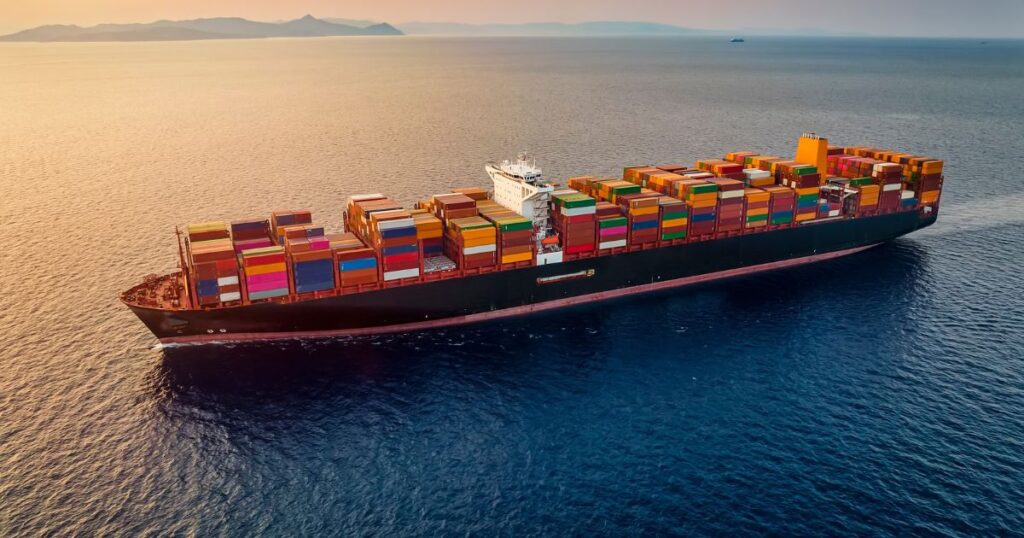
The busiest China–Japan routes connect Shanghai, Shenzhen, Ningbo, and Qingdao to Tokyo, Osaka, Kobe, and Yokohama. Major carriers such as COSCO, ONE, Evergreen, and HMM provide weekly consolidation services, ensuring consistent departures.
Moreover, Japan’s advanced port infrastructure reduces congestion, meaning LCL shipments are generally processed efficiently compared to other destinations.
8. What Are the Pros and Cons of LCL Shipping?
| Factor | Pros | Cons |
|---|---|---|
| Cost Efficiency | Pay only for space used, no need to book full container | Higher per-CBM rates compared to FCL |
| Flexibility | Suitable for small or irregular shipments | Risk of delays if co-loaders’ cargo faces customs issues |
| Frequency | Regular weekly consolidations from major Chinese ports | Requires additional consolidation/deconsolidation handling |
| Customs Clearance | Lower upfront costs for SMEs | Strict Japanese customs demand precise documentation |
9. How Do Customs Duties and Taxes Work in Japan?
Japan applies import duties based on HS codes and product categories. VAT (known as Consumption Tax) is levied at 10% on CIF value + duty. Importers should consult the official Japanese tariff schedule for accurate cost calculations.
Additionally, trade agreements such as the Regional Comprehensive Economic Partnership (RCEP) may reduce or eliminate certain tariffs for Chinese goods imported into Japan.
10. Should You Use a Freight Forwarder for LCL Shipping?
Freight forwarders streamline the entire process by handling booking, consolidation, customs paperwork, and delivery. For businesses without a dedicated logistics team, this service is crucial.
Key benefits include:
- Simplified documentation
- Lower risks of delays or penalties
- Access to contract shipping rates
- End-to-end supply chain visibility
Conclusion
LCL shipping China to Japan offers a cost-effective, flexible, and reliable solution for small and medium-sized businesses. With transit times of just 4–7 days, comprehensive customs procedures, and competitive costs per CBM, it remains one of the most practical choices for importers. By preparing accurate documentation, choosing the right freight forwarder, and planning around peak seasons, businesses can optimize their supply chain while minimizing risks.
FAQ
Q1: What is the minimum shipment size for LCL shipping China to Japan?
The minimum is usually 1 CBM. Even if your cargo is less, forwarders charge based on this minimum space allocation.
Q2: Do LCL shipments face higher risk of damage?
Yes, since containers are shared with other cargo. Proper packaging, pallets, and protective materials reduce potential damage during transit and handling.
Q3: Can I track my LCL shipment from China to Japan?
Most freight forwarders and carriers provide online tracking systems with container and bill of lading numbers, offering visibility throughout the supply chain.
Q4: How do peak seasons affect LCL shipping rates?
During Chinese export peak seasons, rates often rise by 20–30%. Booking in advance helps secure space and avoid additional surcharges.
Q5: What happens if other shippers’ documents cause customs delays?
In LCL, all shipments share a container. If one faces customs inspection, the entire container may be delayed until clearance is completed.