

- By ayla tj
- October 22, 2025
- Logistics Guide
For beauty brands, importers, and distributors, cosmetics sea freight China to USA is the backbone of supply chain efficiency. Given the high demand for skincare, makeup, and personal care products, shipping by sea allows businesses to reduce costs, handle bulk volumes, and maintain steady inventory. However, strict U.S. FDA regulations, customs documentation, and long transit times pose challenges. This guide provides practical insights on costs, transit times, customs clearance, and the best strategies for shipping cosmetics by sea.

1. Why Choose Sea Freight for Cosmetics from China to the USA?
Shipping cosmetics requires balancing cost, volume, and regulatory compliance. Sea freight is the most economical method for bulk shipments compared to air freight, which becomes too costly for heavy or large-volume beauty products. Moreover, sea freight offers FCL (Full Container Load) and LCL (Less than Container Load) options to suit both large and small importers.
2. How Much Does Cosmetics Sea Freight from China to the USA Cost?
| Shipment Type | Cost Range (USD) | Notes |
|---|---|---|
| 20ft Container (FCL) | $3,500 – $5,500 | Ideal for mid-size cosmetic importers |
| 40ft Container (FCL) | $6,000 – $9,000 | Best for large-volume shipments |
| LCL (per CBM) | $150 – $250 | Flexible for smaller loads, minimum charge applies |
| Destination Charges | $500 – $1,200 | Handling, port, and documentation fees in U.S. ports |
Tip: Rates vary depending on fuel surcharges, shipping lines, and peak seasons like Black Friday and Christmas.
3. How Long Does Cosmetics Sea Freight Take from China to the USA?
| China Port of Origin | U.S. Destination Port | Estimated Transit Time (Days) |
|---|---|---|
| Shanghai | Los Angeles | 18 – 22 |
| Shenzhen (Yantian) | Long Beach | 19 – 23 |
| Ningbo | New York / Newark | 28 – 32 |
| Qingdao | Houston | 26 – 30 |
| Guangzhou | Miami | 29 – 33 |
Transit times exclude customs clearance and inland trucking, which can add 5–7 days depending on documentation and port congestion.
What are you waiting for?
Contact chinatopfreight for a fast, free quote.
Are you ready to book?
Access live instant freight quotes
4. What Documents Are Required for Shipping Cosmetics to the USA?
| Document Type | Purpose |
|---|---|
| Commercial Invoice | Declares cargo value and transaction details |
| Packing List | Provides details of product packaging and dimensions |
| Bill of Lading (B/L) | Acts as contract and receipt of shipment |
| FDA Registration | Mandatory for cosmetic facilities exporting to the USA |
| Cosmetic Product Listing | Ensures FDA compliance for imported cosmetics |
| Certificate of Origin | Confirms manufacturing country for tariff purposes |
| MSDS (if required) | For cosmetics with chemical/flammable components |
5. How Do U.S. Regulations Affect Cosmetic Imports?
Unlike other goods, cosmetics fall under the U.S. FDA’s jurisdiction. Importers must ensure:
- Products are not adulterated or misbranded.
- Labels comply with FDA ingredient and allergen disclosure requirements.
- All manufacturing facilities are registered with the FDA.
Failure to comply may result in detention, rejection, or destruction of shipments at U.S. ports.
6. What Are the Options: FCL vs LCL for Cosmetics?
| Factor | FCL (Full Container) | LCL (Less than Container) |
|---|---|---|
| Cost per Unit | Lower for large shipments | Higher per CBM, but affordable for small loads |
| Transit Speed | Faster, fewer handling steps | Slightly longer due to consolidation/deconsolidation |
| Cargo Safety | More secure, less chance of contamination | Shared container increases handling risks |
| Best For | Large importers, bulk orders | Small/medium businesses, test shipments |
7. Why Not Air Freight for Cosmetics?
| Mode | Average Cost | Transit Time | Pros | Cons |
|---|---|---|---|---|
| Sea Freight | $150 – $250 per CBM | 18 – 33 days | Cheapest for bulk, large capacity | Slower, customs paperwork required |
| Air Freight | $4 – $8 per kg | 3 – 7 days | Fast, reliable, secure | Very costly for heavy/bulk cosmetics |
| Express Courier | $6 – $12 per kg | 2 – 5 days | Door-to-door, trackable | Limited cargo size, expensive |
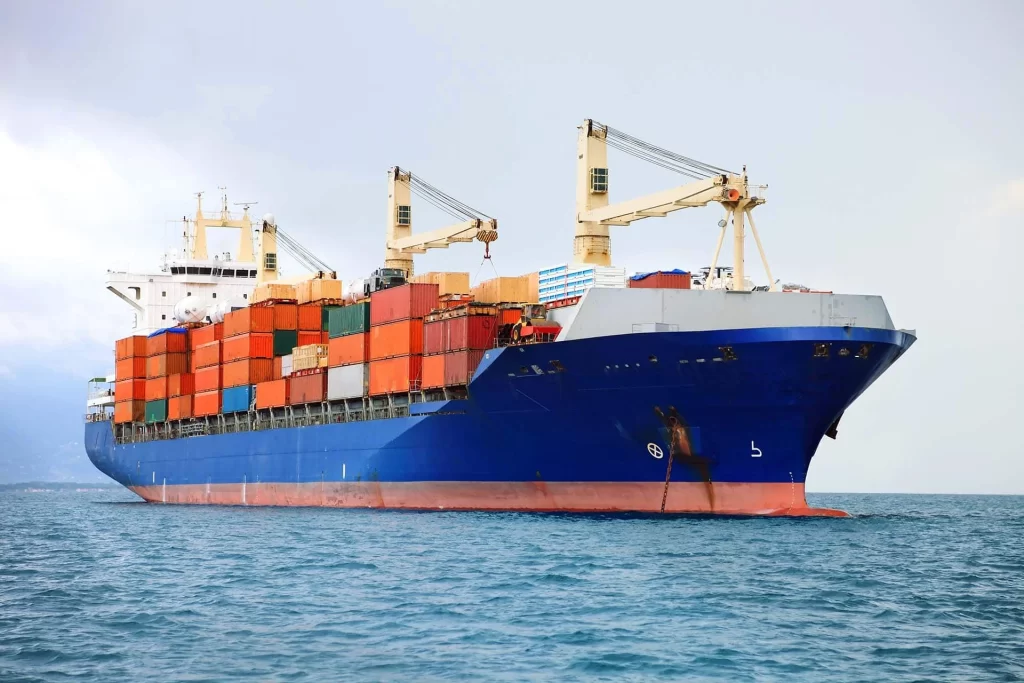
Sea freight is the clear winner for high-volume cosmetics shipments, though urgent deliveries may justify air freight or courier services.
8. Which U.S. Ports Are Best for Cosmetic Imports?
- Los Angeles & Long Beach – Key entry points for West Coast distribution.
- New York / Newark – Best for East Coast supply chains.
- Houston – Serves southern states, efficient customs processing.
- Miami – Popular for distribution into Florida and Latin America.
Choosing the right port reduces inland trucking costs and improves supply chain efficiency.
9. What Are the Pros and Cons of Cosmetics Sea Freight?
| Pros | Cons |
|---|---|
| Cost-effective for large shipments | Longer transit times compared to air freight |
| Suitable for bulk and heavy goods | Requires advance planning due to longer delivery schedule |
| Flexible options: FCL and LCL available | Risk of delays at U.S. ports during peak seasons |
| Environmentally friendly compared to air freight | Strict FDA compliance increases complexity |
10. How Can Importers Avoid Delays in Cosmetics Sea Freight?
- Prepare FDA registration and product listings in advance.
- Use clear labeling and proper HS code classification.
- Work with freight forwarders experienced in cosmetic logistics.
- Book shipments early during peak shipping months.
Conclusion
Cosmetics sea freight China to USA is the most cost-effective and scalable shipping method for beauty brands and distributors. While transit times are longer, the ability to ship in bulk at reduced costs makes it the preferred choice over air freight. By ensuring FDA compliance, preparing accurate documents, and partnering with experienced freight forwarders, businesses can streamline the process and avoid delays. With proper planning, sea freight keeps supply chains steady and profitable for the competitive U.S. cosmetics market.
FAQ
Q1: Do cosmetics require FDA approval before shipping from China to the USA?
No pre-approval is required, but manufacturers must register with the FDA and meet labeling requirements to avoid clearance delays.
Q2: Can I ship cosmetics via LCL if I don’t fill a container?
Yes, LCL is suitable for smaller volumes. However, it may take longer due to cargo consolidation and extra handling at U.S. ports.
Q3: Are there restricted cosmetic ingredients for U.S. imports?
Yes, the FDA bans certain ingredients like chloroform and mercury compounds. Importers must review ingredient lists to avoid regulatory issues.
Q4: How can I lower shipping costs for cosmetics by sea?
Consolidate shipments, choose ports close to your market, and work with forwarders who have carrier contracts for discounted rates.
Q5: What packaging requirements apply to sea freight cosmetics?
Products should be sealed, labeled correctly, and packed in moisture-resistant cartons. Palletization and shrink wrap help reduce risk of damage.