

- By kelly
- October 22, 2025
- Logistics Guide
Clothing Shipping China to USA: Complete Guide to Costs, Transit & Customs
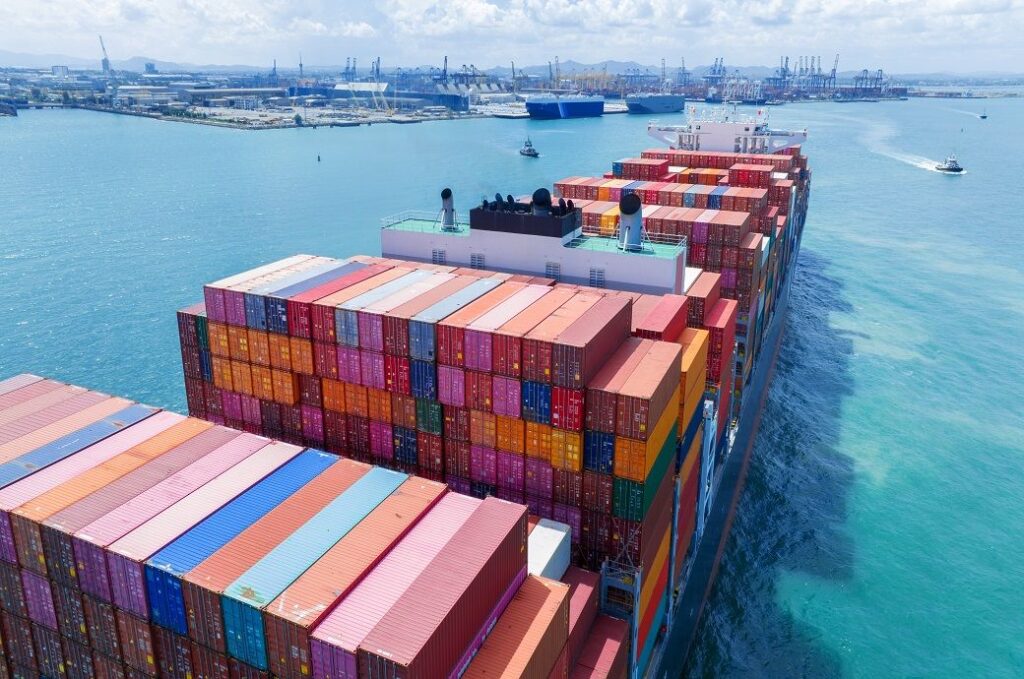
Global retailers, e-commerce sellers, and fashion brands rely heavily on clothing shipping China to USA to meet growing consumer demand. China remains the world’s largest clothing exporter, supplying everything from fast fashion to luxury apparel. However, importers often face challenges such as fluctuating shipping costs, customs delays, and long delivery schedules. This guide explains everything you need to know—shipping options, costs, customs documents, and strategies for faster and more cost-effective clothing imports from China to the U.S.
1. What Is Clothing Shipping from China to the USA?
Clothing shipping refers to the transportation of apparel products—such as T-shirts, jeans, footwear, and accessories—from Chinese manufacturers to U.S. retailers and distributors.
Because clothing is high-volume but lightweight, importers often face dimensional weight charges in air freight and large-volume handling in sea freight. Choosing the right mode of transport is therefore critical to cost and efficiency.
2. How Long Does Clothing Shipping China to USA Take?
Transit time varies by method and destination port/airport.
| Shipping Method | Transit Time | Best For |
|---|---|---|
| Air Freight | 5–9 days | Urgent or seasonal apparel |
| Sea Freight (FCL) | 25–35 days | Large orders, cost efficiency |
| Sea Freight (LCL) | 28–40 days | Smaller volumes |
| Express Courier | 3–6 days | Samples, e-commerce orders |
| Rail-Sea Multimodal | 20–28 days | Balanced solution |
Therefore, urgent shipments typically go by air, while mass clothing imports use sea freight.
3. How Much Does Clothing Shipping from China to USA Cost?
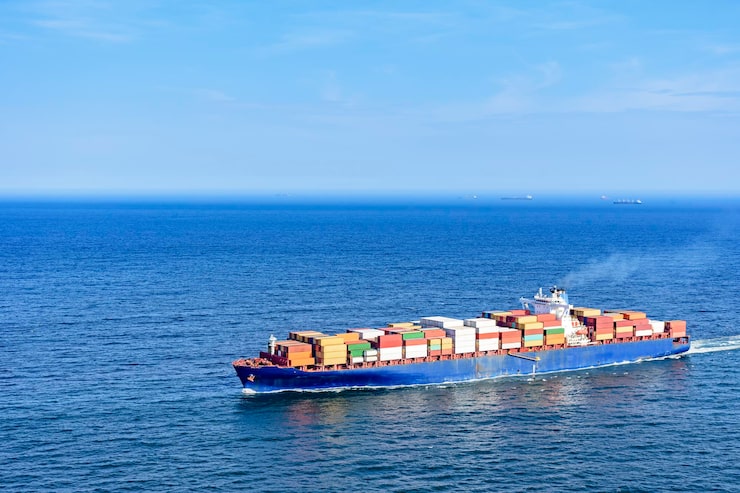
Clothing freight costs depend on volume, weight, and shipping mode.
| Shipping Method | Approximate Cost | Pros | Cons |
|---|---|---|---|
| Air Freight | $5–$9/kg | Fast and reliable | Expensive for bulk |
| Sea Freight (20ft FCL) | $2,000–$3,200 | Cheapest per unit | Slower |
| Sea Freight (LCL) | $120–$160/CBM | Flexible for SMEs | Handling delays |
| Express Courier | $7–$12/kg | Door-to-door service | High cost per kg |
Additionally, import duties, fuel surcharges, and port handling fees can impact total costs.
4. Should You Use FCL or LCL for Clothing Imports?
- FCL (Full Container Load): Best for large clothing retailers and wholesalers. Ensures faster handling and lower per-unit costs.
- LCL (Less than Container Load): Useful for smaller businesses or startups sharing container space.
Therefore, FCL is more cost-efficient for volume, while LCL allows flexibility.
5. What Customs Documents Are Required for Clothing Shipping?
To avoid clearance delays, importers must prepare accurate documents.
| Document | Purpose |
|---|---|
| Commercial Invoice | Declares clothing type and value |
| Packing List | Provides cargo details |
| Bill of Lading / Air Waybill | Proof of transport |
| Certificate of Origin | Required for U.S. customs |
| Importer Security Filing (ISF) | Mandatory for sea freight |
| Customs Bond | Required for shipments above $2,500 |
Additionally, clothing imports must comply with U.S. labeling laws (fiber content, country of origin, care instructions).
6. How Does Air Freight Compare with Sea Freight for Clothing?
| Factor | Air Freight | Sea Freight |
|---|---|---|
| Transit Time | 5–9 days | 25–35 days |
| Cost | High | Low per unit |
| Cargo Size | Limited | Large, bulk cargo |
| Best For | Urgent, seasonal apparel | Mass market clothing imports |
Thus, while sea freight is dominant, air freight supports time-sensitive fashion cycles.
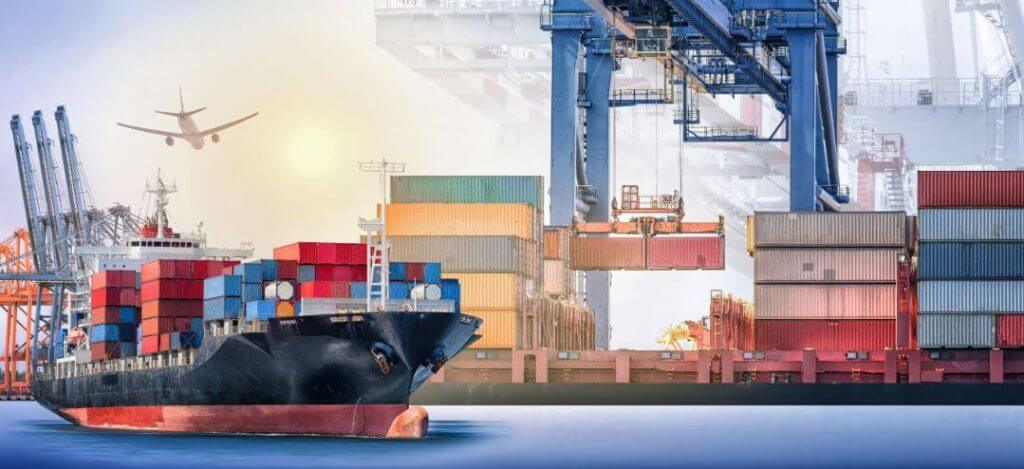
7. Which Chinese Ports and U.S. Ports Are Key for Clothing Shipping?
Major Chinese Export Ports: Shanghai, Ningbo, Shenzhen, Guangzhou, Qingdao.
U.S. Import Ports: Los Angeles, Long Beach, New York, Savannah, Houston.
Air Hubs: Shanghai Pudong, Shenzhen Bao’an, Beijing; U.S. airports: LAX, JFK, Chicago O’Hare.
Strategic choice of entry points reduces inland trucking costs and delivery time.
8. What Are U.S. Import Duties for Clothing from China?
Clothing imports face some of the highest tariffs in U.S. trade.
- Duties: Range from 5% to 32% depending on HS Code and fabric type.
- Customs Bond: Required for goods over $2,500.
- Section 301 Tariffs: Additional duties may apply on Chinese textiles.
Therefore, accurate product classification is crucial for correct duty payment.
9. How to Package Clothing for Safe International Freight?
Proper packaging reduces risks of damage, theft, or mold:
- Use cartons lined with moisture-proof materials.
- Pack clothing in polybags before boxing.
- Palletize cartons for easier handling.
- Label cartons with SKU, sizes, and barcodes.
- Ensure compliance with ISPM-15 rules for wooden pallets.
Moreover, well-packed shipments minimize insurance claims.
10. How Can You Reduce Clothing Shipping Costs from China to USA?
- Book freight early to avoid peak season surcharges.
- Choose FCL when order volume justifies it.
- Optimize packaging to lower dimensional weight.
- Negotiate with multiple forwarders for better rates.
- Consider multimodal shipping for balance of cost and time.
Additionally, consolidating shipments helps SMEs achieve economies of scale.
11. What Are the Risks of Clothing Shipping from China?
- Customs inspections causing delays.
- Seasonal surcharges around holidays.
- Damaged or wet cargo due to poor packaging.
- Port congestion slowing down deliveries.
- Tariff fluctuations raising import costs.
However, experienced freight partners can mitigate most of these risks.
📦Get a Free Quote
If you need professional help with clothing shipping China to USA, our logistics team can manage customs, negotiate carrier contracts, and provide door-to-door delivery solutions. Contact us today for a free quote tailored to your apparel business.
❓ Frequently Asked Questions
1. What is the cheapest way to ship clothing from China to USA?
Sea freight FCL is the most cost-effective for large shipments, offering the lowest per-unit shipping costs.
2. How long does it take to ship clothes from China by sea?
Sea freight typically takes 25–35 days depending on departure port and U.S. destination.
3. Can I use air freight for small clothing orders?
Yes, air freight is ideal for urgent or small-volume fashion shipments that need fast delivery.
4. Do I need a customs bond for clothing imports?
Yes, any shipment valued above $2,500 requires a customs bond in the United States.
5. What are U.S. labeling requirements for imported clothing?
All clothing must include fiber content, country of origin, and care labels to comply with U.S. law.
Conclusion
Clothing shipping China to USA is essential for global fashion and e-commerce supply chains. While sea freight offers the lowest cost per unit, air and courier services provide flexibility for urgent or seasonal apparel. By preparing proper customs documents, optimizing packaging, and working with trusted freight forwarders, importers can reduce risks and ensure timely delivery.
Ultimately, selecting the right shipping strategy helps fashion businesses remain competitive in the fast-paced U.S. market.