

- By kelly
- October 23, 2025
- Logistics Guide
Electronics Air Freight from China: Complete Shipping Guide 2025
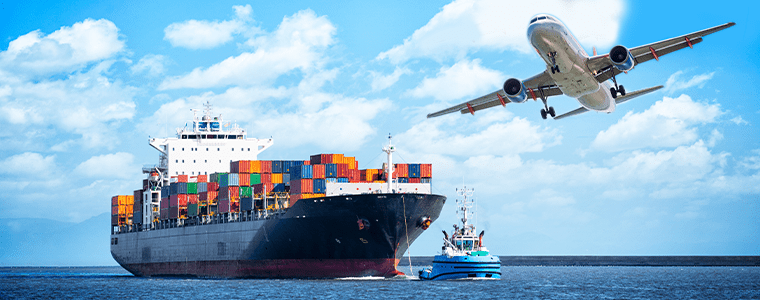
When it comes to global trade, few markets are as competitive as electronics. Businesses shipping smartphones, laptops, circuit boards, or home appliances need fast and secure delivery. This is why electronics air freight from China has become one of the most preferred shipping methods. It provides speed, safety, and reliability for high-value, time-sensitive cargo. This guide explains everything you need to know—from costs and transit times to customs paperwork and logistics strategies.
What Is Electronics Air Freight from China?
Electronics air freight refers to transporting electronic goods by air from Chinese airports to international destinations. Unlike sea freight, which can take weeks, air cargo ensures delivery in days. This method is particularly useful for:
- Consumer electronics (smartphones, tablets, laptops)
- Industrial electronics (semiconductors, circuit boards, machinery parts)
- High-value goods (medical devices, telecommunications equipment)
- Urgent shipments (replacement parts, seasonal demand items)
Why Choose Air Freight for Electronics?
Electronics are often fragile, high-value, and in demand year-round. Air freight offers several benefits:
- Speed: Transit times are typically 3–7 days, much faster than sea or rail.
- Reliability: Airlines run on strict schedules, ensuring predictable delivery.
- Security: Lower risk of theft or damage compared to long sea voyages.
- Market responsiveness: Businesses can replenish stock quickly to meet consumer demand.
How Much Does Electronics Air Freight from China Cost?
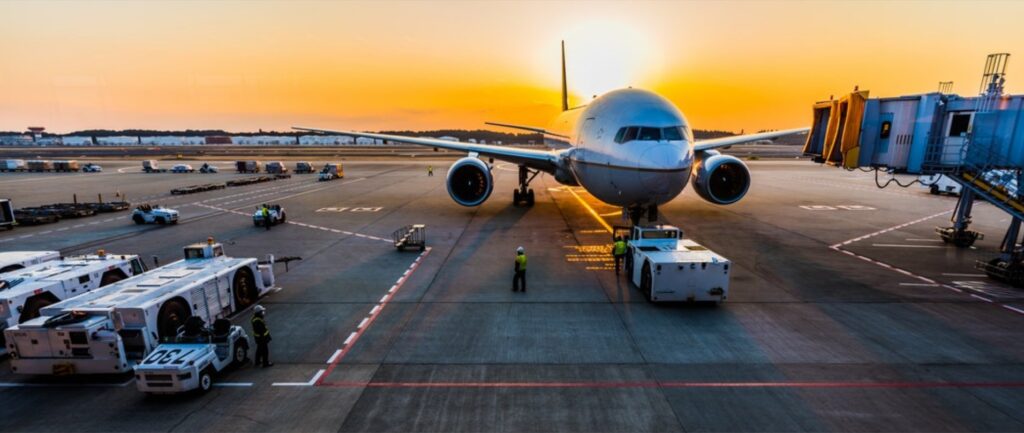
Air freight costs vary depending on cargo weight, dimensions, airline choice, and destination. Electronics often fall under chargeable weight pricing (actual vs volumetric weight).
| Destination | Transit Time | Cost per kg (USD) | Notes |
|---|---|---|---|
| USA (Los Angeles, New York) | 5–7 days | $5.50–$9.00 | Popular routes with high frequency |
| Europe (Frankfurt, London, Paris) | 4–6 days | $6.00–$9.50 | Includes customs handling |
| Middle East (Dubai) | 3–5 days | $5.00–$7.50 | Good hub for re-exports |
| Australia (Sydney, Melbourne) | 5–7 days | $6.50–$8.50 | High demand for consumer goods |
Tip: Shipping costs drop significantly when consolidating cargo or using long-term contracts with airlines.
What Documents Are Needed for Electronics Air Freight?
To avoid customs delays, exporters must prepare accurate paperwork.
| Document | Purpose | Issued By |
|---|---|---|
| Commercial Invoice | Declares value & description of goods | Exporter |
| Packing List | Identifies contents & packaging | Exporter |
| Air Waybill (AWB) | Proof of shipment & carrier contract | Airline |
| Export Customs Declaration | Required by Chinese customs | Exporter or freight forwarder |
| Importer’s EORI/Tax ID | For EU and Germany customs | Importer |
| CE Certification | Mandatory for EU electronics | Manufacturer |
| Battery Safety Certificates (MSDS, UN38.3) | For lithium-ion electronics | Manufacturer |
How Do Lithium Batteries Affect Electronics Air Freight?
Lithium-ion batteries, common in smartphones and laptops, are considered dangerous goods. Special handling applies:
- Must comply with IATA Dangerous Goods Regulations (DGR).
- Requires UN38.3 test reports and MSDS documents.
- Packaging must be fire-resistant and properly labeled.
- Airlines often impose weight and quantity restrictions.
What Are the Key Airports for Electronics Air Freight in China?
China has several major air freight hubs handling electronics:
- Shanghai Pudong International Airport (PVG) – leading cargo hub for global electronics trade.
- Shenzhen Bao’an International Airport (SZX) – near electronics manufacturing clusters in Guangdong.
- Beijing Capital International Airport (PEK) – handles high-tech and government-related shipments.
- Hong Kong International Airport (HKG) – one of the busiest cargo airports globally, ideal for international connections.

How Does Electronics Air Freight Compare with Other Modes?
| Shipping Mode | Cost | Transit Time | Best For | Limitations |
|---|---|---|---|---|
| Air Freight | High | 3–7 days | Urgent, high-value electronics | Expensive |
| Sea Freight | Low | 25–35 days | Bulk, non-urgent shipments | Long lead times |
| Rail Freight (China–Europe) | Medium | 15–20 days | Balanced cost & speed | Limited destinations |
| Express Courier (DHL, UPS, FedEx) | Highest | 2–5 days | Small parcels, B2C deliveries | Costly for large volumes |
What Customs Rules Apply in Europe and the USA?
- EU/Germany: Importers must provide an EORI number, pay import duties (usually 0–14%), and 19% VAT. CE certification is mandatory for consumer electronics.
- USA: Importers must file ISF (Importer Security Filing), pay duties (0–5% for most electronics), and comply with FCC regulations.
- Middle East & Australia: Require customs declarations and certificates of conformity, especially for wireless products.
What Factors Influence Air Freight Costs?
- Seasonality: Costs rise during peak shopping seasons (Black Friday, Christmas).
- Fuel prices: Airlines adjust rates based on fuel surcharges.
- Cargo size/weight: Bulky but light electronics may be charged by volume.
- Routes and carriers: Direct flights cost more but reduce delays.
How Long Does Customs Clearance Take?
- China: Export clearance usually takes 1–2 days if documents are correct.
- Germany/EU: Import clearance takes 1–3 days, depending on inspections.
- USA: Clearance is often same-day for compliant shipments.
Pros and Cons of Electronics Air Freight
| Pros | Cons |
|---|---|
| Fastest transit time | Higher costs |
| Lower damage/theft risk | Limited cargo volume |
| Reliable schedules | Lithium battery restrictions |
| Global reach | Seasonal price spikes |
How to Save Money on Electronics Air Freight?
- Consolidate shipments with other exporters.
- Negotiate long-term contracts with carriers.
- Use major hubs like Shanghai or Shenzhen for lower rates.
- Work with experienced freight forwarders to optimize routes.
Customs Documents Checklist for Electronics
| Step | Required Document |
|---|---|
| Export Declaration in China | ✅ |
| Commercial Invoice | ✅ |
| Packing List | ✅ |
| Air Waybill (AWB) | ✅ |
| CE Certificate (EU only) | ✅ |
| Lithium Battery Compliance Docs | ✅ |
| Import Declaration (Destination) | ✅ |
What Role Do Freight Forwarders Play?
Freight forwarders simplify the process by:
- Handling all documentation.
- Booking air cargo space with airlines.
- Consolidating shipments to reduce costs.
- Advising on customs compliance and dangerous goods regulations.
📦Get a Free Quote
Electronics supply chains are fast-moving, and delays can be costly. Working with experts ensures that your cargo arrives safely and on schedule. If you need professional support for electronics air freight from China, our logistics team can manage everything from booking to customs clearance. Contact us today for a tailored shipping plan and competitive pricing.
❓ Frequently Asked Questions
1. How much does electronics air freight from China cost on average?
Rates usually range between $5 and $9 per kg, depending on weight, volume, and destination. Peak seasons may increase prices.
2. Can I ship electronics with lithium batteries by air?
Yes, but they require UN38.3 certification, MSDS documents, and compliance with IATA Dangerous Goods Regulations. Packaging must be safe.
3. Which airports in China are best for electronics exports?
Shanghai Pudong, Shenzhen Bao’an, and Hong Kong International Airport are leading hubs for electronics air freight with global connections.
4. How fast is air freight compared to sea freight?
Air freight takes 3–7 days on average, whereas sea freight may take 25–35 days from China to major global ports.
5. Do I need CE certification for electronics shipped to Germany?
Yes, CE certification is mandatory for all consumer electronics entering the European Union to prove compliance with EU standards.
Conclusion
Shipping electronics is a time-sensitive business where reliability and speed matter most. With electronics air freight from China, companies can ensure rapid delivery, lower risk, and better supply chain efficiency. While costs are higher than sea or rail freight, the benefits often outweigh the expenses—especially for high-value, fragile, or urgent goods. By preparing documents correctly, complying with customs, and working with expert freight forwarders, exporters can streamline logistics and meet market demand without delays.